
Preparing turf in spring: waterlogging, patchy turf, and more – the five biggest problems groundspeople face
For grounds teams heading into spring, the choices you make now can set the season up for success or create issues that persist all year.
This guide outlines practical strategies to address common spring challenges – including patchiness, waterlogging, disease, uneven growth, and weeds – and promote stronger, healthier turf across greens, fields, and pathways.
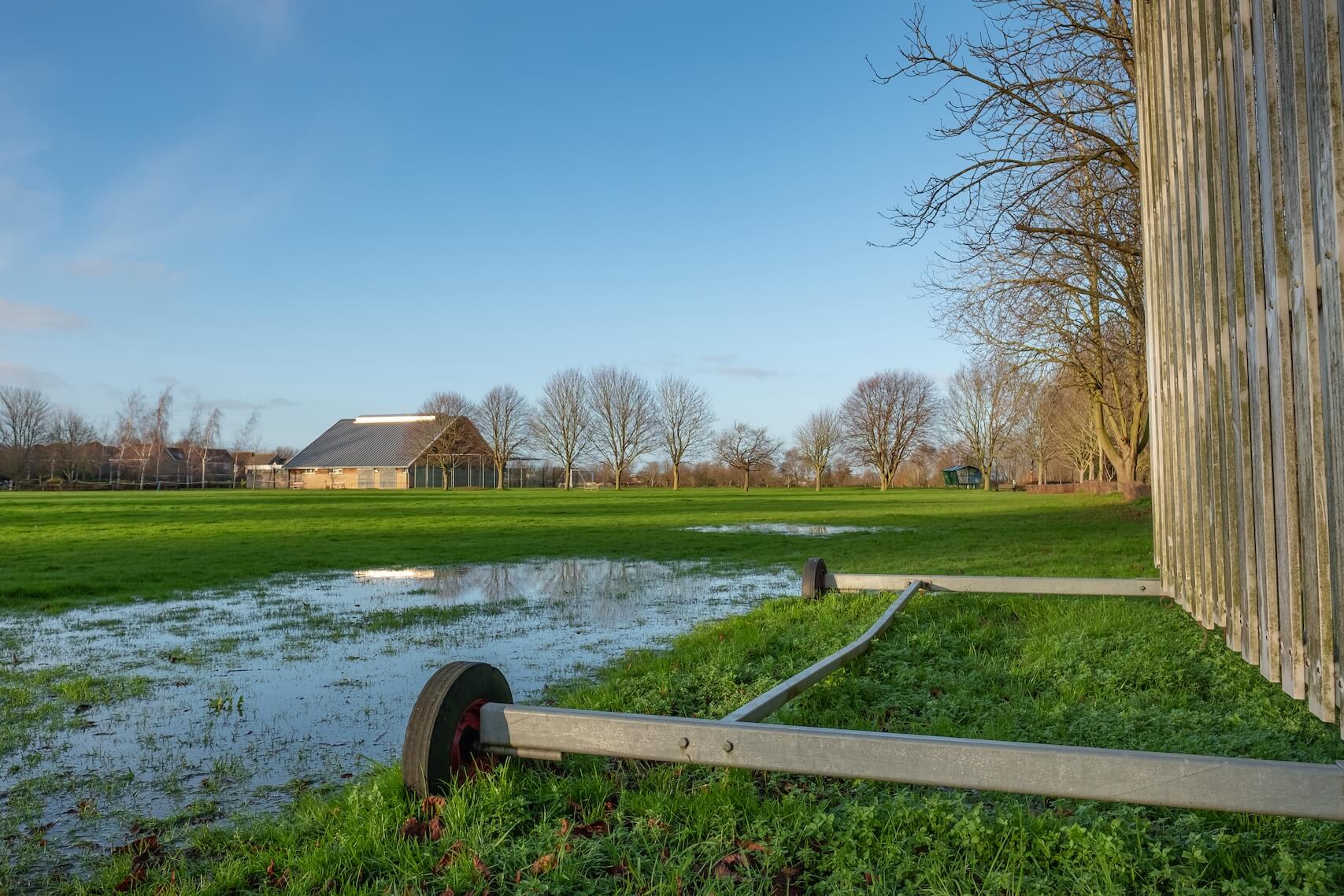
By getting early maintenance right, you not only create surfaces that visitors and park-goers can enjoy, but also make year-round turf management easier and more manageable for your team.
1. Patchy turf
Bare patches can occur in high-wear zones, shaded areas, poorly drained spots, and along walkways. In public parks and playing fields, these areas are often the first to show damage after winter, when sustained use meets weakened, slow-recovering turf. Left unaddressed, patchiness can quickly spread, reducing surface quality and increasing the risk of further wear, weeds, and uneven growth.
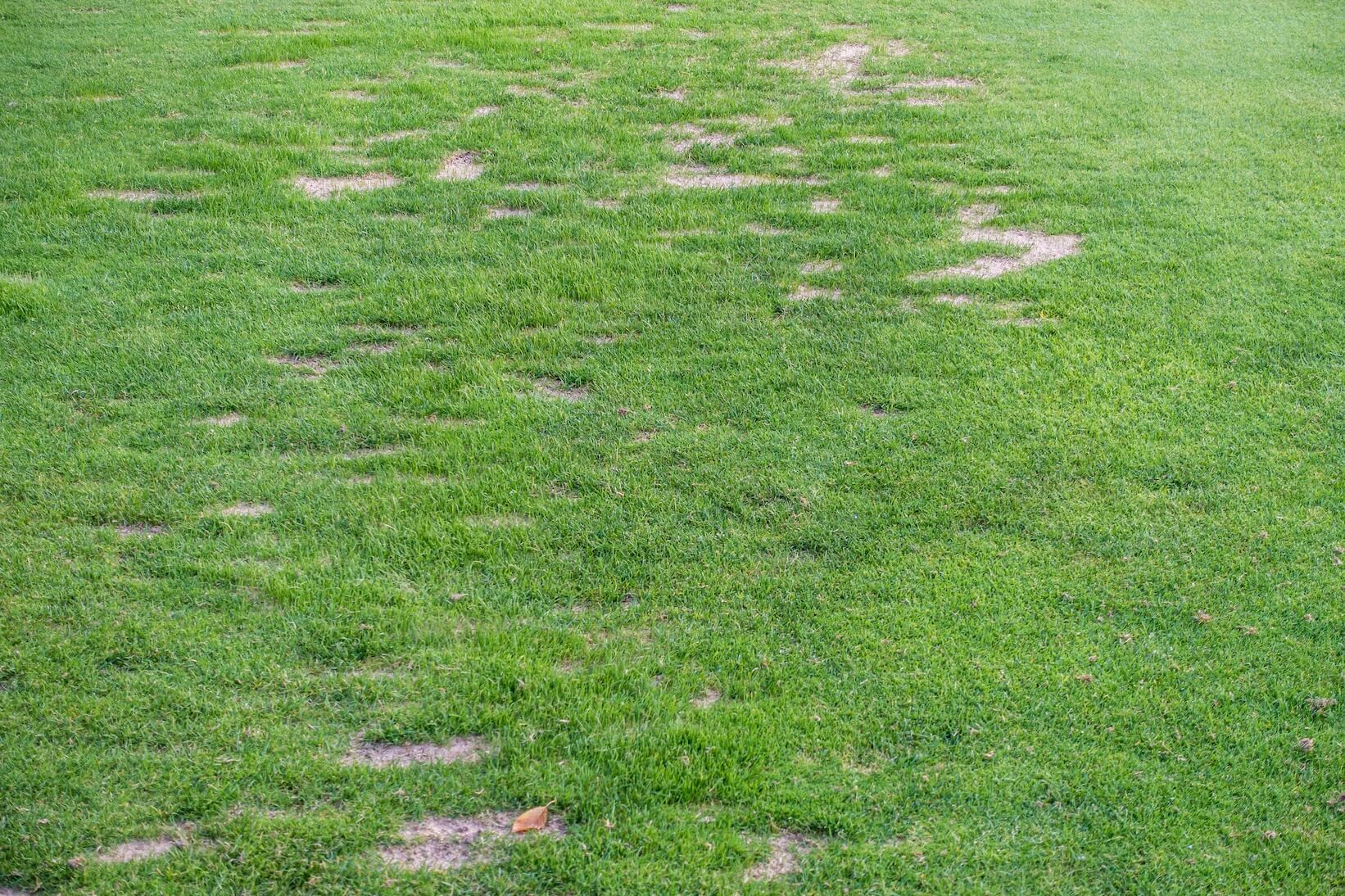
What causes patchy turf?
In parks and playing fields, patchiness at this time of year is most often the result of constant, year-round use. When grass is naturally dormant over winter, it has little or no ability to recover from wear, so continued foot traffic gradually wears the sward away until soil is exposed.
This wear is often compounded by factors such as:
- Heavy foot traffic on soft, wet ground
- Localised soil compaction
- Poor drainage
- Pre-existing wear.
How to repair patchy turf
Bare patches are most effectively repaired in spring, when rising soil temperatures support germination. Early recognition is key, followed by a measured, practical approach to repair.
- Assess before acting. First, identify what has caused the patchiness. Is it ongoing wear, poor drainage, disease, shade, or proximity to a frequently used pathway or desire line?
- Manage access where possible. In public parks and open spaces, it may be feasible to temporarily section off larger worn areas as grass growth resumes. Doing so can significantly improve recovery by reducing foot traffic during this critical period.
- Avoid aggressive renovation where the grass is still weak or the soil is saturated, as this can cause further damage and compaction.
- Use appropriate machinery and mowing heights to protect recovering turf and encourage a stronger plant structure. A slightly higher, clean, sharp cut is preferable to tearing, helping to promote healthy regrowth.
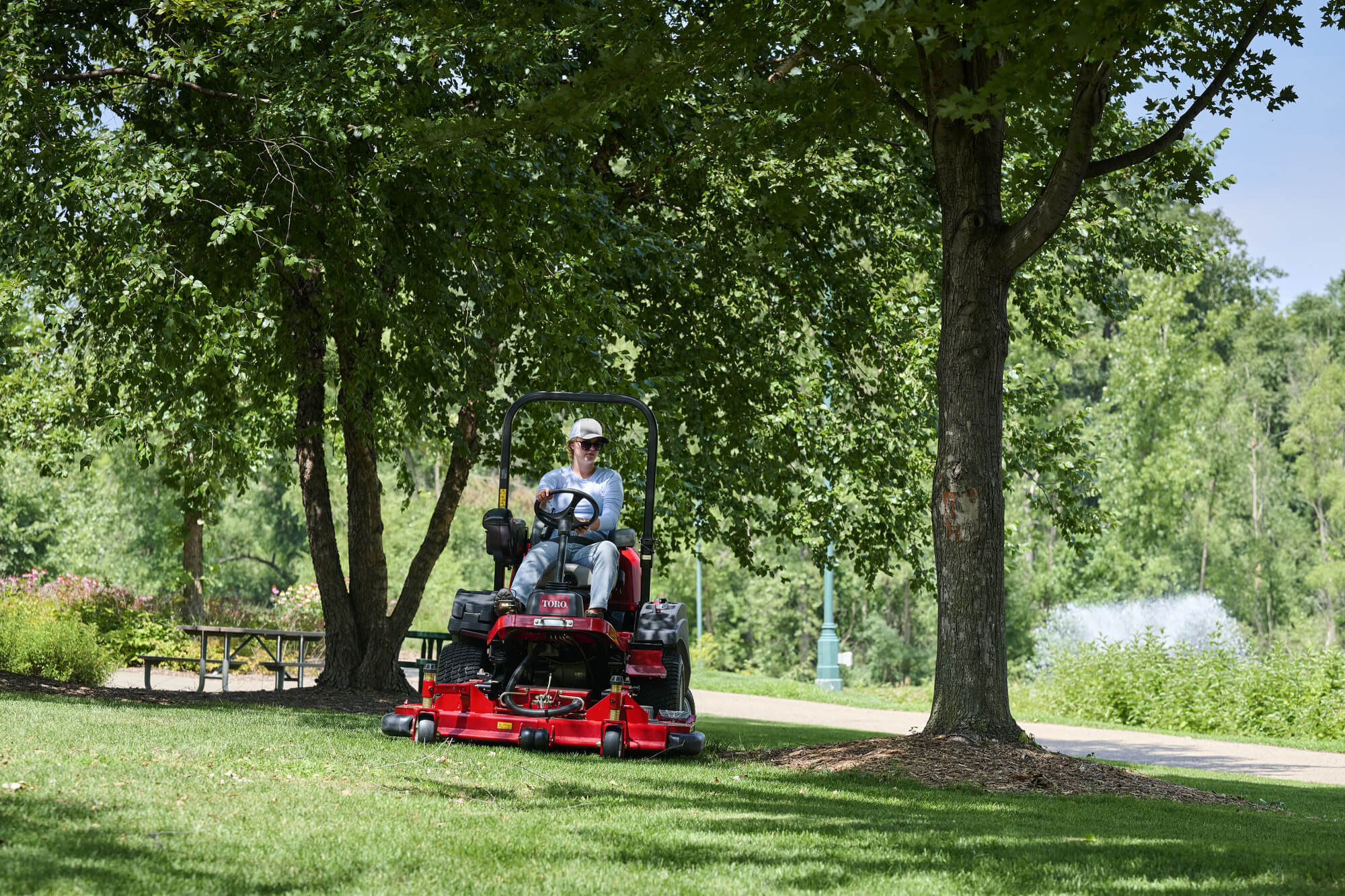
Reesink partners with Toro to provide grounds teams with robust rotary and flail mowing options capable of withstanding sustained use throughout the season – for instance, the Groundsmaster range and the Toro LT-F3000 triple flail – helping to maintain healthy swards across parks, playing fields, and open green spaces.
2. Waterlogging
Waterlogged or flooded turf is a common challenge following wet or frosty winter weather and can be difficult to resolve once established.
In recent years, weather conditions have become increasingly unpredictable, with seasons often switching between prolonged wet periods and drier spells. Large-scale climate patterns, such as El Niño events occurring thousands of miles away, can influence local weather, meaning grounds teams should be prepared for wetter winters on and off as part of the new normal.
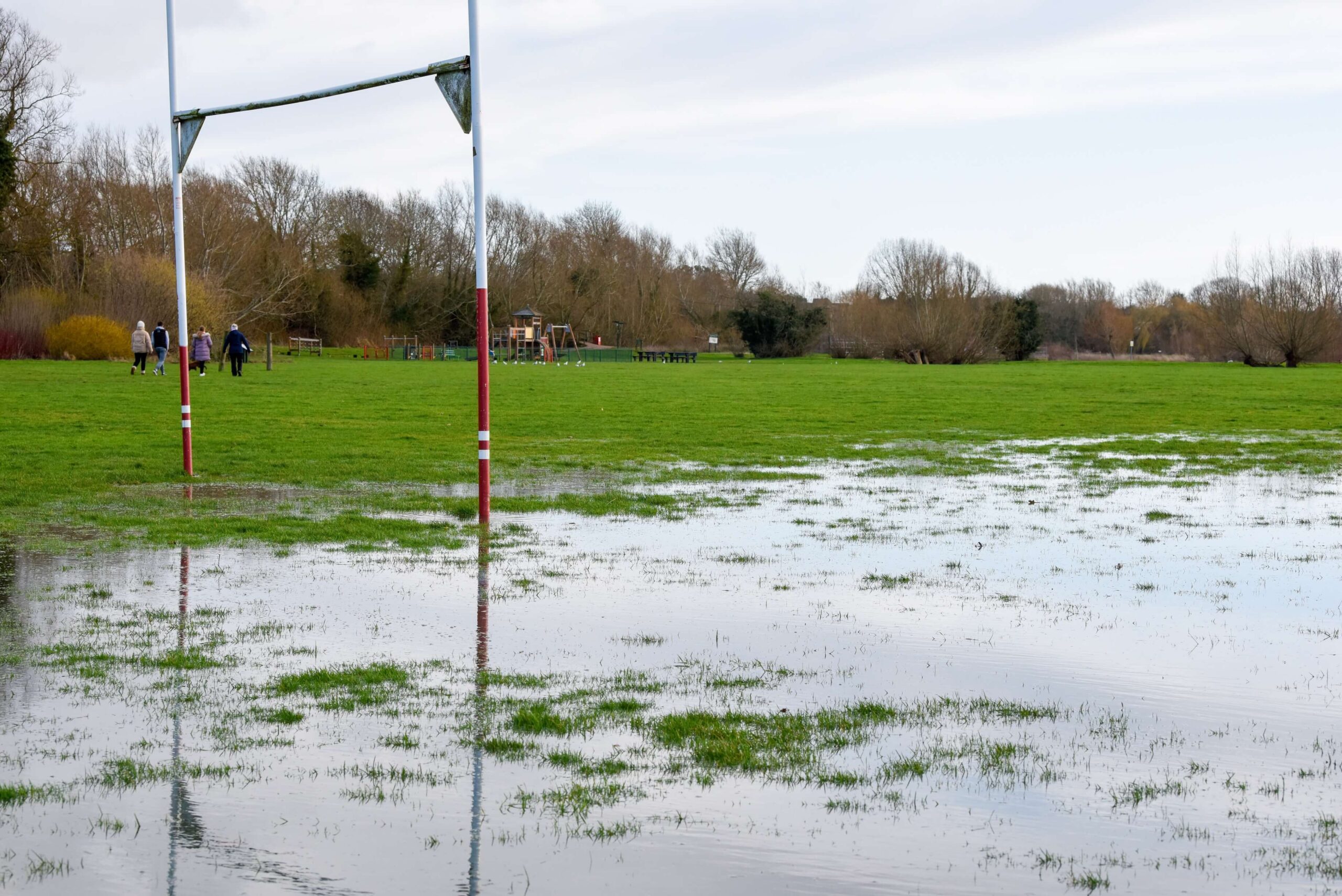
What causes waterlogged turf?
This issue is most common early in the year as a result of very wet conditions with persistent rain, low temperatures, and a compacted soil profile. It also links to other problems:
- Increased risk of turf fungal diseases due to trapped moisture
- Damage to the root system, and uneven growth
- A higher chance of weeds exploiting thin areas.
Managing waterlogged turf effectively
It’s important to focus on practical, non-chemical principles, such as avoiding heavy machinery and aggressive operations on saturated turf to reduce compaction and surface damage.
Using the right drainage and aeration tools at the right time helps to address waterlogging. Aerating compacted soil improves air, water, and nutrient penetration, while top dressing with sand can support soil structure and improve drainage over time.
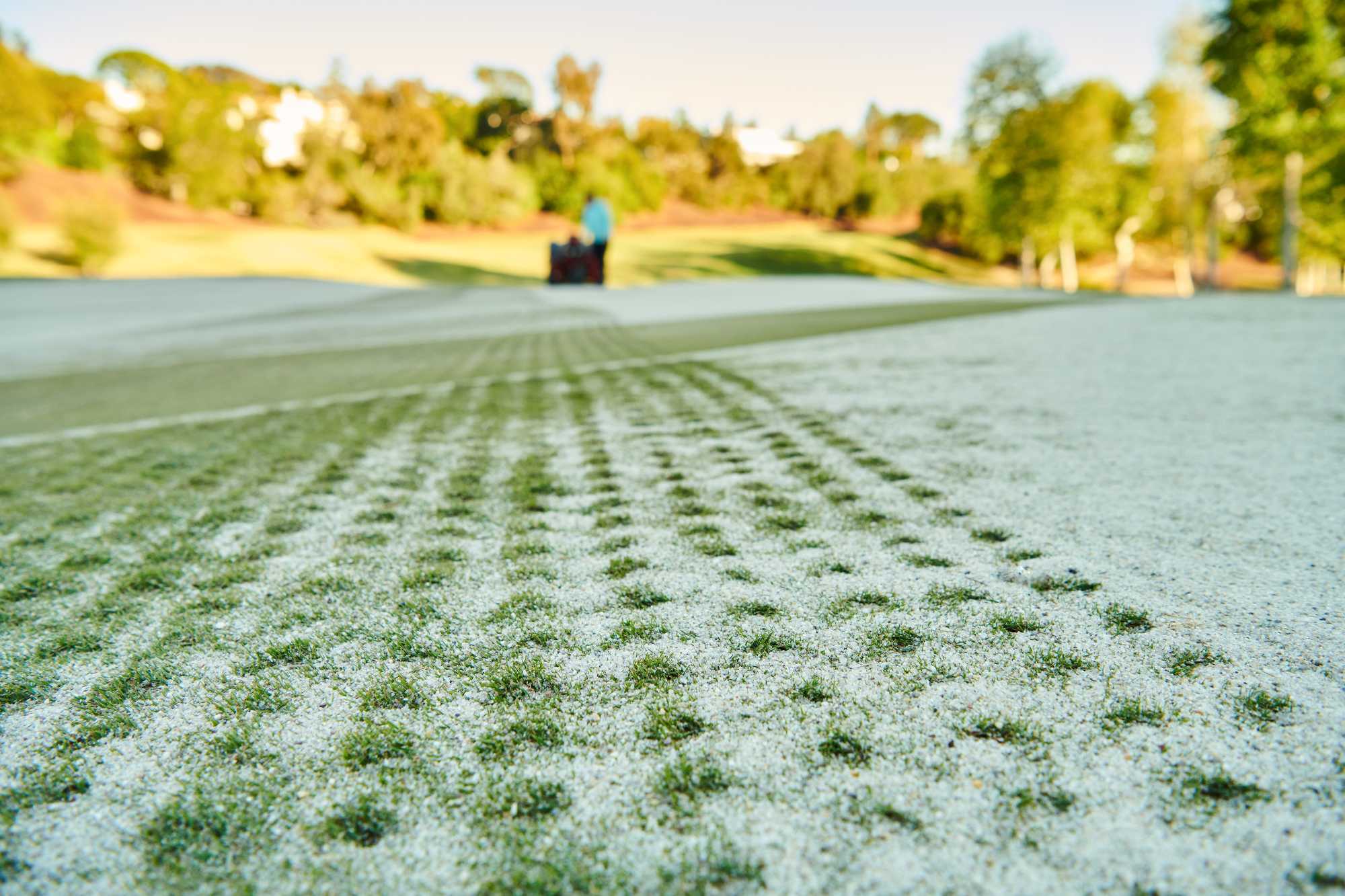
Planning drainage and aeration as part of a long-term maintenance programme helps to reduce the likelihood of recurring waterlogging issues, particularly as wetter winters become more common.
Low-impact equipment for saturated ground
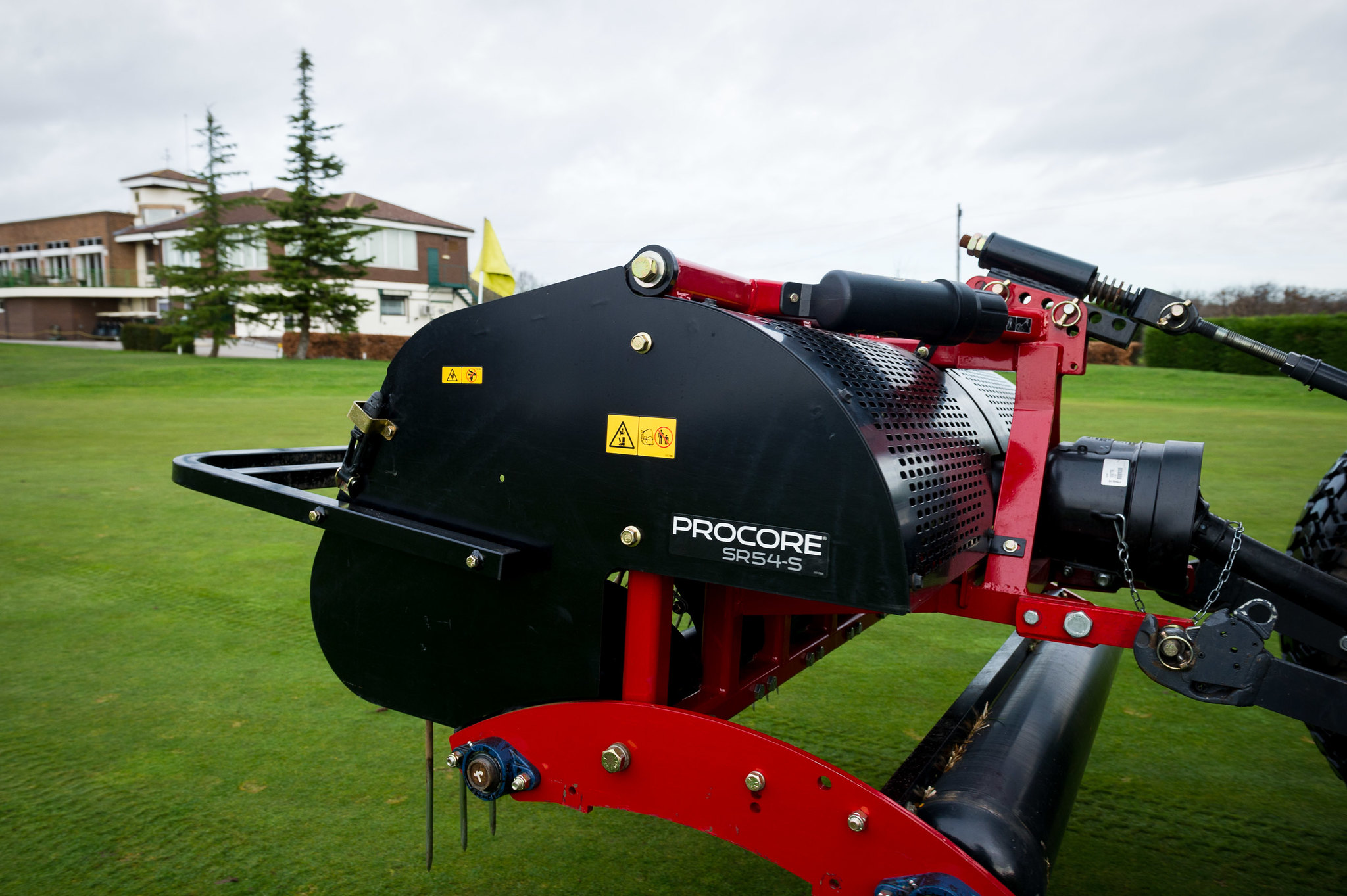
Where access is required on delicate or saturated ground, lightweight equipment plays a key role. Reesink offers effective low-impact solutions such as the Toro ProCore SR54 and the Toro ProCore SR54-S aerators, alongside practical utility vehicles like the lightweight Toro Workman LTX, coming to market this year.
This new addition to the Workman range, the Toro Workman LTX, is designed for day-to-day tasks across parks and estates, helping grounds team with transport and maintenance work without creating turf disturbance.
3. Turf diseases: Red Thread, Dollar Spot, and more
When temperatures rise but surfaces remain moist, common turf diseases can quickly appear. Grubs and pests damage roots, while fungi can cause discoloured patches on the sward.
Not everyone needs to be an experienced entomologist or agrostologist, but a little understanding of these challenges can make maintenance far easier and more effective, helping green spaces remain healthy and resilient throughout the season.
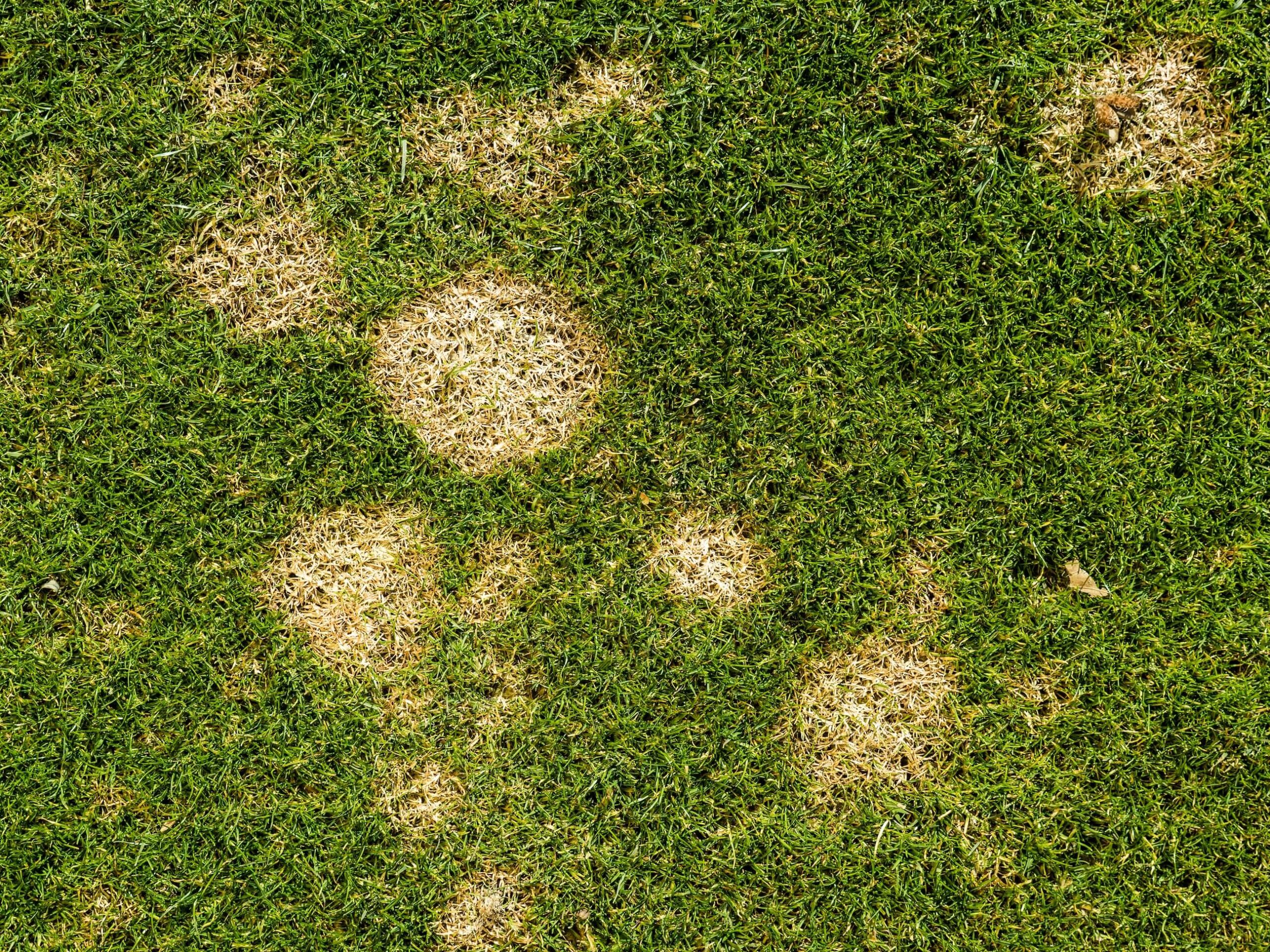
Common spring turf diseases
- Microdochium Patch: small white buds on grass leaves, followed by thin pink threads within the buds.
- Red Thread: red needles at the grass leaf tips. Often occurs in damp, shady, or poorly aerated areas.
- Dollar Spot: small bleached spots on the turf. Favoured conditions include warm days and cold nights, low nitrogen levels, and slower grass growth.
How to reduce turf stress and improve resilience
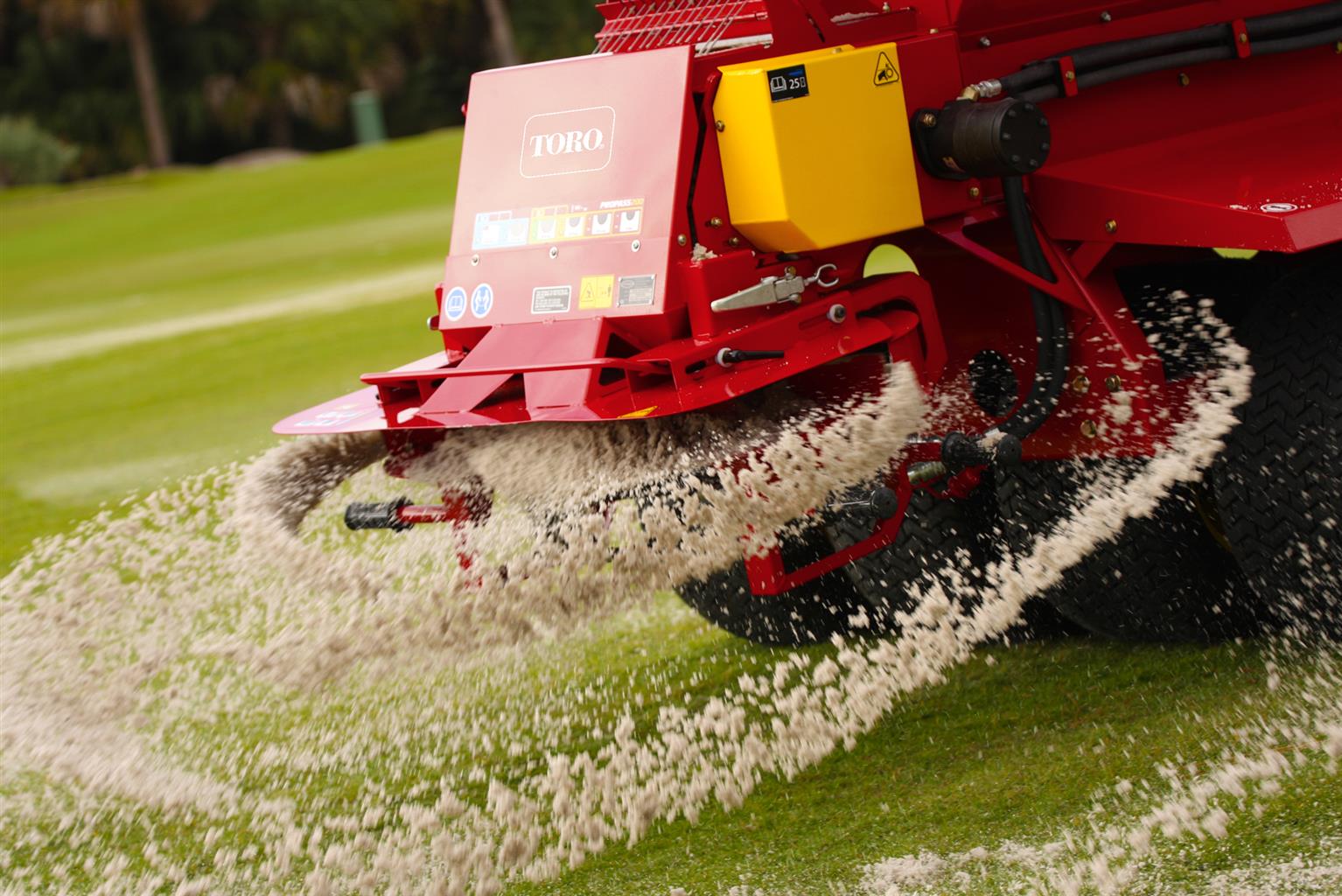
Light, regular topdressing can improve soil structure, drainage, and rootzone conditions, helping turf recover faster from winter wear and heavy foot traffic. Toro topdressers help deliver consistent, even applications, and are an important as part of an overall disease-prevention programme.
Diseases often appear in areas where turf is already stressed by waterlogging, compaction or poor cut quality. Prevention through stress reduction and consistency is key, and clean, sharp cutting is the best way to protect your turf against diseases. Avoid scalping and sudden height-of-cut changes, and carry out appropriate brushing and dew removal.
Machinery and tools for disease management
Good machinery setup and timing can play a major role in managing turf disease. For example, Toro’s topdressers allow you to apply sand or soil amendments evenly, helping to improve surface drainage and reduce conditions that favour fungal growth.
Using genuine parts for Toro blades or filters on your rotary or flail mowers ensures precision cutting and consistent performance, reducing stress on the turf and limiting disease risk. Well-maintained, correctly set equipment supports healthy swards and makes disease management far more effective over time.

4. Uneven and competing growth
Uneven growth can show up quickly in spring, when milder days trigger a flush of growth in some areas while others remain slow and thin. The result is an inconsistent sward that looks patchy, is harder to mow cleanly, and can be more vulnerable to wear and weeds as the season gets busier.
What causes uneven growth?
Differences in soil compaction and microclimate can cause uneven growth, including shade from overhanging shrubs or trees, differences in temperature, and differing exposure to frost, rainwater, wind, and moisture.
How to manage uneven growth
Focus on steady growth over time rather than forcing fast, aggressive corrections. Remove thatch and debris first. Consistent mowing frequencies and well-set machines will help to avoid scalping faster-growing patches. Make gradual adjustments to the height of cut as the turf strengthens; mowing at a higher setting encourages deeper root growth and shades out weeds.
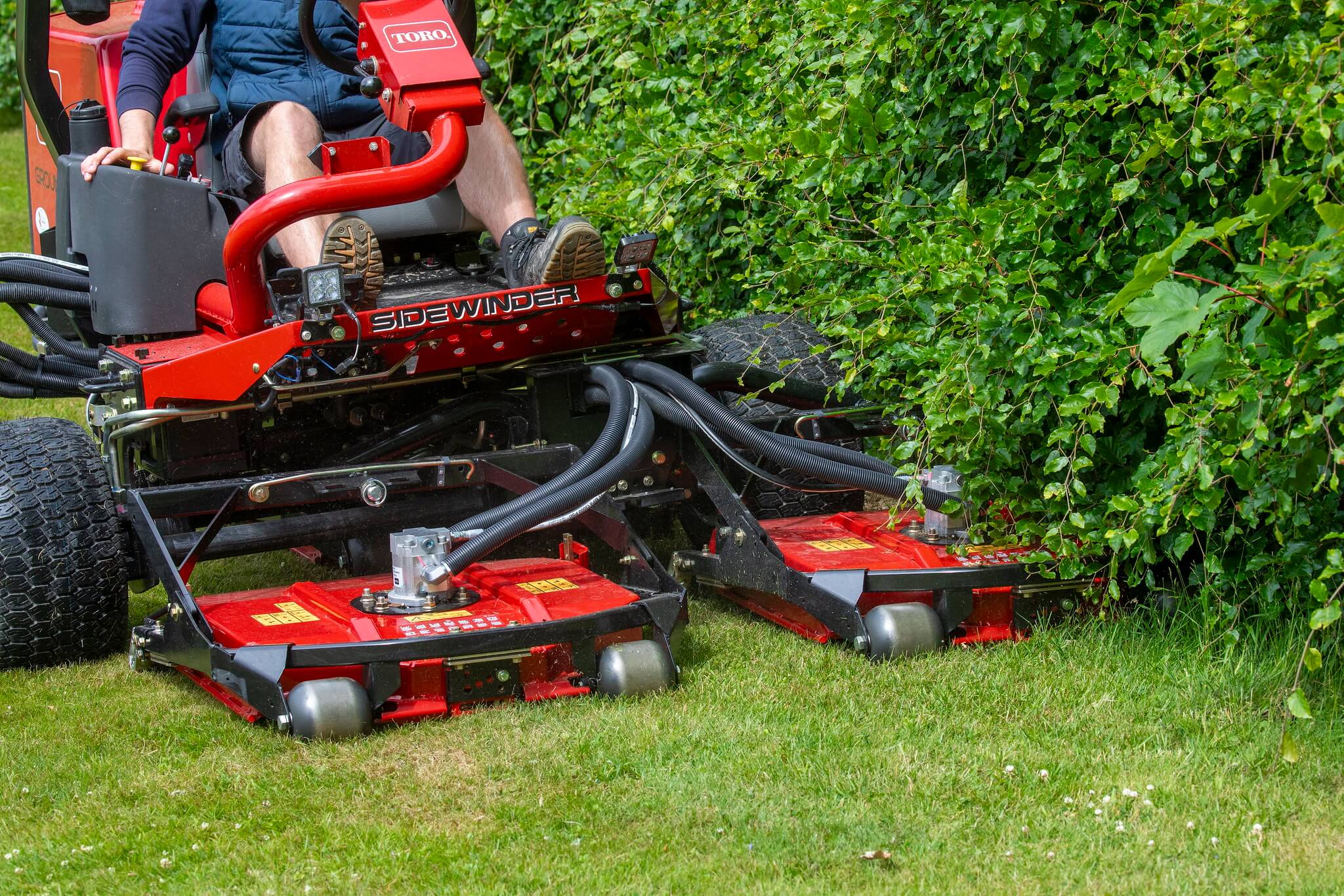
Avoid over-fertilisation, especially early in the season, as a sudden surge of soft, leafy growth can make turf more prone to disease, increase mowing pressure, and create weaker plants that struggle under foot traffic and dry spells. Apply nutrients little and often where needed, and add compost in thin areas to support soil health and more balanced growth.
5. Weed control in turf management
Weed control can be particularly challenging in spring, when rising temperatures and thinning turf give weeds the light and space they need to take hold. Manual removal is an option, but long-term success usually comes from outcompeting weeds by building a denser, healthier sward.
Key actions include removing root systems where possible, preventing seed dispersal before weeds set seed, and using non-toxic methods on paths and hard surfaces to keep surrounding areas presentable and safe without impacting the environment. Over time, reducing thatch and debris and strengthening turf through consistent maintenance will limit the opportunities unwanted weeds have to establish.
Why do weeds appear?
Weeds often follow instances of patchiness, waterlogging, disease or compaction, as light and space open up in spring. Dandelions, moss, and clover are common and can be tough to dispel.
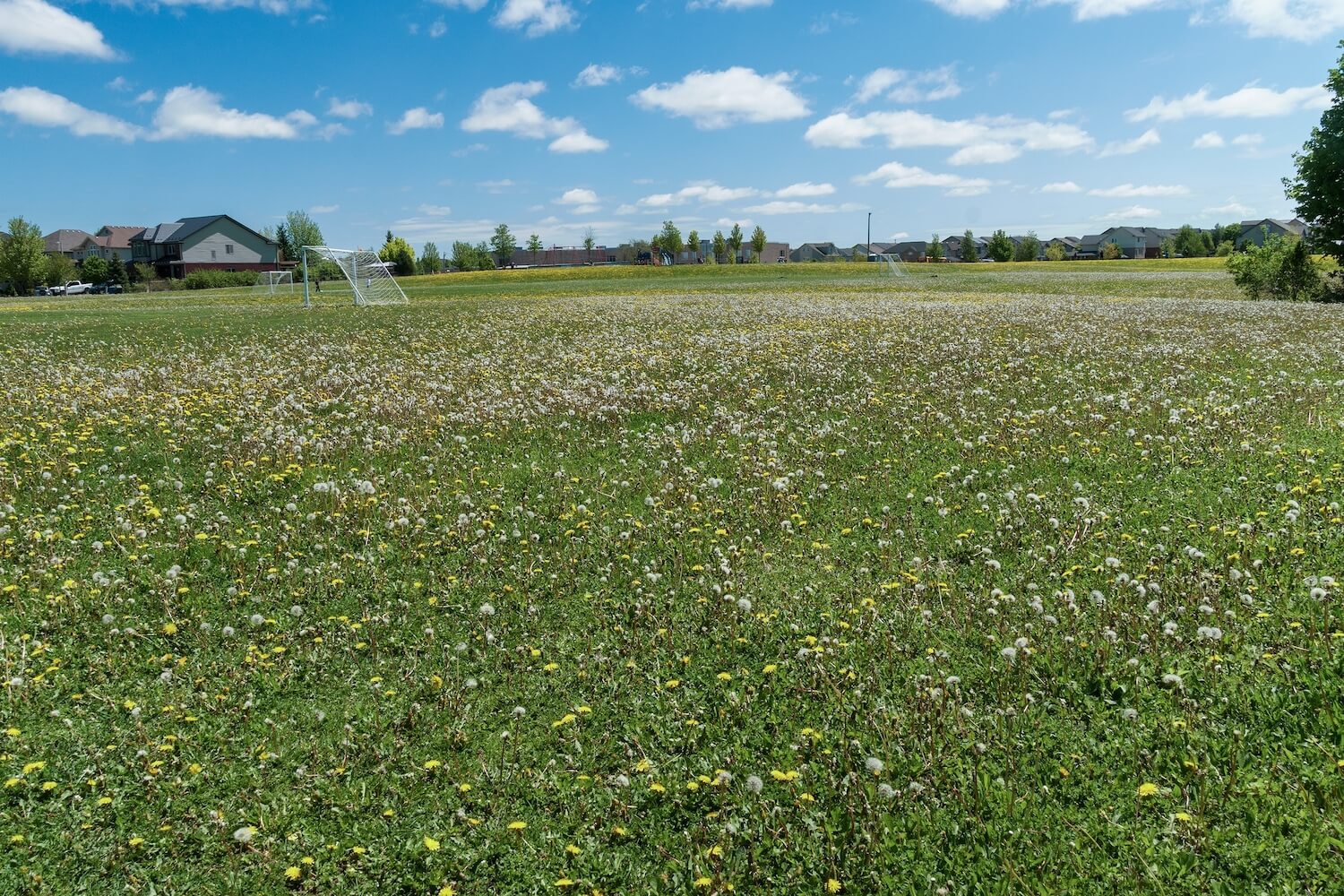
Prioritise strengthening the turf sward and addressing any underlying issues. Use weed control in turf as part of an integrated approach, not the only tool. Where treatment is required, residual weed control can provide longer-lasting results by remaining active in the soil to help prevent regrowth. However, for lasting results, focus on prevention and minimising stress so weeds have less opportunity to establish.
Tools and techniques to help control weeds
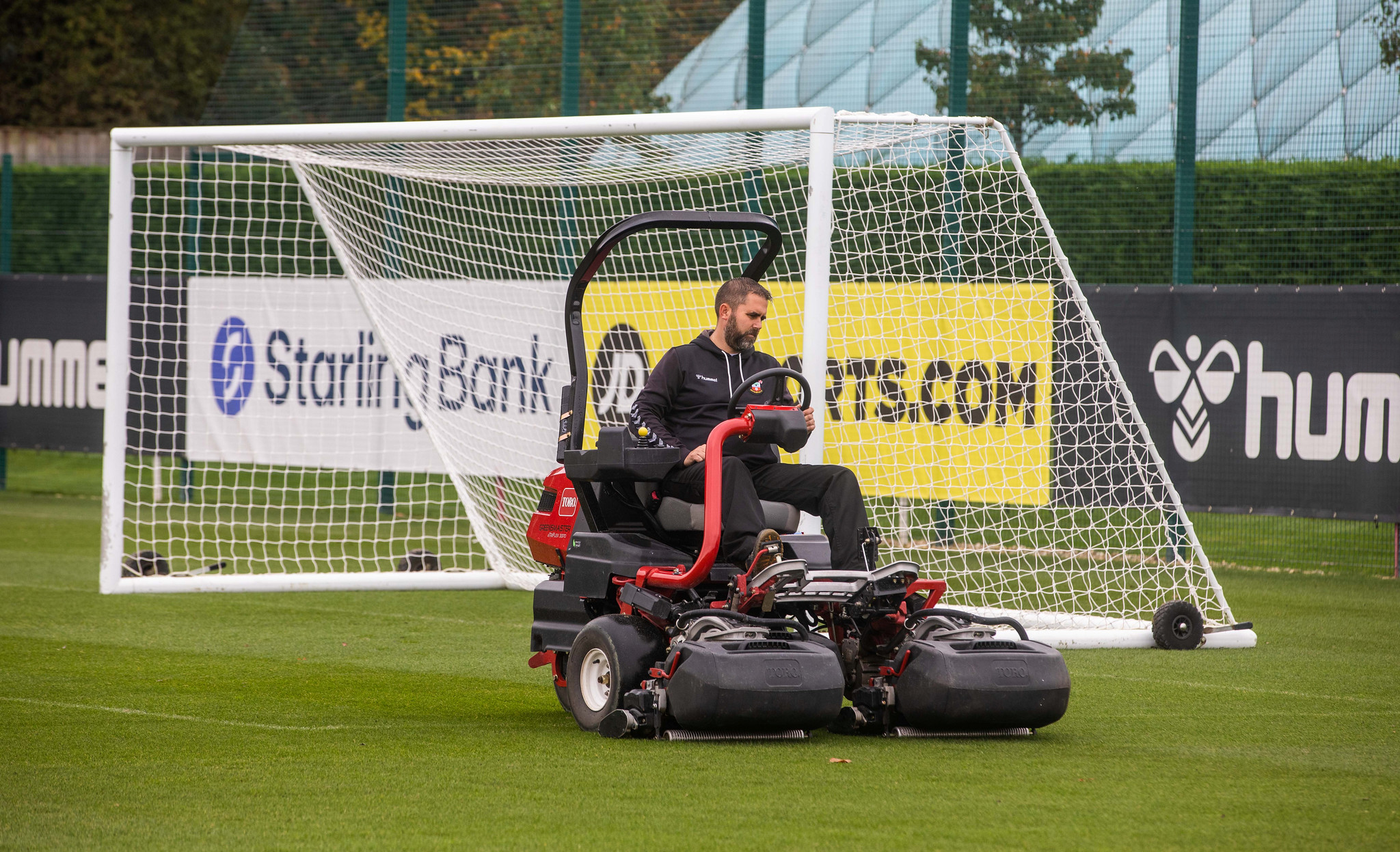
Reducing thatch is a simple way to make turf more competitive against weeds, as it improves airflow, light penetration and water movement at the surface. The TM System ThatchMaster is a durable, easy-to-install attachment that adds productivity to your existing mower, helping to remove thatch and minimise its build-up over time.
Where herbicide use is part of your programme, GeoLink-enabled spraying can support more accurate, targeted applications to the areas that need it, helping reduce waste and improve consistency.
Plan your spring with confidence
As grass comes out of dormancy in spring, grounds teams typically face the same five challenges: patchiness, waterlogging, disease, uneven growth, and controlling weeds. These problems are often linked: waterlogging encourages disease, which causes uneven growth, patchiness and thinning, and this opens up space for weeds.
Making good decisions early can have a big impact on the success and appearance of your grounds. Many of the five connected problems we’ve explored are worsened by aggressive interventions when the turf is still weak. The best outcomes stem from early recognition, stress-aware planning, and using quality tools for consistent, precise execution.
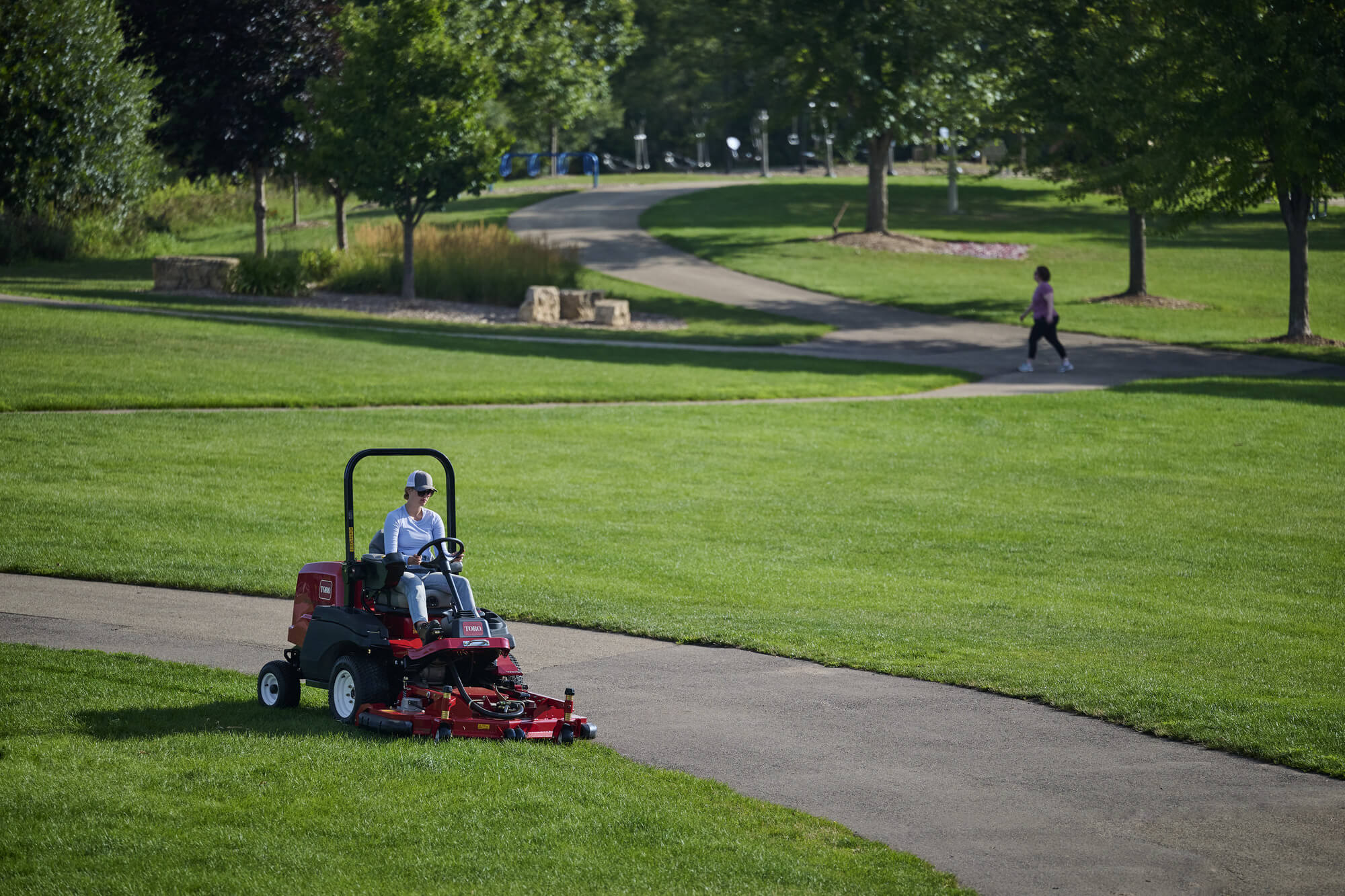
Alongside turf tasks, it’s worth making sure your equipment is spring-ready too. Our spring machinery maintenance guide covers practical checks and servicing tips to help keep machinery running reliably through the season.
Our experience in the grounds sector means we understand the pressure to present surfaces well while protecting your turf’s long-term health. For advice on machinery, set-up, or product aftercare call us on 01480 226800 to speak with one of our experts or contact us online.