Top tips for tournament-level pitch preparation: lessons from the FIFA World Cup and The Open
Every year, events such as The Open Championship and the FIFA World Cup showcase some of the finest playing surfaces in sport. Millions of viewers get to admire immaculate golf greens and fairways and flawless stadium pitches, but what they rarely see is the months and often years of planning and preparation behind them.
While realistically only a small number of venues will ever host a major tournament, the principles behind creating elite level playing surfaces are essential for every golf club, stadium and sports venue.
In this guide, we explore what goes into preparing world-class turf surfaces and what turfcare professionals from all backgrounds can learn from the world’s biggest sporting events.
What sport venues and golf courses can learn from elite turf management
Whether it’s the carefully manicured greens of The Open or the stunning pitches of the FIFA World Cup, tournament-level playing surfaces can look almost too perfect to be real.
What spectators don’t see is the planning that happens long before the first tee shot or the opening whistle of a match official. Preparation begins not weeks but months and years in advance, with grounds teams, agronomists, course managers and technicians considering everything from the selection of grass type and root health to irrigation, drainage, mowing and machine reliability throughout the season.
2026 FIFA World Cup
The 2026 FIFA World Cup provides a particularly striking example. With several host stadiums traditionally using artificial turf, preparing them for the tournament involved extensive planning around the installation and management of natural grass pitches capable of meeting the demands of the highest levels of international football.
In this case, establishing the natural turf surface was only the beginning; maintaining consistent playing conditions and pitch aesthetics game after game required a carefully planned management programme.
The Open Championship
Golf follows a similar philosophy, even though the challenges look rather different. At The Open, a course needs to deliver exceptional playing conditions across a variety of surfaces, from greens and tees to fairways and roughs. Each has its own maintenance requirements, while factors like weather, turf wear, moisture and mowing conditions can all greatly influence how the course plays.
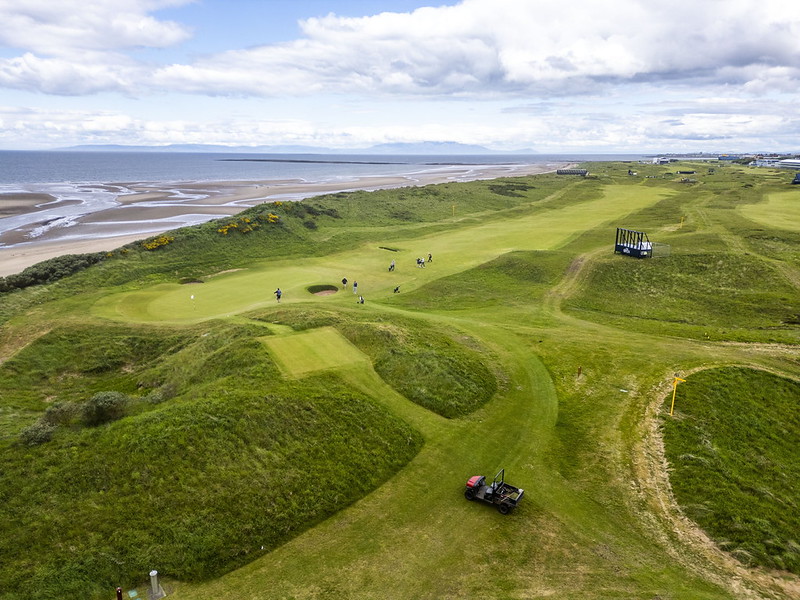
With all these variables, working to a long-term plan is essential to maintaining tournament-level playing surfaces. Royal Portrush offers a useful example of this approach: the Northern Irish club has worked with Toro for over 30 years to perfect its turf surfaces, with invaluable support from Reesink Turfcare.
For the 2025 Championship, the club relied on its Toro machinery and irrigation technology across the iconic Dunluce Links, supported by additional equipment and technical assistance from Reesink throughout tournament week. This proves that, when the stakes are high, preparation should not be an afterthought and excellence must be achieved over time. Consistent standards, reliable equipment and precise turf management need to be built into everyday course maintenance long before the event starts.
Different playing surfaces, same principles
A football pitch and a golf course place very different demands on turf, but the underlying lesson is the same: flawless turf surfaces are created through months and years of expert preparation.
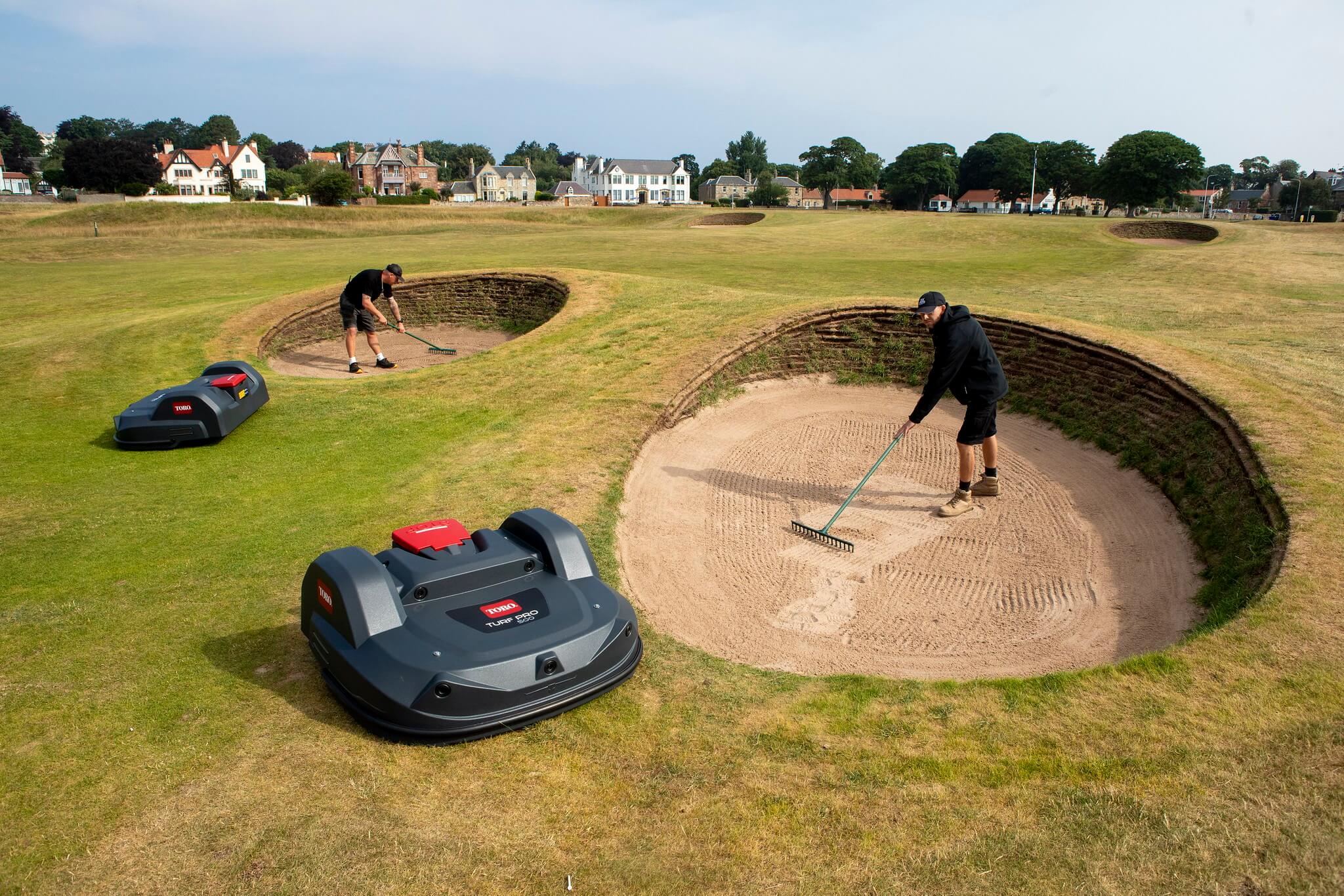
A World Cup pitch, for instance, needs to withstand foot wear concentrated in high traffic areas, deliver consistent ball behaviour, support player safety and recover quickly between matches. A golf course, meanwhile, is made up of multiple surfaces, each with different expectations around firmness, pace, height of cut and presentation.
Above these differences, though, preparing both for elite levels of competition relies on many of the same fundamentals. Turf needs to be healthy before it can look and perform at its best. Water must be managed and applied carefully. Drainage needs to work smoothly in challenging weather. Mowing must be precise and consistent. Machines must be reliable, well-maintained and ready to perform at any time.
These principles aren’t exclusive to major tournaments; they’re the foundations of good pitch and golf course maintenance at every level. Let’s see what they entail.
1. Stay ahead with proactive turf maintenance
The condition of the surface going into a tournament is the result of everything that happened beforehand: the way the turf was established, how it was irrigated, how wear was managed, and how the surface responded to changing weather conditions.
Rather than treating pitch or course preparation as a series of individual jobs, looking at the surface as part of a longer-term maintenance programme can help teams anticipate problems and make better use of their resources.
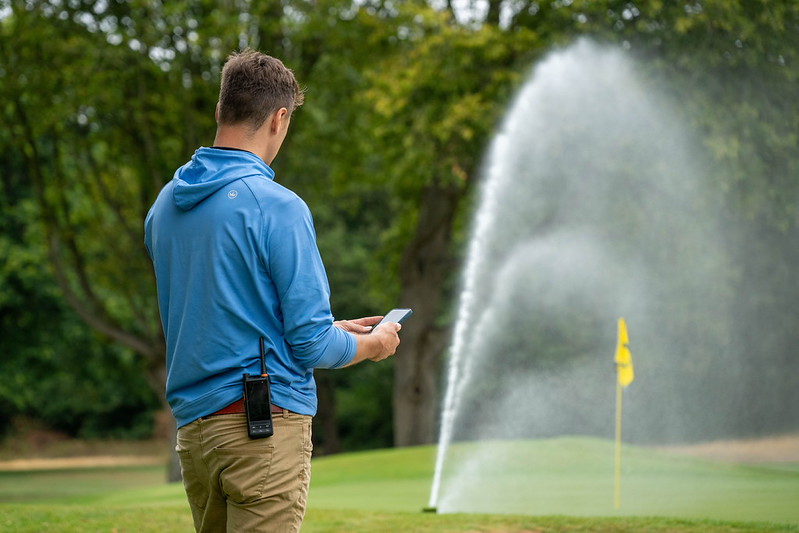
It also means understanding what the turf actually needs. Modern monitoring technologies can support that process by giving turf professionals more information about what happens beneath the surface. Remote sensing technology such as turfRad sensors, for example, helps measure moisture levels within the top four inches of the root zone accurately and consistently across the venue.
This way, teams can uncover turf stress early and identify moisture anomalies that aren’t yet visible, achieving more accurate irrigation control, optimised water efficiency and consistently healthier turf.
2. Get water management right
Beyond its vital role in photosynthesis and helping carry nutrients through the soil, it’s hard to overstate the importance of water in turf performance. Too little and turf becomes stressed and struggles to recover from wear. Too much can create soft conditions, encourage disease and compromise playability.
That’s why irrigation planning is about much more than making sure enough water reaches the surface. It’s about ensuring accurate water distribution and timing. Teams must understand the levels of moisture available in the root zone and how changing weather conditions will affect irrigation.
In addition to remote sensing moisture technology, solutions like Toro’s Lynx Central Control bring sub-inch irrigation precision, precious weather data and intuitive smart scheduling together to help teams make more informed decisions about when and where to irrigate.
The aim isn’t simply to use less water. It’s to deliver the right amount of water to the right place at the right time, supporting turf health while avoiding unnecessary wastage.
3. Drainage is the contingency plan that must work
Of course, even the best irrigation programme can’t control the weather. Tournament preparation therefore needs to account for both prolonged dry periods and heavy rain.
Effective drainage, in particular, is fundamental to maintaining playable surfaces after wet weather. On sports pitches, drainage that fails on match day can lead to waterlogging, surface damage and cancelled fixtures; on golf courses, excessive moisture can affect everything from turf health to bounce and ball roll. That makes drainage something worth considering well before the morning of an important game.
For most venues, regular inspection and maintenance of drainage systems can be just as important as investing in new equipment. Identifying blocked drains, compacted areas or persistent wet spots early gives teams the opportunity to address them before they become a much larger problem.
Turf aeration also plays an important role, helping relieve compaction and improve the movement of air and water through the soil profile. And depending on the surface and its condition, applications of sand or more intensive renovation work may also form part of a longer-term drainage strategy.
4. Mow like the best
It’s easy to look at the clean finish, the vibrant colours and the perfectly straight lines of a football pitch or fairway and see only the end result. The teams behind that result, however, know too well the amount of work and the expertise that was required.
Considerations like height of cut, mowing frequency, cutting direction and clipping quality (not to mention the condition of the cutting units) can all influence the final outcome.
And on fine turf, the quality of the cut is particularly important. A clean, precise cut supports healthier turf and contributes to the consistent aesthetics and playing conditions expected from high-quality surfaces. This is where choosing the right mowing equipment (and maintaining it properly) becomes critical.
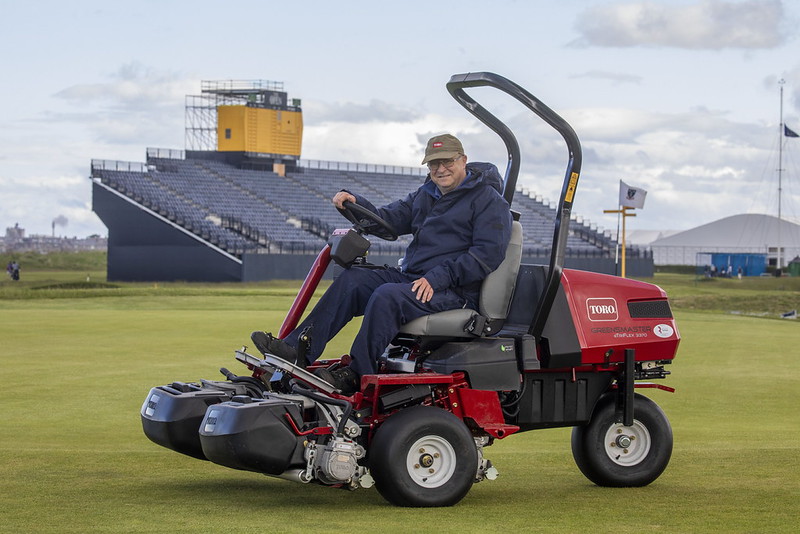
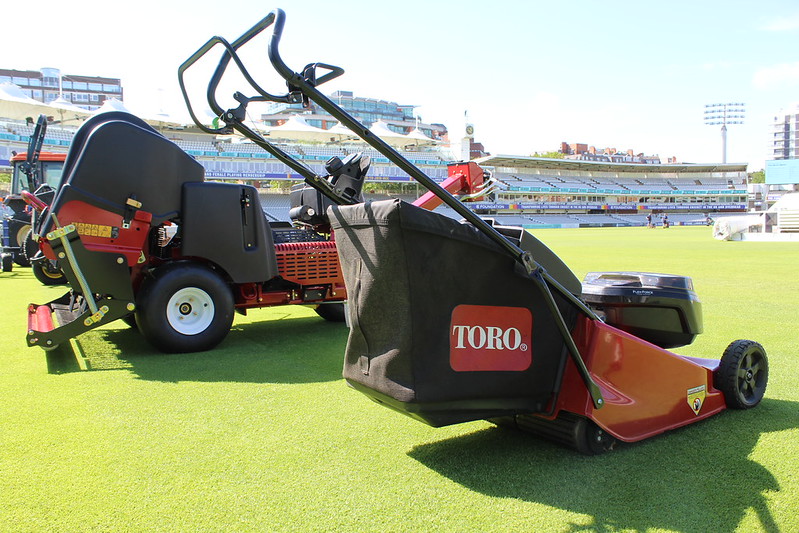
Toro’s range of cylinder and rotary mowers is designed for different turf types and applications, allowing teams to match the machine, its cutting width and cutting system to the surface rather than taking a one-size-fits-all approach.
For fine turf applications, genuine Toro cylinders and bedknives are manufactured with sharper edges and to meet the specifications of the original equipment, helping maintain the precision and consistency of cut expected from Toro machinery.
Lessons from Royal Troon: people play a pretty big role too
Machine training is another important part of that equation. Royal Troon’s experience proved that specialist knowledge can help teams get even more from their equipment when its mechanical team completed Reesink’s Turfcare Mechanics course.
In the build up to the 2024 Open, Royal Troon’s Head Mechanic, Davy Mclelland, began fine-tuning the club’s Toro machines daily (while most clubs adjust these settings a few times a season), tweaking settings like height-of-cut and cylinder speeds to ensure the best possible finish.
The results show that, for any venue looking to raise its standards, investing in the people behind the machinery can be just as valuable as investing in the machinery itself.
5. Playing consistency can’t be overlooked
Tournament turf isn’t just about making every surface look perfect, but also about making playability consistent and predictable.
For a football player, that means knowing how the ball will behave when it touches the soil surface. For a golfer, it means being able to trust the consistency of the greens, fairways and approaches from one hole to the next.
That consistency is the result of many small decisions working together: mowing quality must be uniform across the venue, turf moisture and irrigation must be accurately tracked, and maintenance equipment must deliver the same performance day in and day out.
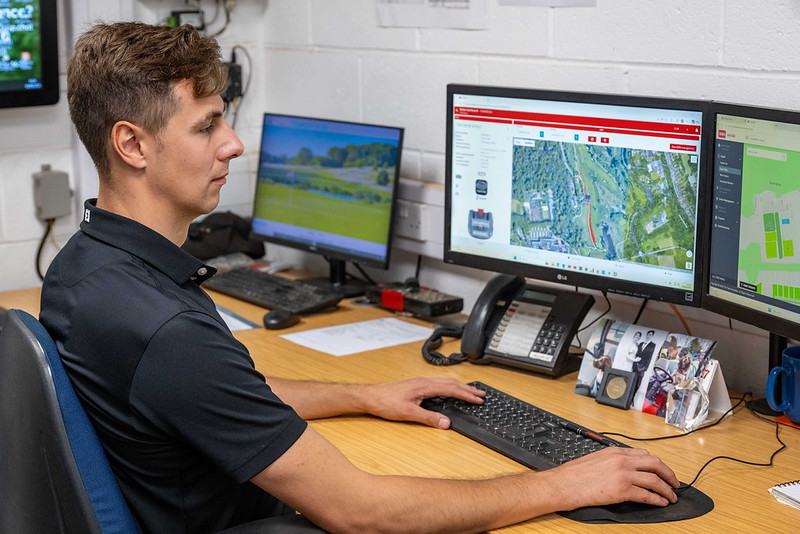
This is why data and connected technology can be invaluable tools in the kit of grounds teams and greenkeepers. Toro’s Intelli360 fleet and maintenance management system, for example, gives managers real-time visibility of machine locations, operating hours, “health” status, servicing information and maintenance history in one intuitive platform that can be accessed from anywhere.
For a busy golf course or sports facility, having this information readily available can help teams plan maintenance more effectively and identify servicing requirements before they become complex problems.
6. Machinery reliability is essential
Machine reliability is indeed another key factor that cannot be underestimated. A team can have the perfect maintenance programme on paper, but if a critical mower, aerator or utility vehicle fails at the wrong moment, that programme can quickly fall apart. That’s why servicing and parts support are so important to ensure minimum downtime and disruption.
While major venues will likely have an in-house mechanical team to reactively address technical issues, routine servicing provided by a programme like Reesink’s ReeAssure helps identify wear before it becomes a costly breakdown, while having access to genuine replacement parts can help keep machinery operating as intended.
For venues preparing for a major event, this becomes particularly important: all equipment needs to be ready before the real pressure arrives, not repaired once it’s already needed.
Bringing tournament-level quality to every venue
You don’t need a World Cup stadium or an Open Championship course to benefit from the thinking behind elite turf management. What matters is understanding your own surfaces, identifying what improvements can be made and having the right equipment to achieve your goals.
Having worked with over 30 of the last 43 host venues of The Open, Reesink and Toro know well what it takes to achieve turfcare excellence – supporting golf clubs and sports venues across the country with some of the best machinery, irrigation systems, genuine parts and specialist advice in the industry.
From precision mowing and irrigation management to connected fleet technology, Reesink’s equipment and expertise can help make day-to-day turfcare more efficient and consistent all year round.
Visit www.reesinkturfcare.co.uk or call 01480 226 800 to discuss your turfcare requirements and discover the solutions that could elevate your maintenance strategy.