
Waterlogged pitch? What wet weather really means for your turf
Wetter winter months and more extreme rainfall are becoming a growing reality across the UK. For sports turf teams, that means waterlogged pitches are no longer an occasional disruption: they are a recurring challenge.
Unfortunately, beyond short-term disruption to play, a waterlogged pitch can also cause deeper issues beneath the surface, both immediately and over time.
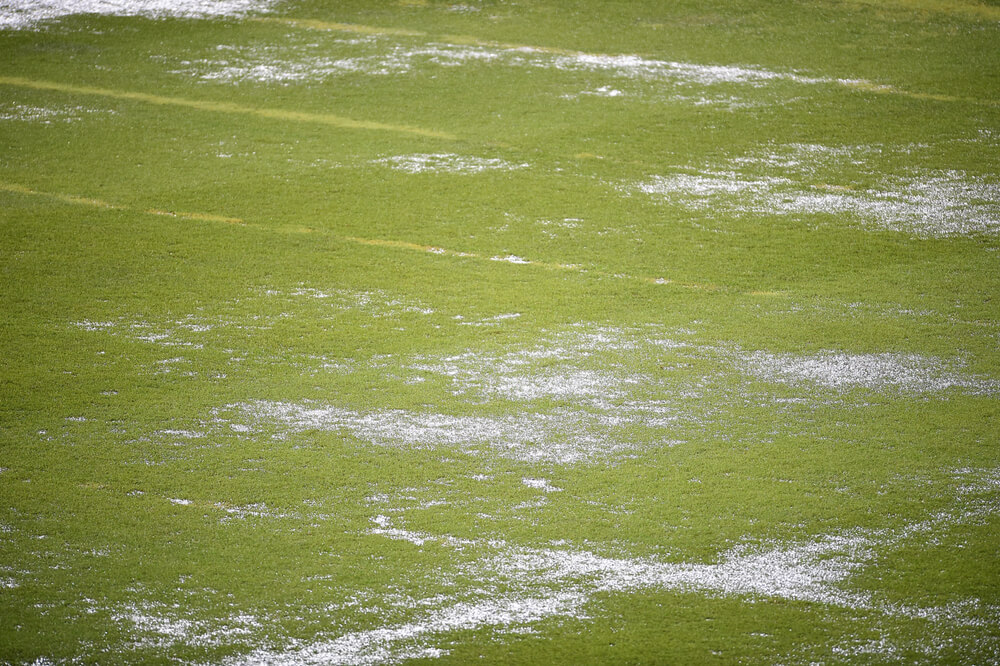
Understanding what your pitch is telling you (in the first 24 hours, over the following week and across a prolonged wet spell) can help you make better decisions about turf protection and recovery.
This guide looks at what waterlogging really means for the surface of sports pitches, and how to deal with the issue one day, one week and one month after the event.
Day one: prioritising safety and damage control
The immediate impact of heavy rainfall is usually easy to see. Standing water, saturated ground and soft, unstable footing all point to a pitch that is under pressure. At this stage, the key question for grounds teams is not just whether the pitch looks playable, but whether it should be used at all.
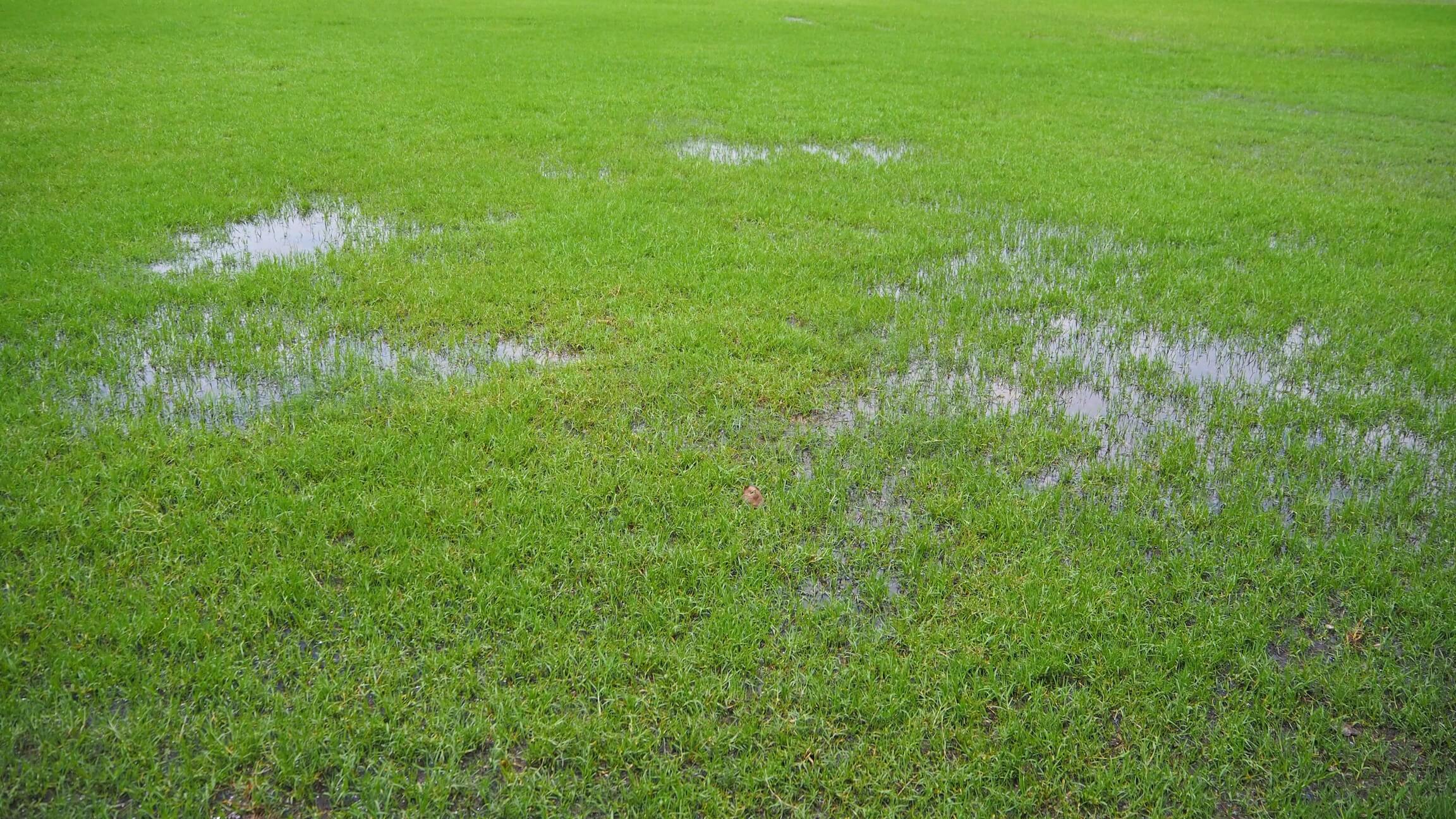
Reduced traction increases the risk of slips and injuries, while saturated surfaces are far more vulnerable to damage. Even light use can lead to:
- Surface tearing and rutting
- Smearing of the top layer
- Loss of grass cover in high-wear areas
In the first 24 hours, the priority should be protecting the turf. Avoiding play or limiting traffic where possible can prevent damage that would take weeks, or longer, to repair.
In many cases, what happens on day one has a direct impact on how quickly the pitch recovers later.
One week after: the impact under the surface
After several days of wet weather, the issue becomes less about visible surface water and more about what is happening in the soil profile.
Even if standing water begins to clear, the rootzone may remain saturated, leading to:
- Poor drainage performance
- Compaction in areas with heavy foot traffic
- Reduced oxygen availability in the soil
- Increased stress on turf
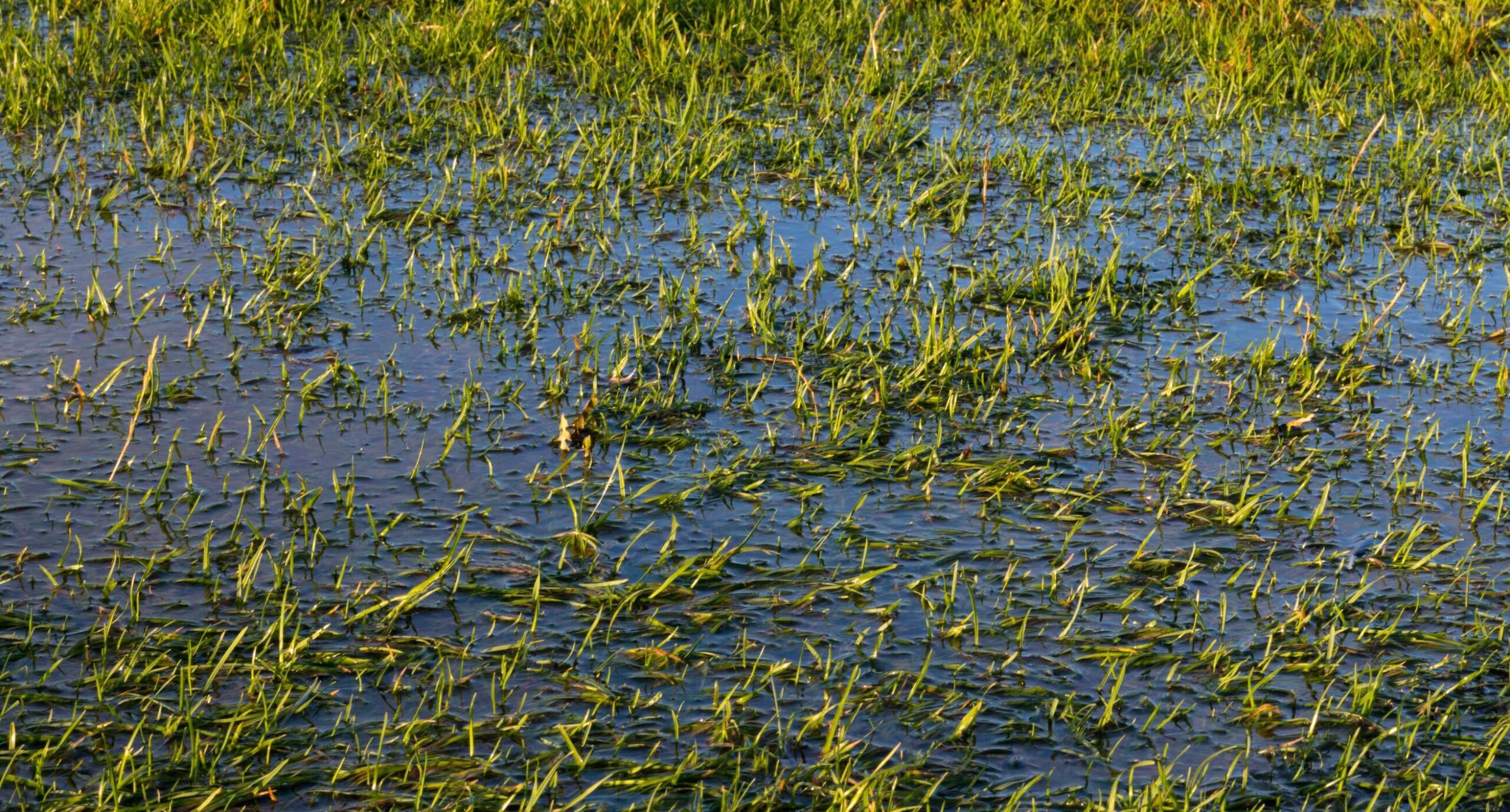
Grounds teams should use this period to observe visible damage, assess how the wet pitch is behaving and draw conclusions based on recurring symptoms. For instance, they should determine where water is collecting to identify compacted areas, how long it takes to drain away and whether the same areas are affected after excessive rainfall.
These observations can provide valuable insight into underlying problems that may not be obvious in drier conditions.
One month after: long-term impact on turf recovery
When wet conditions persist over several weeks, the effects become more significant, and more complex.
Prolonged waterlogging can lead to a range of issues that affect both surface quality and long-term pitch performance, which include:
- Thinning turf and reduced grass cover
- Shallow or weakened grass roots
- Increased vulnerability to grass diseases
- Surface instability and inconsistent playing conditions
- Limited opportunities for mowing and routine maintenance
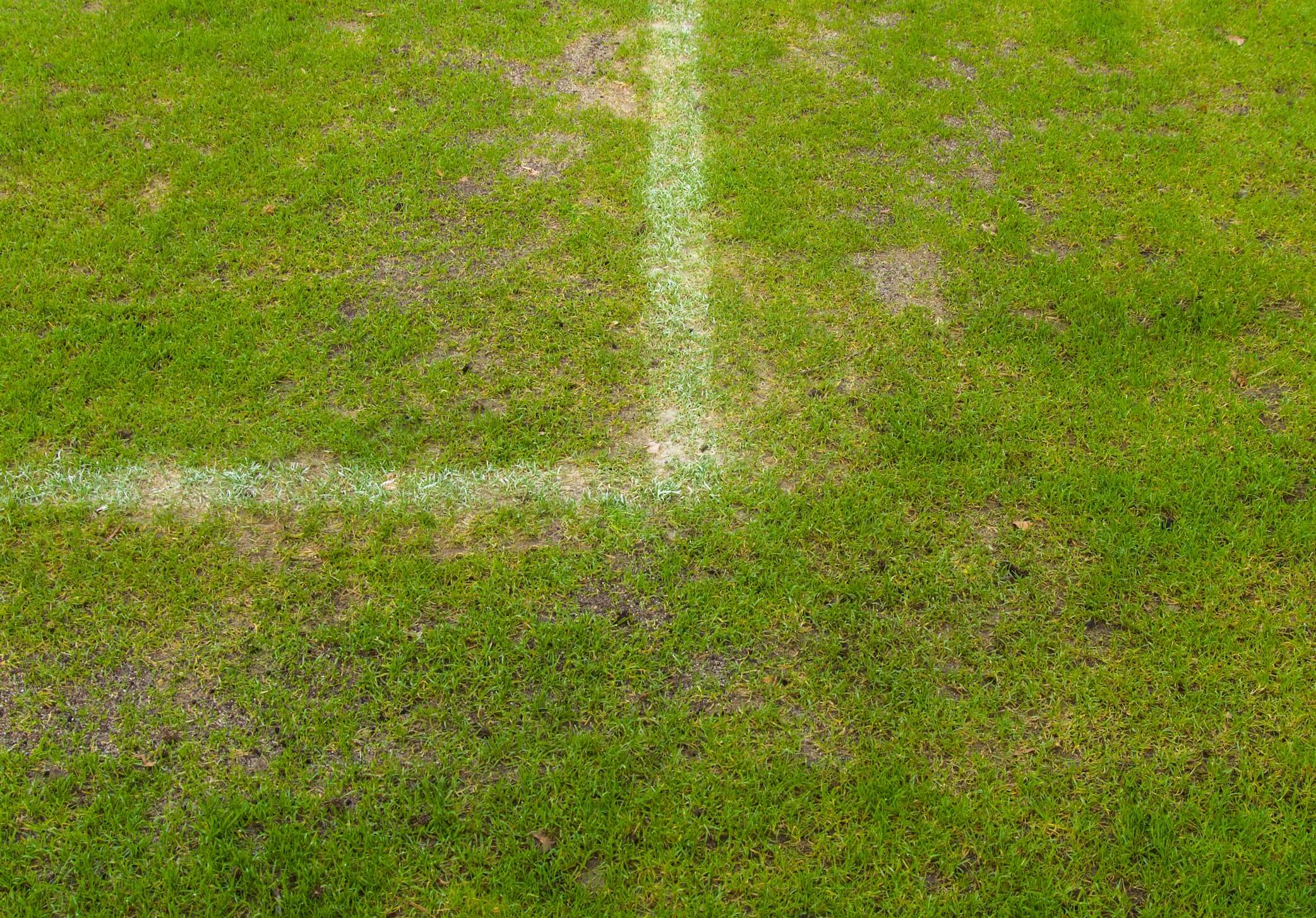
This is often where waterlogging becomes part of a bigger maintenance story, as each of these issues may highlight the need for a more structured aeration programme, improvements to secondary drainage or primary drainage systems and even targeted renovation work in high-wear areas.
Ultimately, rather than seeing waterlogging merely as an abrupt disruption to play, it’s more useful to treat it as a sign of how well the pitch is set up to cope with challenging conditions.
What can grounds teams do?
While weather cannot be controlled, the way a pitch responds to it can be managed. The key is to take a measured, practical approach, balancing immediate protection with longer-term improvement.
1. Protect the playing surface during wet conditions
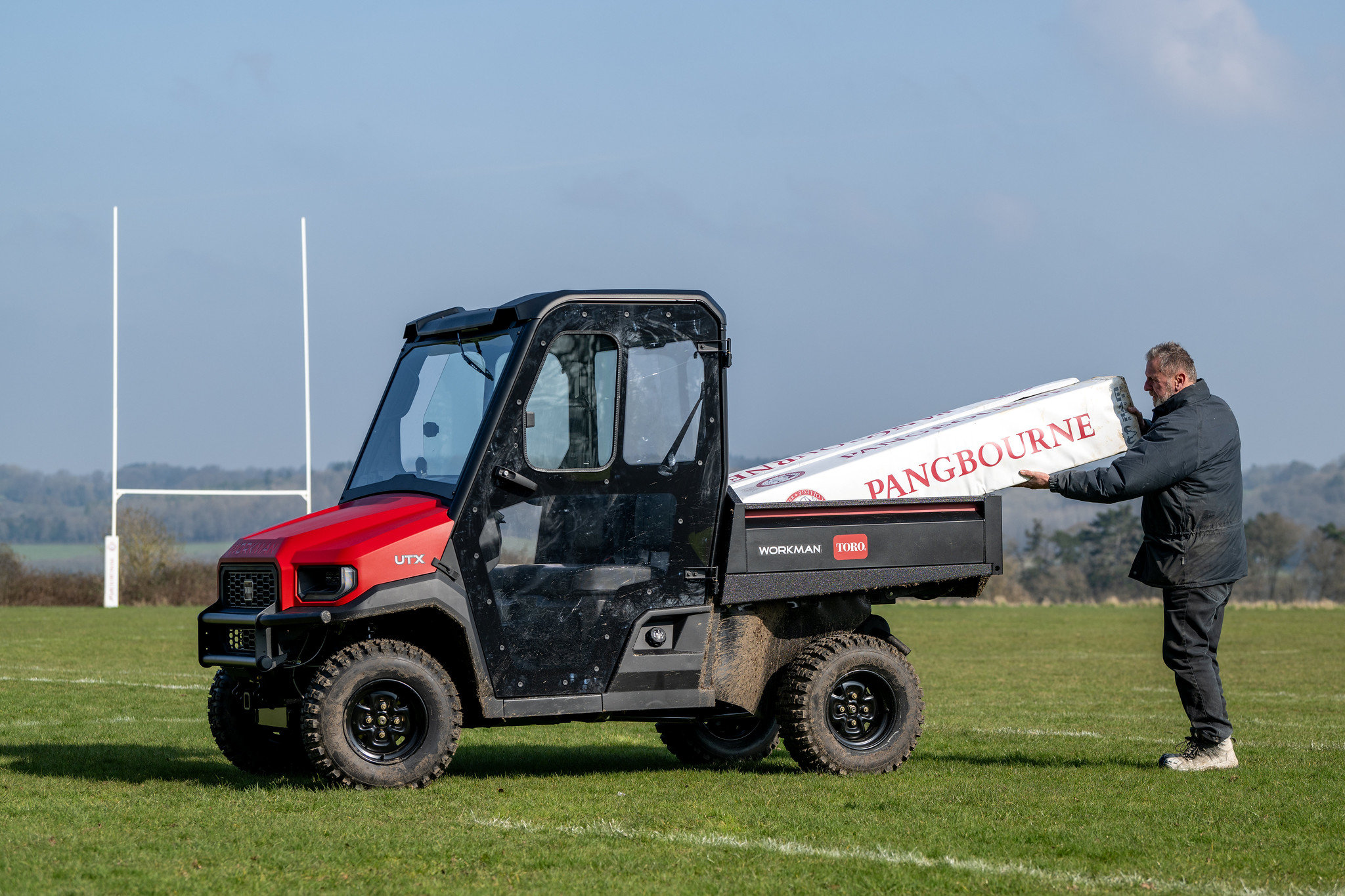
Avoid unnecessary traffic on saturated areas wherever possible. This helps prevent structural damage and preserves grass cover, particularly in high-wear zones.
2. Monitor recovery closely
Pay attention to how quickly the pitch drains and recovers after heavy rain. Slow recovery times can indicate compaction or drainage issues that need to be addressed.
3. Use aeration effectively
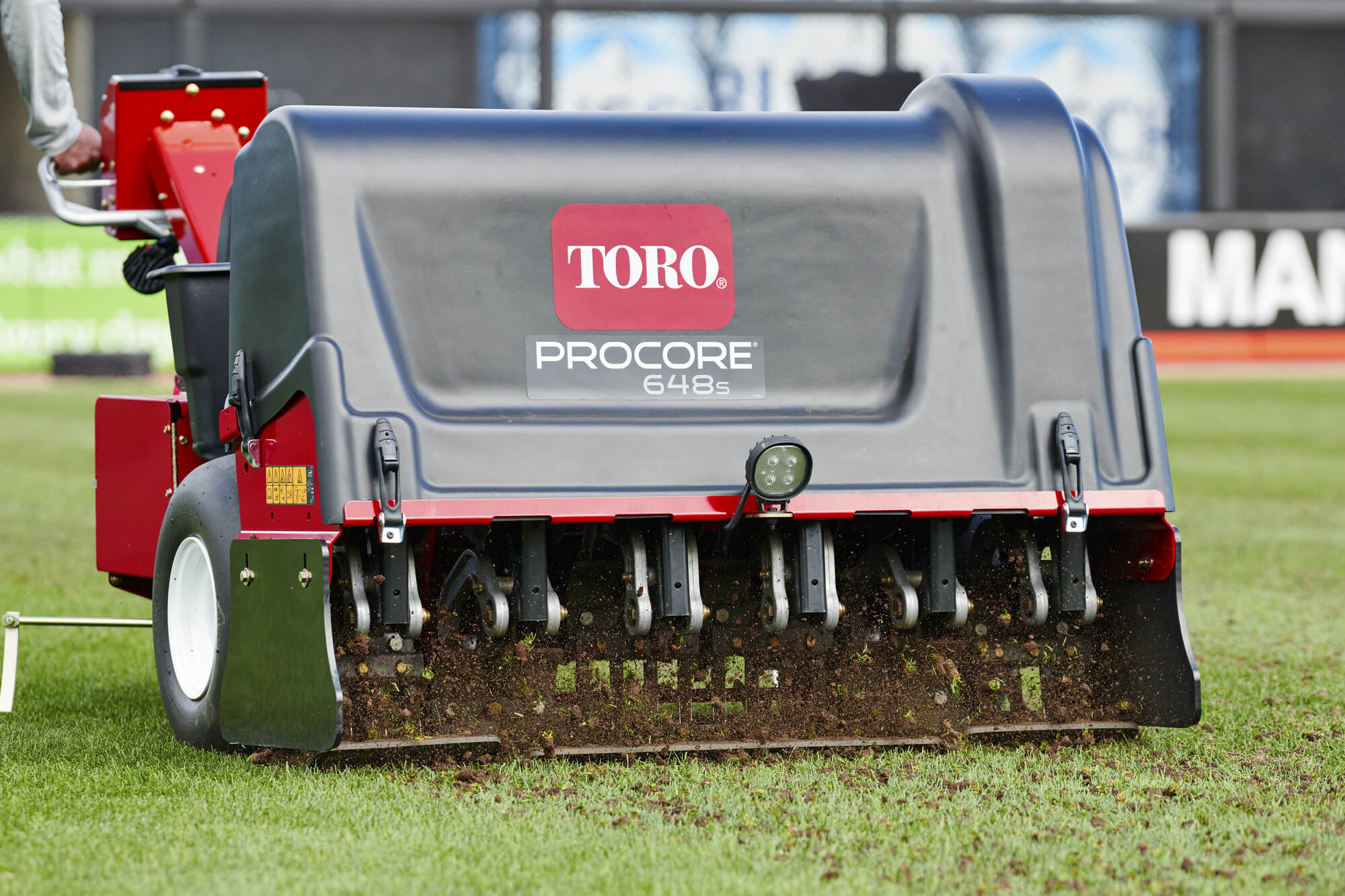
Once ground conditions allow, deep aeration becomes one of the most effective ways to restore balance within the soil structure. By improving air and water movement through the soil, aeration helps relieve compaction, encourage deeper rooting and accelerate recovery.
Targeted aeration methods, such as deep spiking or verti-draining, can be particularly effective after prolonged wet periods. These approaches break through compacted thatch layers and allow excess moisture to move more freely, while reintroducing oxygen to the rootzone.
4. Topdress to improve surface drainage
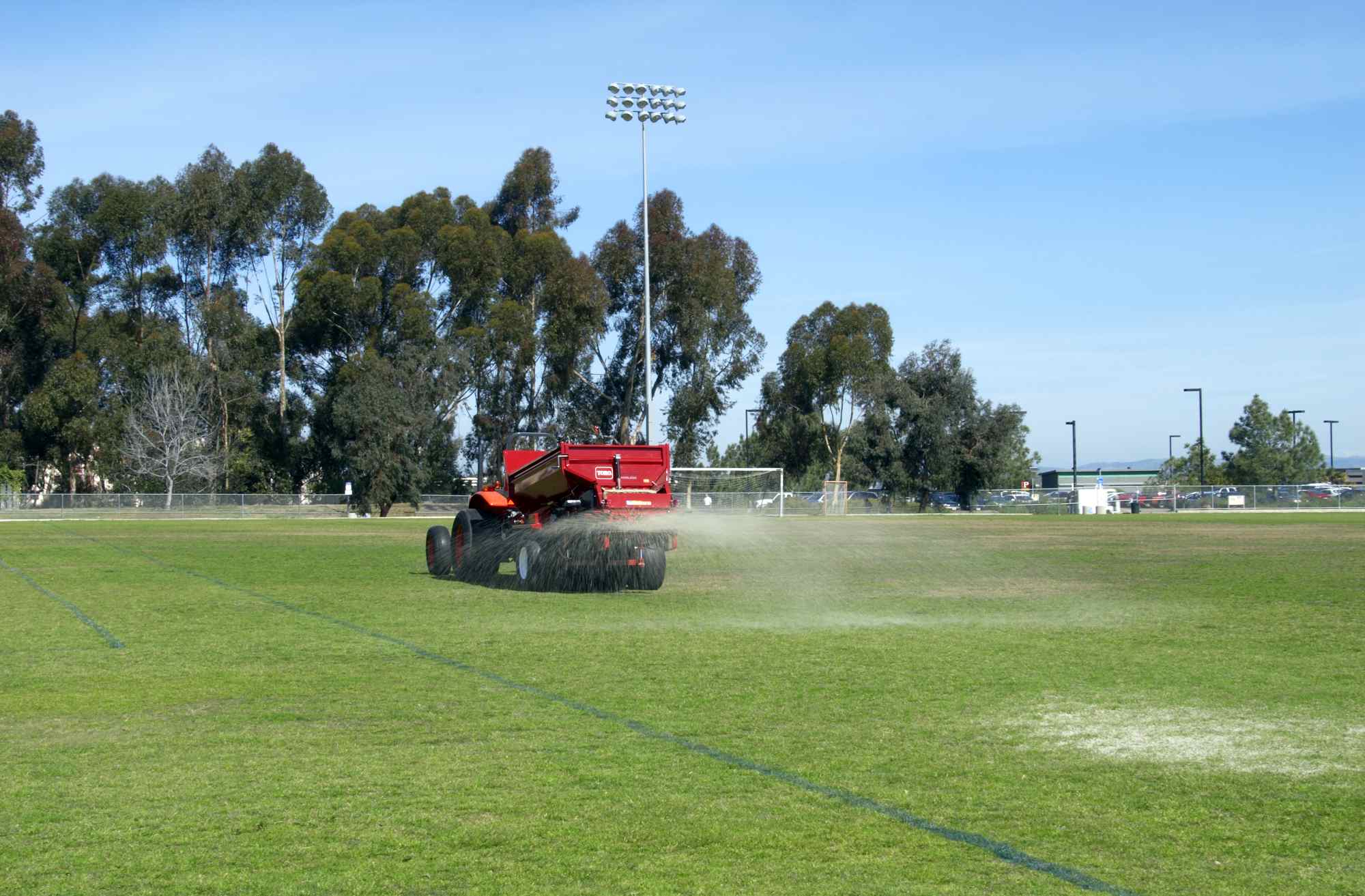
Topdressing plays an important role in improving surface structure and long-term drainage performance. Applying sand-based materials helps create a firmer, freer-draining profile, reducing the likelihood of water sitting on the surface.
When combined with aeration, topdressing becomes even more effective. The process allows material to move deeper into the soil profile, improving consistency and helping to level out minor surface imperfections that can hold water.
5. Review drainage performance
Recurring wet areas are often a sign of inadequate drainage systems. Monitoring where water collects and how long it takes to disperse can help identify whether the issue lies in the pitch surface, compacted soil or the wider drainage system.
Where necessary, targeted improvements may be required. This could involve enhancing primary drains and existing infrastructure or introducing secondary solutions, such as sand slitting, to improve water movement through the upper profile.
Over time, a well-maintained drainage system not only reduces disruption during wet weather, but also supports more consistent playing conditions throughout the season.
Plan ahead and improve pitch drainage with the right tools
Reactive maintenance can only go so far. Developing a longer-term plan, including aeration, topdressing and drainage improvements, helps build resilience into the pitch over time.
This is also where the right equipment can make a difference. Professional aeration and surface management machinery from Toro and UK distributor Reesink Turfcare enables grounds teams to carry out essential work and preventative measures more effectively.
If you’re looking to improve drainage, manage excess water, reduce compaction or strengthen your pitch maintenance strategy, speak to a Reesink specialist or call 01480 226800 to learn more about the machinery and support available to your team.