
Reesink’s guide to grass species: the different grasses for different sports pitches and turf
Sports surfaces aren’t just grass. The grass species chosen for them influences how the playing surface performs, how it copes with wear and tear, how it looks, and how much maintenance is required to keep it delivering a high quality surface throughout the playing season.
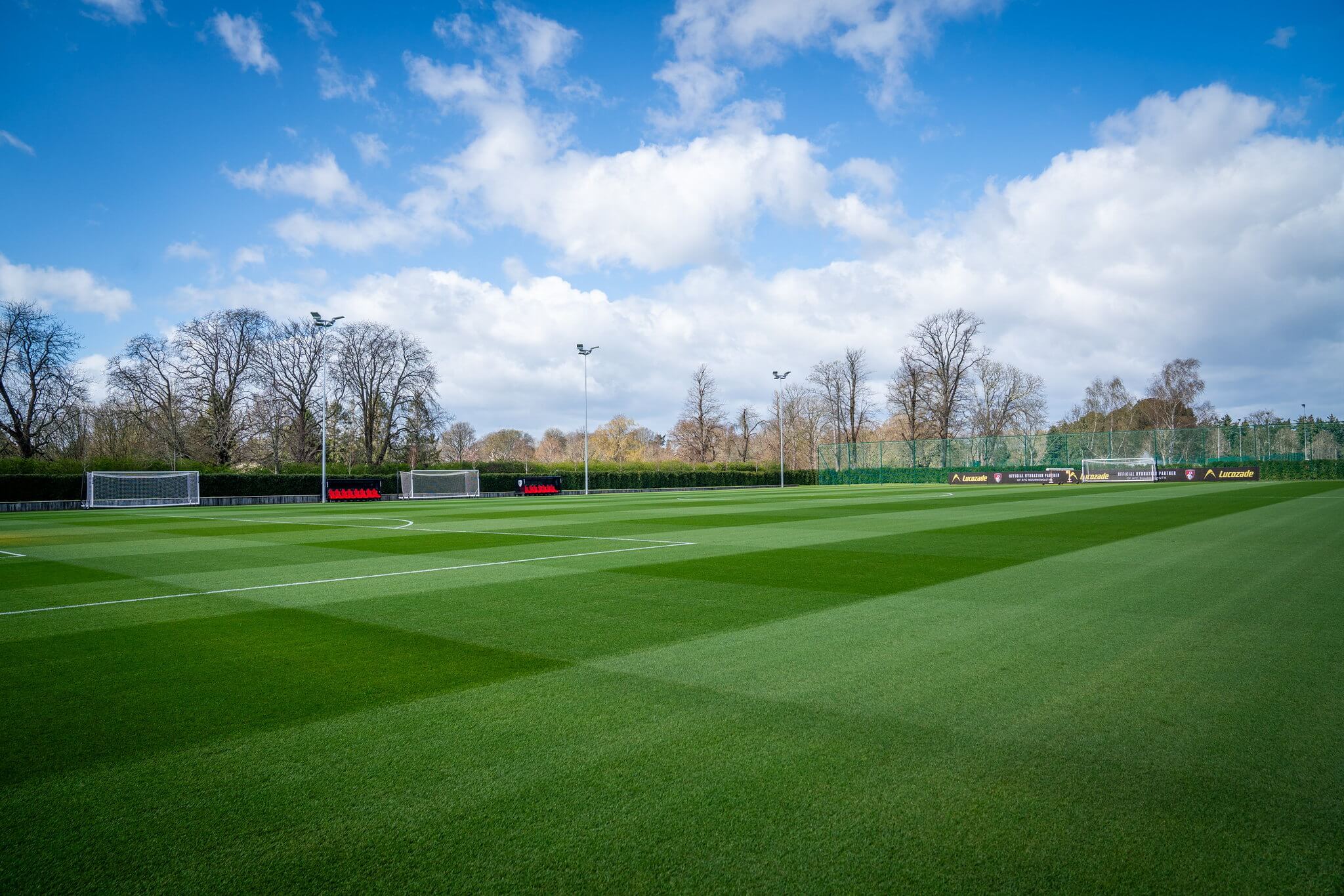
This overview forms part of our wider Reesink guide to different grass types in sport, where we will cover: the most common grass types used, machinery and mowing practises for each grass type, what influences choices, and why golf courses, football pitches, and rugby pitches often use different grass species.
Why grass species matter in sport
Every sport puts pressure on turf in a different way. Some surfaces need to withstand heavy foot traffic and bounce back quickly. Others prioritise playability, presentation, or consistency across the season – and in the UK, cooler temperatures and wet winter months can slow growth and limit recovery, which makes grass choice even more important.
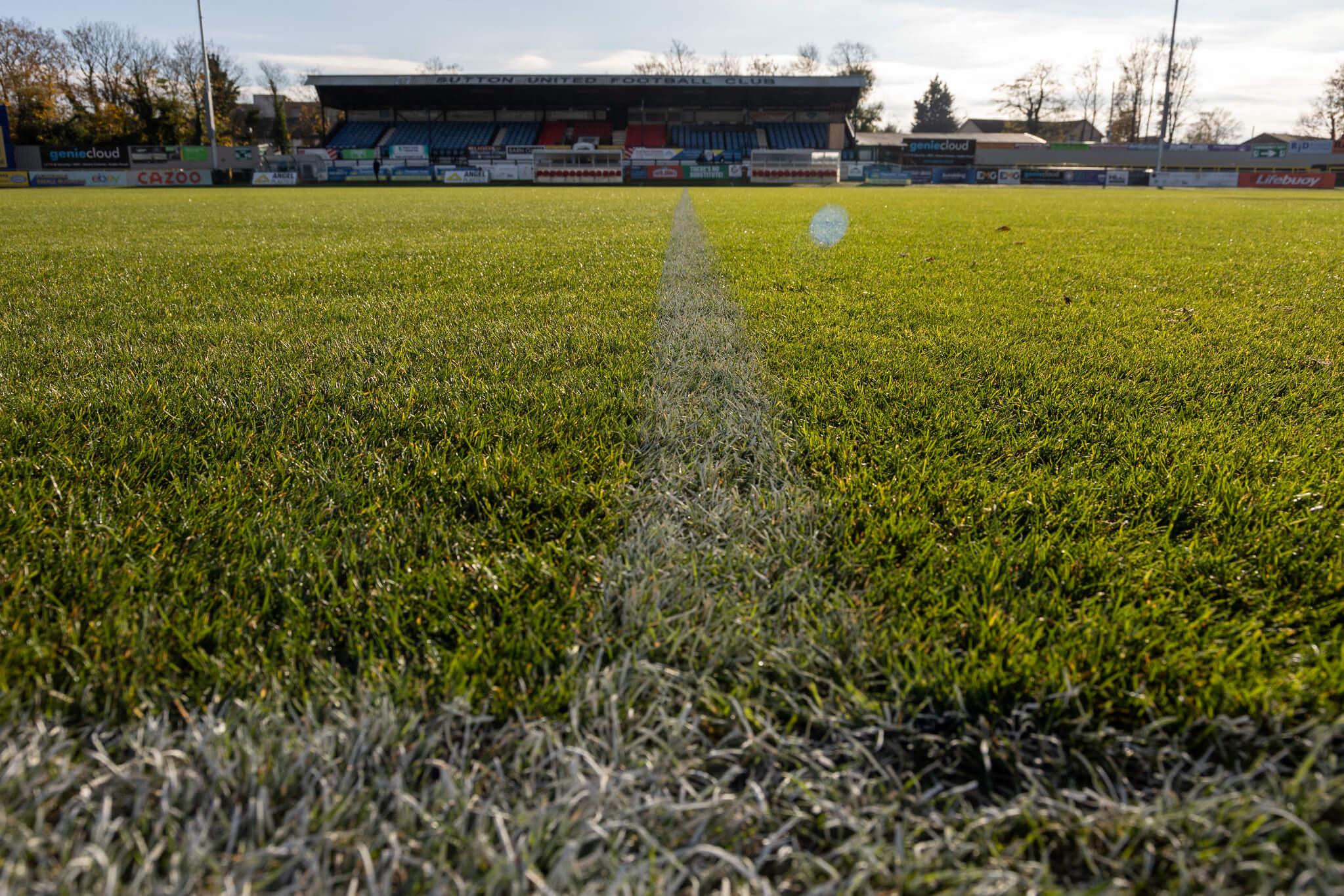
So while all grass might look similar from the stands or sideline, there are many different types, and the grass species or sward you’re maintaining will shape how the surface behaves when play begins.
What this means for you
The grass species and the job you’re asking it to do will influence the type of mower that makes sense.
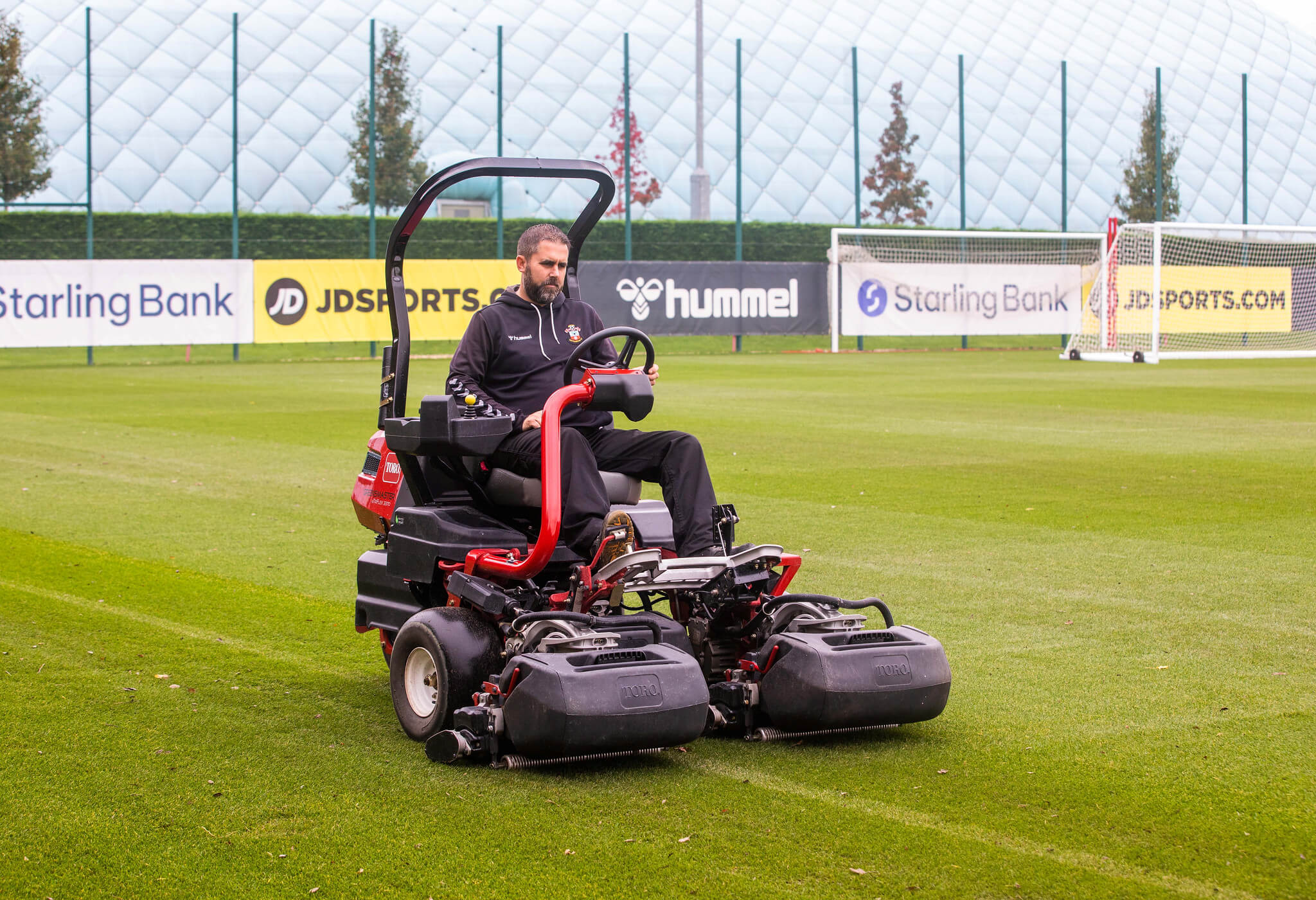
Finer swards (for example, where fescues are part of the mix and presentation is the priority) typically suit reel/greens-style mowing, while thicker, coarser growth and higher-cut areas like roughs are often better handled with flail or rotary solutions designed for tougher material.
That’s where Reesink can help. We work with venues across the UK to match surface goals and grass type to a realistic maintenance plan, and the right Toro mowing equipment to deliver it.
Different grasses for different sports: what factors influence choice?
There’s no single best grass type. The simple way to think about grass choice is matching the plant to its intended role, aesthetic appeal, wider site, and maintenance input you can realistically deliver.
1. Wear tolerance, foot traffic, and recovery
High traffic surfaces like football and rugby pitches or golf course walkways need turf that can handle repeated wear and tear and still maintain cover. This is where wear tolerance and the ability to recover quickly matter most, especially when playing surfaces are used several times a week.

2. Playing season, climate, and ideal conditions
In the UK, most sports pitches and many golf surfaces sit firmly in cool-season conditions. This means growth can slow through the winter months, which means recovery takes longer. That’s why the playing season matters: what you can repair easily in summer can be a bigger challenge in mid-winter.
When doing research, it’s important to point out that you might see warm season grasses like bermuda grass and zoysia grass referenced for warmer regions and warmer climates, but for most UK sport and golf, cool-season grasses are the norm.
3. Soil, drainage, and site factors
Soil type, drainage, shade, and exposure all influence which plants thrive. The same grass species can perform very differently depending on the ground it’s growing in. If you’re on heavier ground, or you’re dealing with shade and poor airflow, that can steer species choice and the seed blends you rely on.
4. Presentation and performance expectations
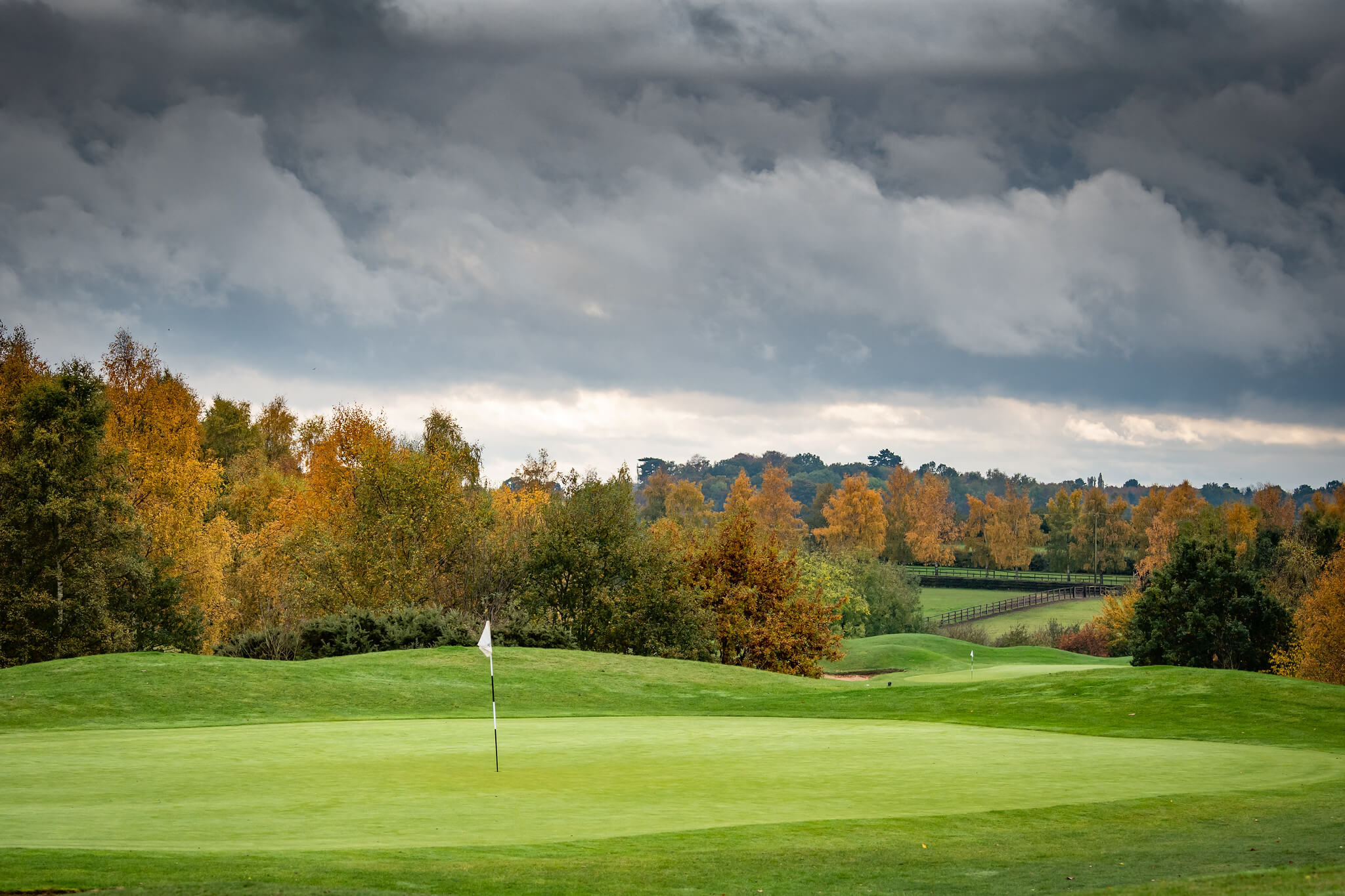
Some sports clubs are focused on durability and availability first. However, golf courses often need to balance durability with tighter expectations around playability and finish, especially if they’re aspiring to be or are already a championship-level course. Even within golf courses, different areas of the course are managed to different standards.
5. Maintenance input and resources
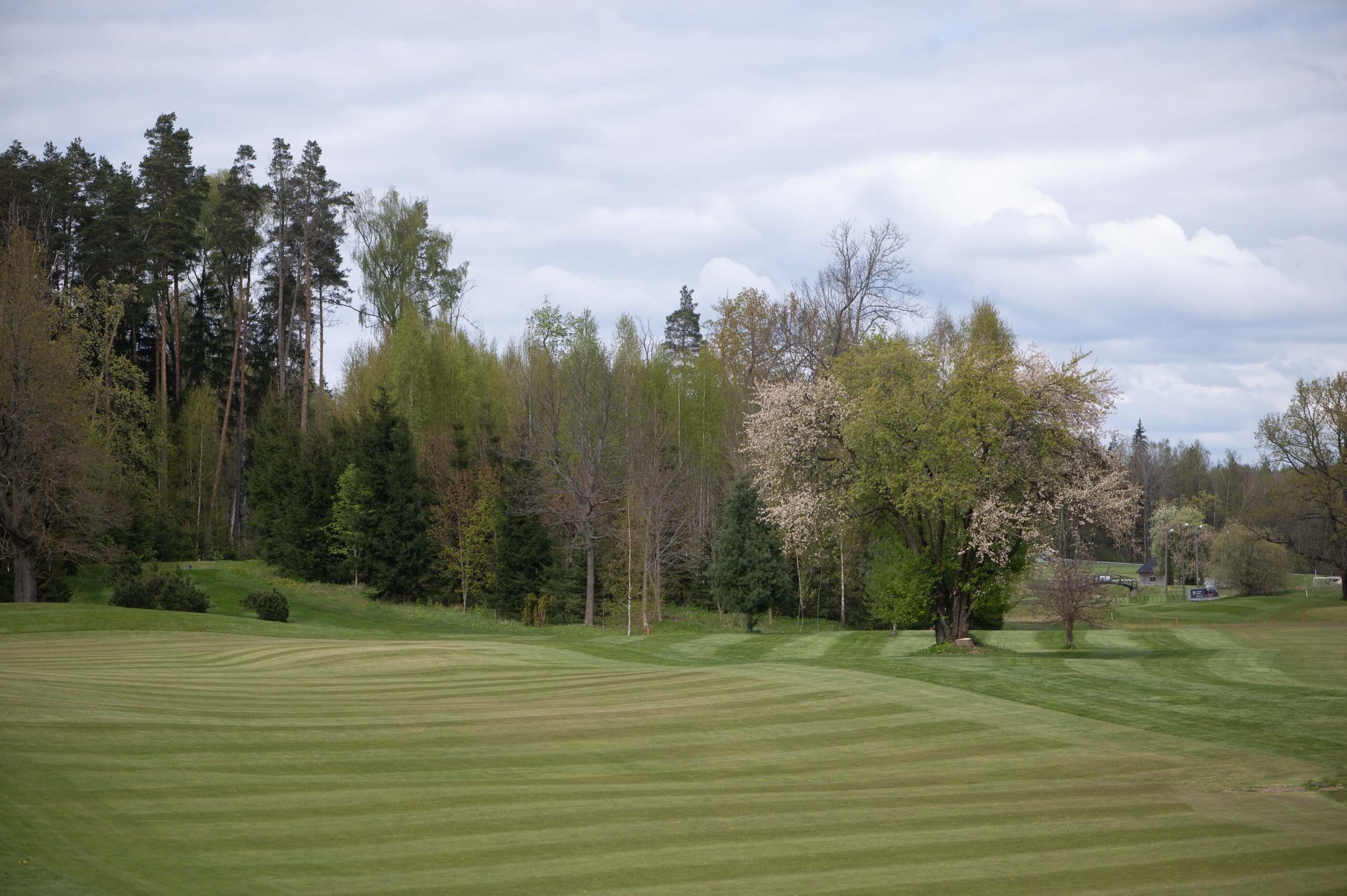
Grass choice is inseparable from maintenance requirements. Mowing height and frequency, irrigation, and planned activity all influence what will work and what will struggle. A low maintenance approach (less maintenance, fewer inputs) naturally points you one way; whereas a high-input elite programme points you another.
The most common grass species in UK sports turf
Before we explore the most common grass species in UK sports turf, it’s important to note this is a short overview. You’ll be able to learn more about each species and their applications in subsequent articles.
Many surfaces rely also on seed blends – because blends balance different strengths and help turf cope with changing conditions.
Perennial ryegrass (Lolium perenne)
Perennial ryegrass is a staple of sports turf because it establishes quickly and copes well with ongoing use. Based in Ithaca, New York, Cornell University’s Turfgrass Program publishes research and best-practice guidance for managing safe, high-performing sports fields.
Their research shows perennial ryegrass can germinate in days and form uniform turf within around two weeks in ideal conditions, making it competitive against weeds and suitable for high traffic areas.
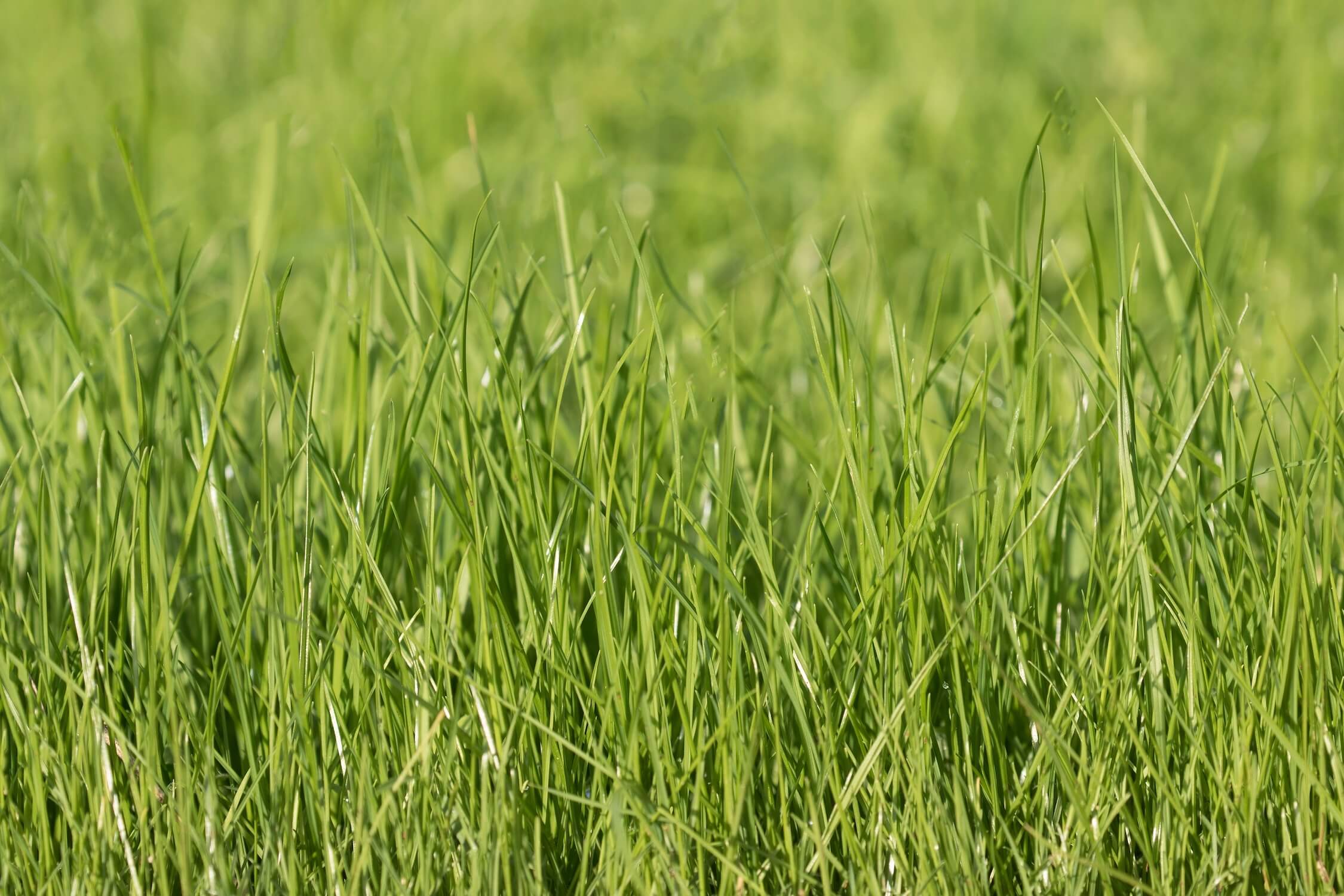
These growth factors are why it shows up so often on sports pitches. Because when a surface takes an ongoing level of wear, growth and recovery matters. You may also see it written as perennial rye grass, or shortened in conversation to rye grass.
Fescue grass
Fescue grass is often valued for its finer texture and potential for lower-input management in the right conditions. On golf courses, fescues are commonly linked to firmer playing surfaces and a sustainable approach. But where they fit best depends on site conditions and the maintenance strategy behind them.
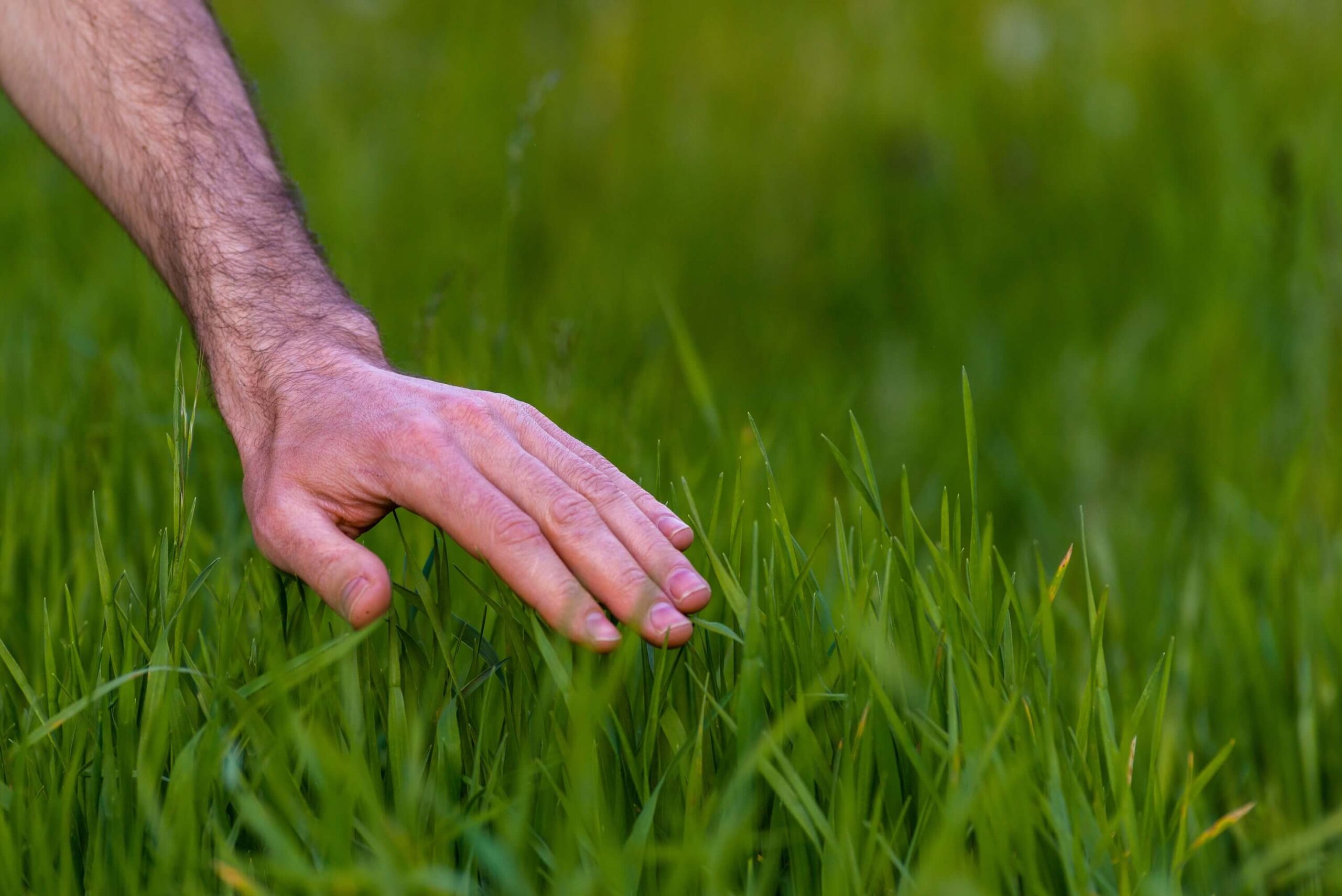
Fescues tend to suit a different style of turf than ryegrass, and that changes how the surface plays and how it’s maintained. Fescues are typically finer-leaved and are often associated with firmer, leaner turf, which is why they’re commonly linked with certain golf surfaces and lower-input approaches.
Compared with perennial ryegrass, they generally don’t recover from heavy wear as quickly, so they tend to suit areas where traffic levels are lower or where the priority is presentation and playability rather than rapid repair. That can mean different mowing and irrigation expectations to get the best from them.
Smooth-stalked meadow grass (Poa pratensis)
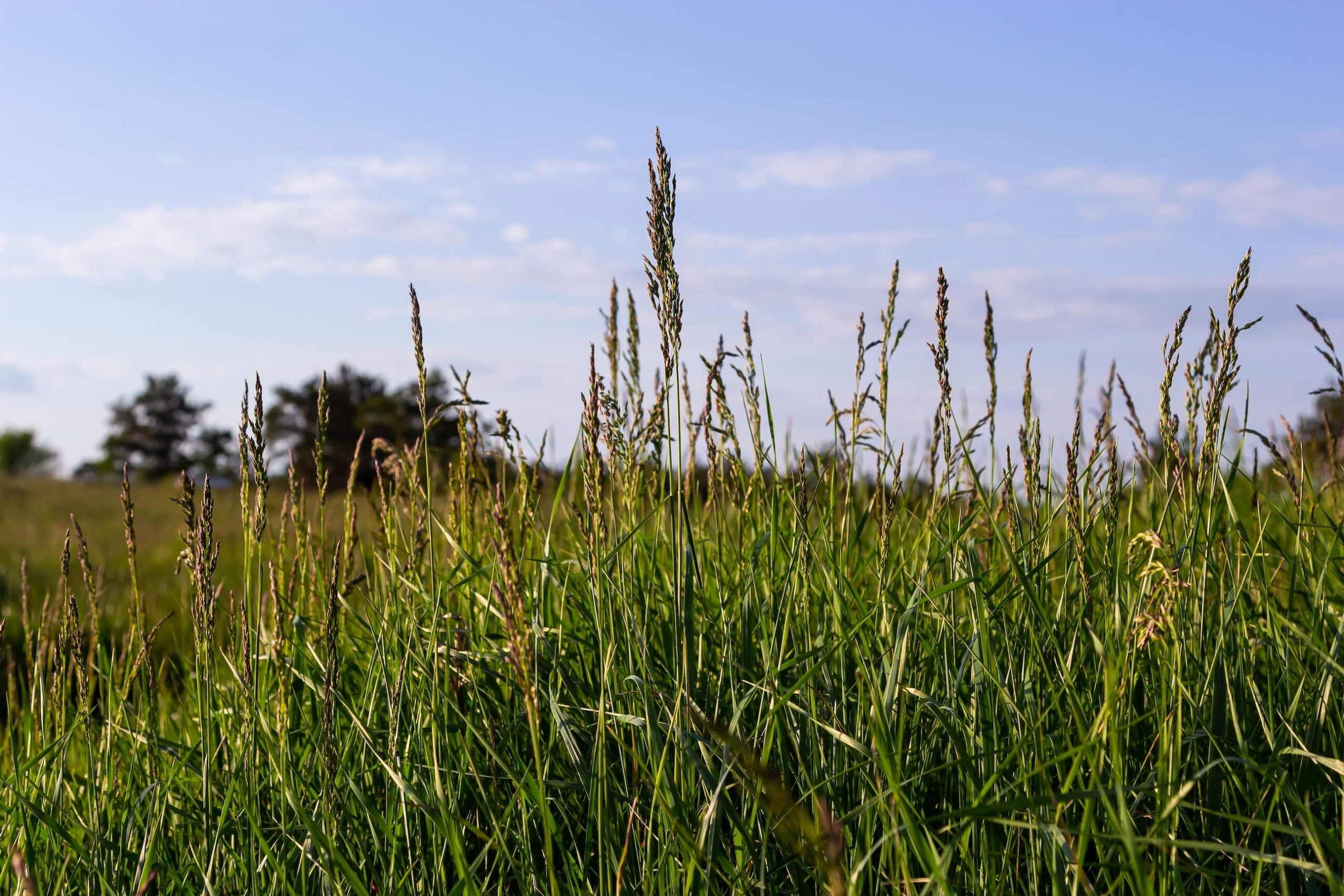
Smooth stalked meadow grass is valued for building resilience over time. This is thanks to its rhizomes (underground stems). Once established, it can be as hard wearing as perennial ryegrass and often has better tolerance of close mowing, with rhizomes that help it recover from wear. However, it’s not always the fastest answer for quick cover, but it can play a role in long-term sward strength on the right sites.
Why turf seed blends are so common
Most golf and sports surfaces aren’t built around one single grass species. Blends are used as they help turf cope with the reality of a season: foot traffic, weather swings, disease pressure, and wear and tear.
A blend can also make surfaces more resilient. If one species struggles in a particular set of conditions, the overall sward can still hold together.
Different playing surfaces, different turf priorities
When we factor in different playing surfaces – for instance, a golf course versus a rugby pitch – this is where it becomes clear why different grass types are used, with each surface supporting different use and activity.
Golf courses: playability, presentation, and different zones
Golf courses aren’t one surface; they’re a set of playing zones. Greens, tees, fairways, and rough all face different demands and are maintained differently – grass species influence ball interaction, consistency, and how far you can push mowing practices.
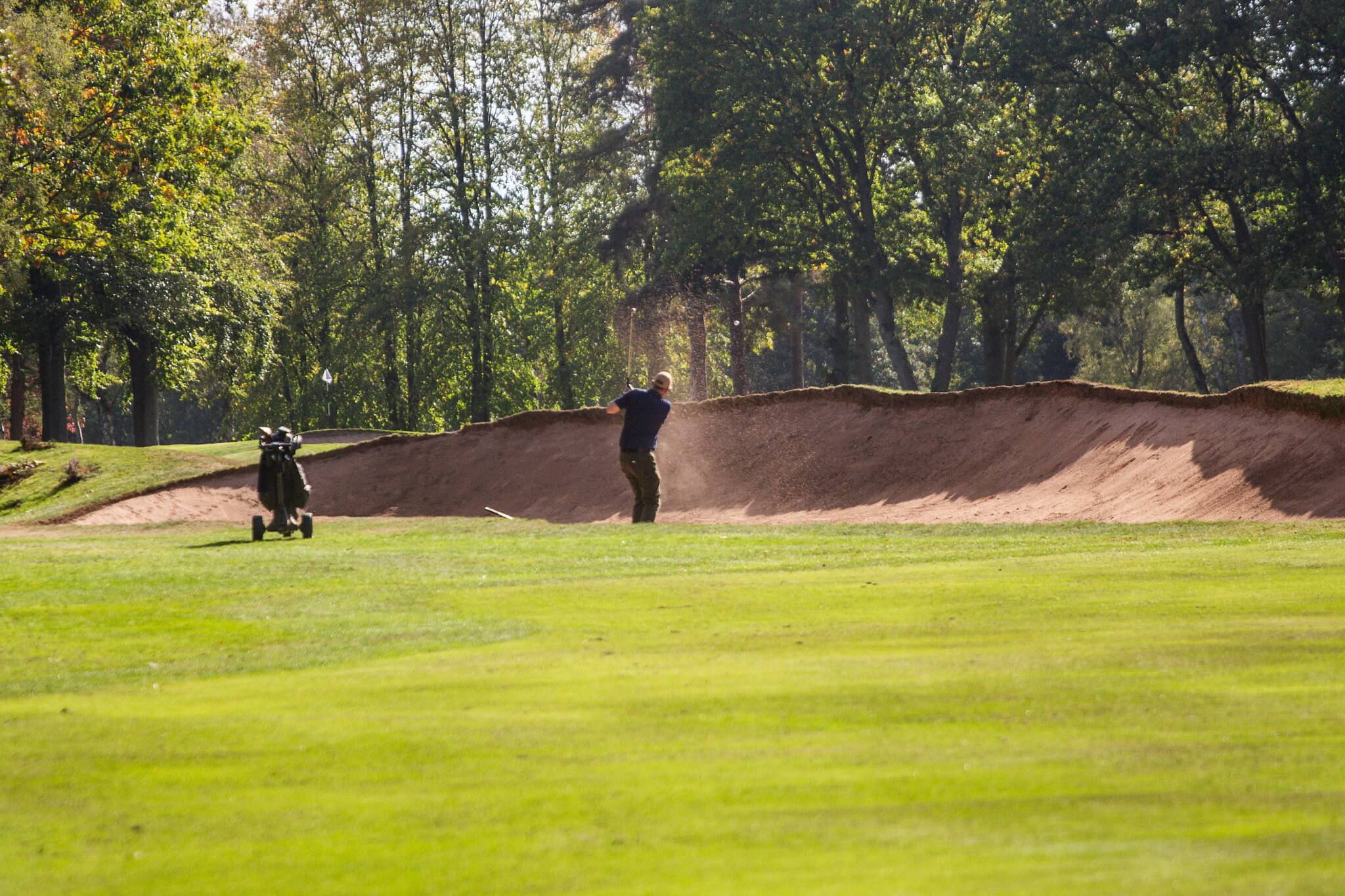
Course style also plays a role. In our series, we’ll explore how links, parkland, and other course types influence grass choices and the maintenance strategy that follows.
Football pitches and rugby pitches: durability and recovery first
Football and rugby pitches are subject to repeated wear, contact, and heavy foot traffic. For many, the priority is a stable playing surface that can withstand heavy use and recover quickly, especially through winter months when growth slows.
This is one reason perennial ryegrass remains so common across football pitches and rugby pitches: it supports fast establishment and repair, which helps surfaces stay playable through a demanding season.
Hybrid systems: more reinforcement, more stability
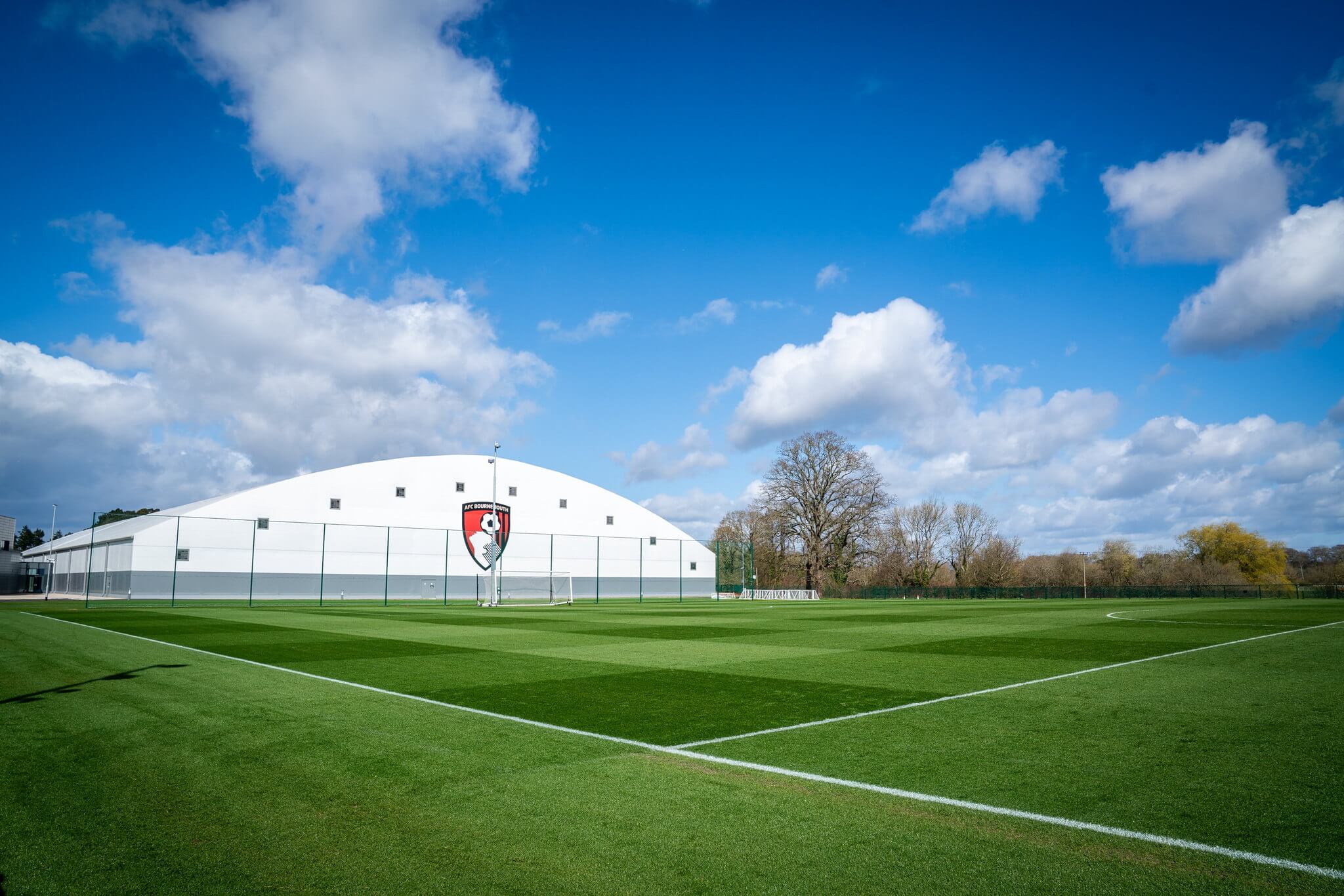
Most common on football pitches, hybrid systems reinforce natural grass to help it cope with more use. One approach is natural grass strengthened with synthetic fibres stitched into the surface, enabling more playing hours and supporting recovery.
Hybrid systems are useful where demand is high and there’s less room for compromise. In busy training environments, reinforcement can help a natural grass surface hold together under heavy traffic, keeping the turf more stable and consistent across the season. This can support enhanced performance when fixtures, training and events leave limited recovery time.
Artificial surfaces: solving availability and consistency in a different way
Artificial surfaces (often referred to as synthetic turf or artificial grass) have become increasingly popular where availability is the priority, especially for community sport and multi-use sites. The trade-off is that the surface behaves differently from natural grass – some players describe a harder surface underfoot, and the maintenance is about keeping the system performing consistently rather than growing plants.
Managers of these pitches must focus on keeping the surface clean, managing compaction, maintaining infill performance (for example, systems that use rubber crumb), and keeping the surface playing as it should.
What grass choice means for maintenance
Maintenance is where the species choice becomes day-to-day reality. Grass species influence the maintenance strategy and the machinery setup needed to keep turf performing well.
1. Mowing strategy
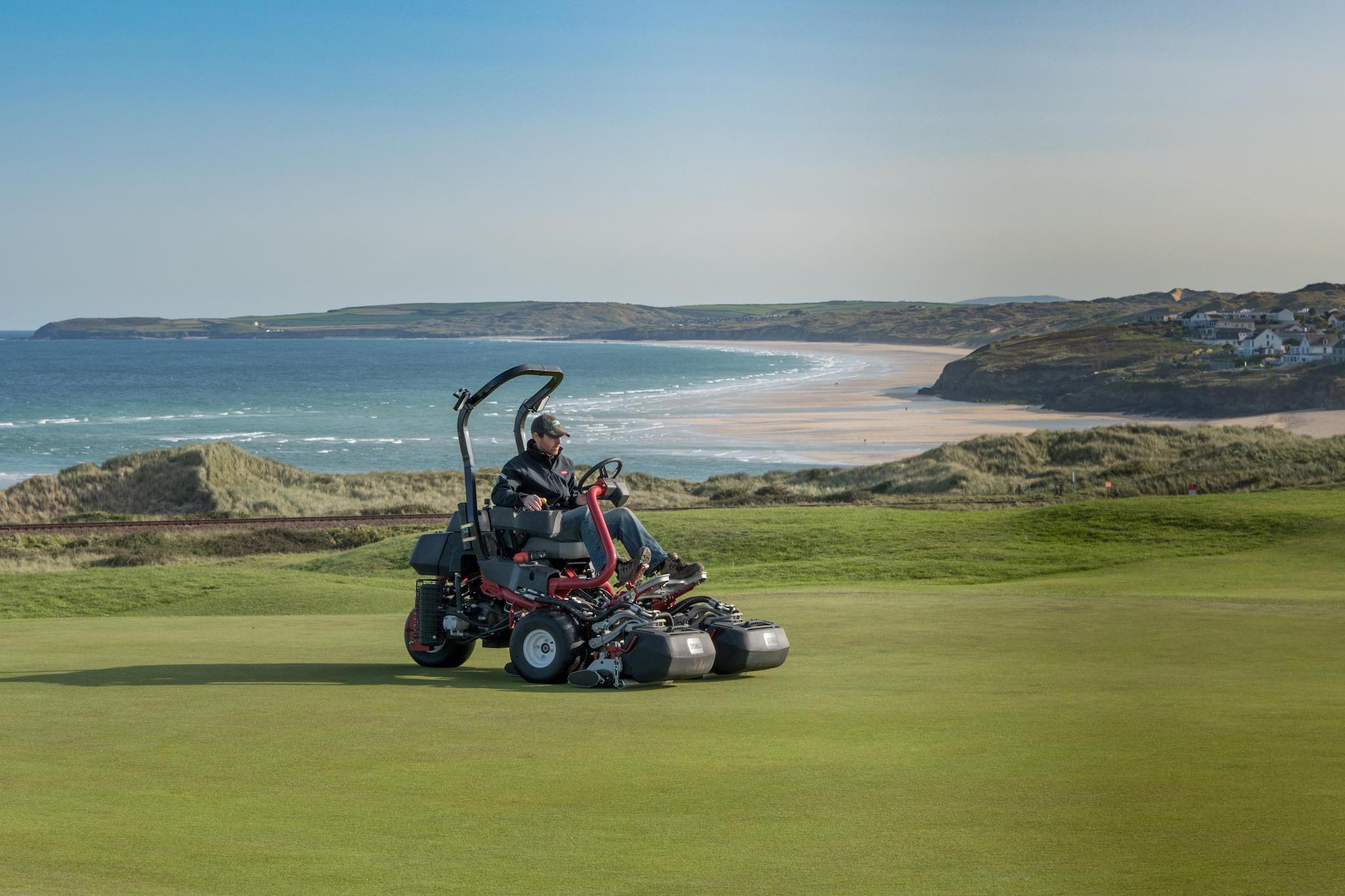
Different grasses respond differently to mowing height and frequency. Some tolerate closer mowing better than others, which changes mowing plans and mowing windows. On golf courses, where presentation and consistency matter, mowing strategy is often tightly linked to the grass type in each area of the course.
In practical terms, that means your machinery needs to match the surface. Toro’s mowing range covers everything from very low heights of cut on greens – for example, the Greensmaster TriFlex 3400 and Greensmaster TriFlex 3320 have a height-of-cut range down to 1.6mm for greens – through to higher settings for fairways and longer turf, with heights of cut up to 25.4mm available on different machines.
2. Recovery windows and overseeding
If a surface needs to recover quickly after wear and tear, fast establishing grasses can help you restore cover during the season, not just in the off-season. That’s why many pitch programmes plan for renovation as part of the year-round calendar, not as a once-a-year job.
3. Disease pressure, weeds and inputs
Grass species and seed blends influence disease resistance and how easily weeds move in when turf is thin or stressed. That’s why maintenance, irrigation, and surface management need to match the grass type and the conditions – not just the sport. The goal is always the same: keep turf healthy and resilient so the playing surface stays consistent.
4. Drought tolerance and stress management
Dry spells can challenge natural grass, particularly on free-draining sites. Species choice influences how the surface copes with stress, and how much intervention is needed to maintain performance and cover. Even in the UK, water management has become an increasingly important factor in planning and maintaining reliable sports surfaces.
The importance of matching the plant to the intended job
The right grass type depends on the sport, site, playing season, and the maintenance input available. If you’re reviewing surface performance, maintenance requirements, or the machinery setup needed to keep your turf delivering consistently, then Reesink can help.
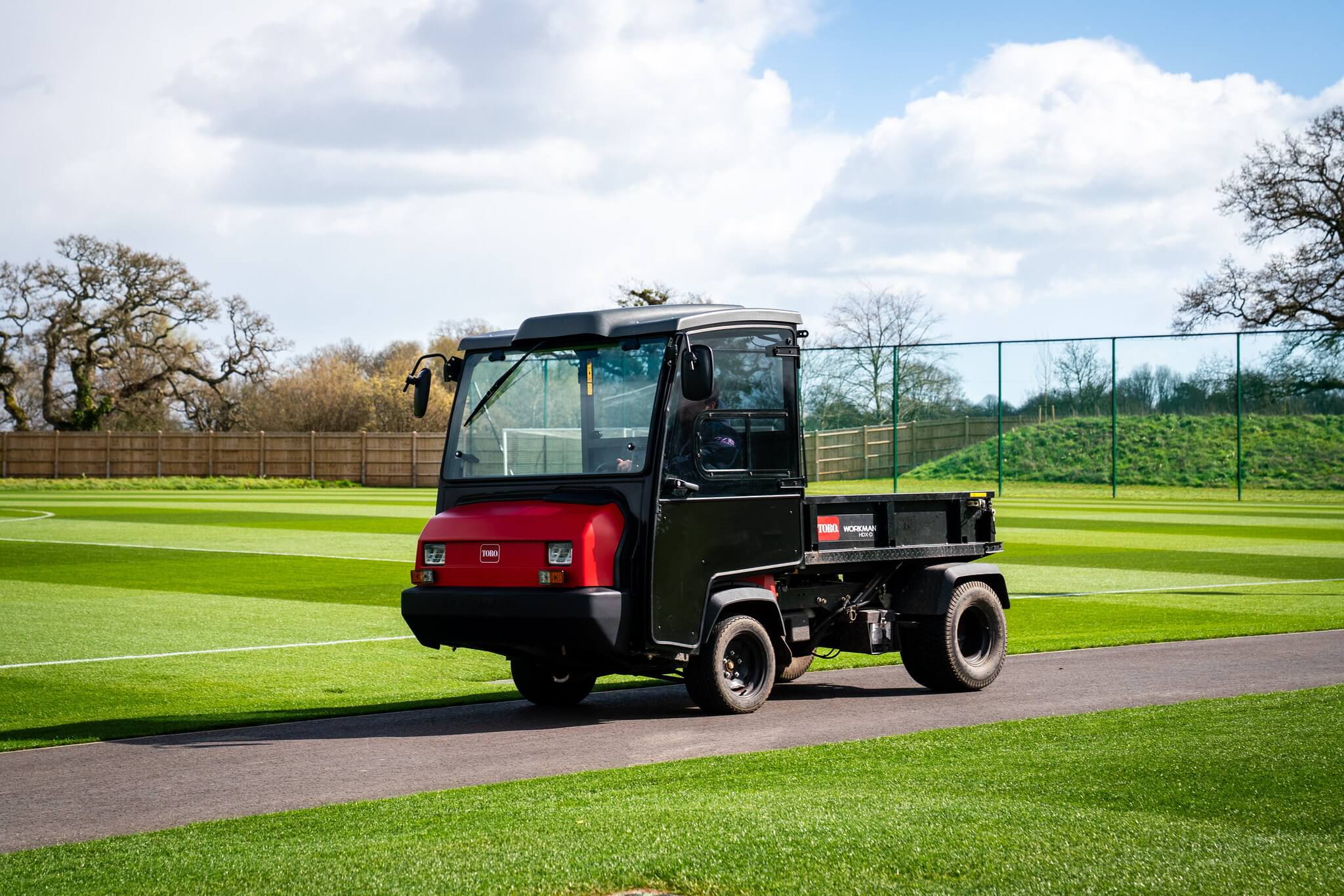
We work with golf courses, sports clubs, and venues across the UK to help them match equipment and their maintenance strategy to the demands of the playing surface, so you can protect standards, make the most of resources, and keep your surfaces performing through the season.
If you’re looking to improve your sward, speak to a Reesink specialist or call 01480 226800 to explore how Toro mowers can support your approach to turf management.