A guide to heat stress turf management: how to protect your turf and teams during hot weather
This year’s heatwaves have given us plenty to think about. From dry turf and playing surfaces starving for water to the additional challenges of working outdoors when temperatures rise, this summer has shown just how quickly normal maintenance routines can be put under pressure.
And with a strong El Niño forecast to bring more hot weather and dry periods in the upcoming year, now is a good time to take stock of what the past months have taught us. After all, it may only be a matter of months before we are facing similar conditions again.
The good news is that a little preparation can go a long way. In this article, we explore how successful heat stress turf management involves recognising signs of stress early, using water wisely, adapting mowing practices to the warmer weather and making sure your staff can work safely even in challenging hot conditions.
How to spot signs of heat stress early
The first step in managing turf during extreme heat is recognising early signs that your grass is struggling. Heat stress, for instance, can cause turf to lose colour, wilt and thin out as the roots struggle to access enough moisture, while affected surfaces can become hard and dry.
Some symptoms are easy to spot, but others can be more subtle. That’s why regular inspections and knowing which parts of a site are usually affected first is critical.
For example, heavily trafficked areas tend to show signs of wear more quickly and take longer to recover, while areas exposed to more sunlight may behave differently from shaded sections. The earlier a problem is identified, the more options a team has to respond.
Key areas to monitor in sports pitches
On sports pitches, high-traffic areas like goal mouths, centre spots and touchlines are already under considerable pressure during a normal playing schedule. But when turf is also dealing with intense heat, its ability to recover can be reduced even more, increasing the likelihood of heat stress.
This means that sports pitch drought maintenance shouldn’t treat the entire pitch in the same way, but focus where the greatest pressures are.
And when possible, reducing unnecessary traffic on those vulnerable areas can also provide invaluable help for recovery. The goal is to maintain a surface that remains safe and playable without asking stressed turf to do more than it can reasonably withstand.
Key areas to monitor in golf courses
The same principles apply to golf courses, but a few variables are different here.
A golf course comprises multiple playing surfaces, each with its own professional maintenance requirements. Greens are more prone to heat stress because they are mowed short and frequently, while tees are particularly vulnerable because they experience high foot traffic. Fairways, instead, cover much larger areas, so they can be harder to irrigate consistently during prolonged dry weather.
This means golf course heat stress cannot be managed with a one-size-fits-all approach. Course managers need to understand how different areas of the course respond to heat and where intervention will have the greatest benefit.
And while presentation remains important, the priority during extreme weather should be maintaining healthy turf and playable surfaces rather than trying to preserve an immaculate course aesthetic. This could entail managing golfer expectations and normalising sights like brown fairways and roughs.
How to optimise water management
When turf starts to dry out, the intuitive response is to increase the amount of water used for irrigation. But during periods of intense heat, this approach isn’t always right. Good water management means understanding where water is needed, how much is required and when it will be most effective.
Track moisture
Monitoring soil moisture with advanced turfRad sensors, for instance, can help teams identify struggling areas before visible symptoms appear on the surface and determine with great accuracy when different parts of a venue are drying at different rates.
Water at the right time
Timing matters too. Irrigating early in the morning can help reduce losses through evaporation and improve water absorption in the root zone. Teams should keep an eye out for run-off, which can indicate that water is being applied faster than the soil can absorb it and is often caused by soil compaction.
Maximise irrigation precision
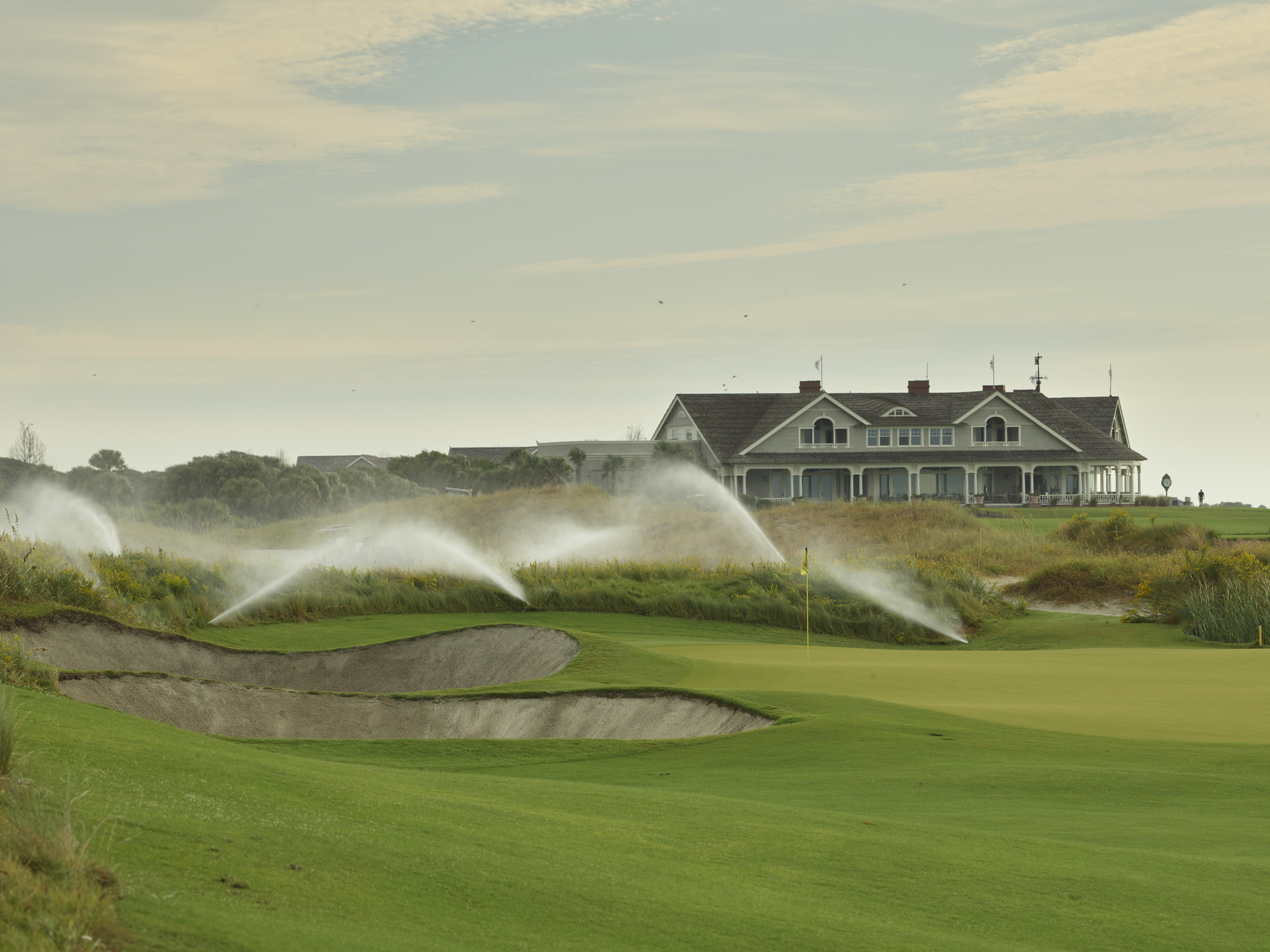
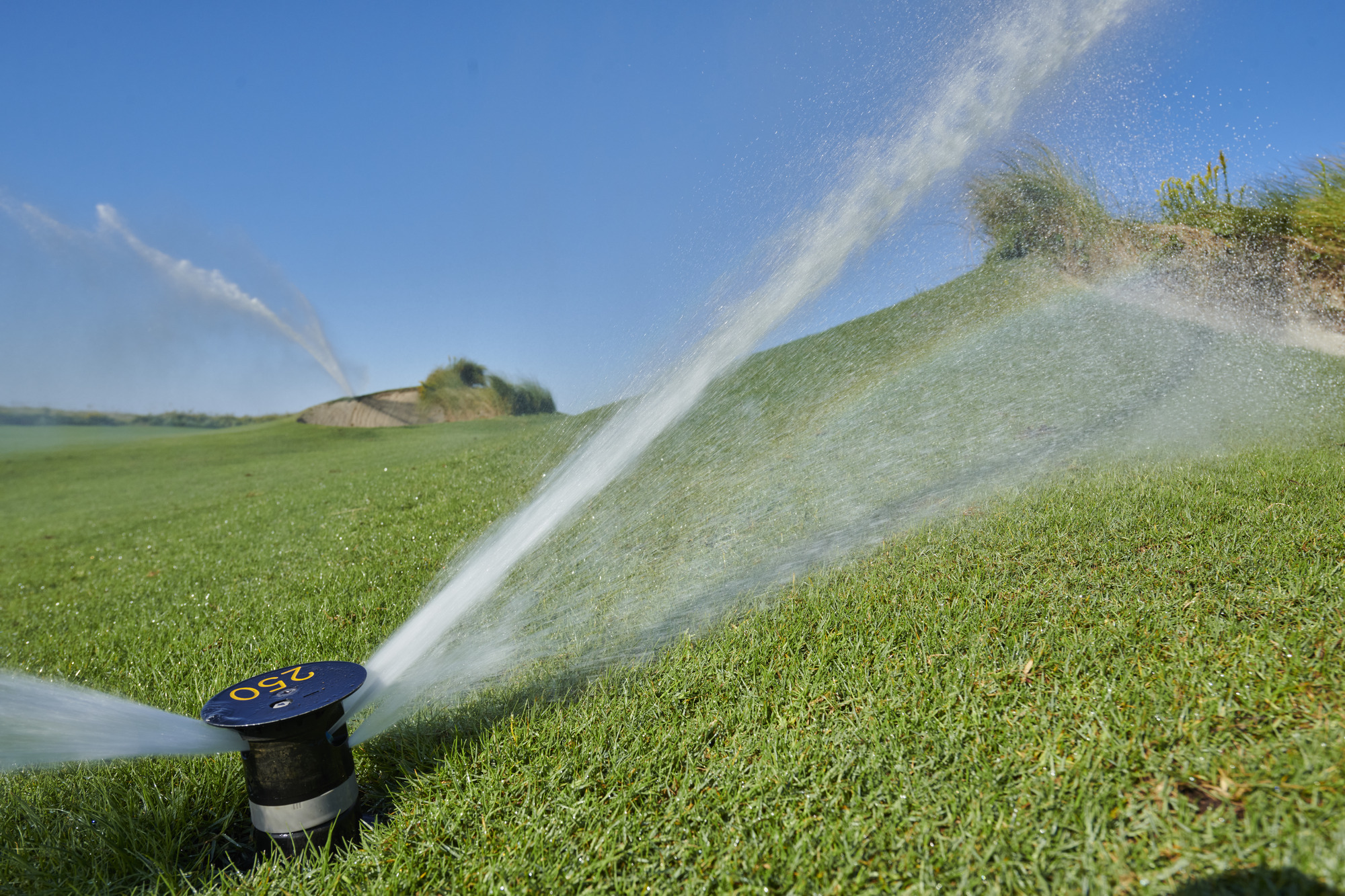
For larger venues, specialised technology can also play a vital role in making irrigation more efficient. Systems such as Toro’s Lynx Central Control allow teams to manage water distribution with sub-inch precision while helping them make more informed decisions about when and where to irrigate.
The objective is to make the most of each water drop, supporting turf health while avoiding unnecessary waste – especially when, in extreme cases, access to water could be temporarily limited.
How to adjust mowing to reduce stress on turf
Mowing programmes may also need to be adjusted when temperatures rise. For instance, when plants are already experiencing environmental stress, removing more leaf than necessary may exacerbate the problem.
Raising the height of cut, instead, leaves a larger grass blade area for photosynthesis, which supports nutrient absorption, and further protects the soil from direct sunlight, reducing evaporation and helping retain moisture.
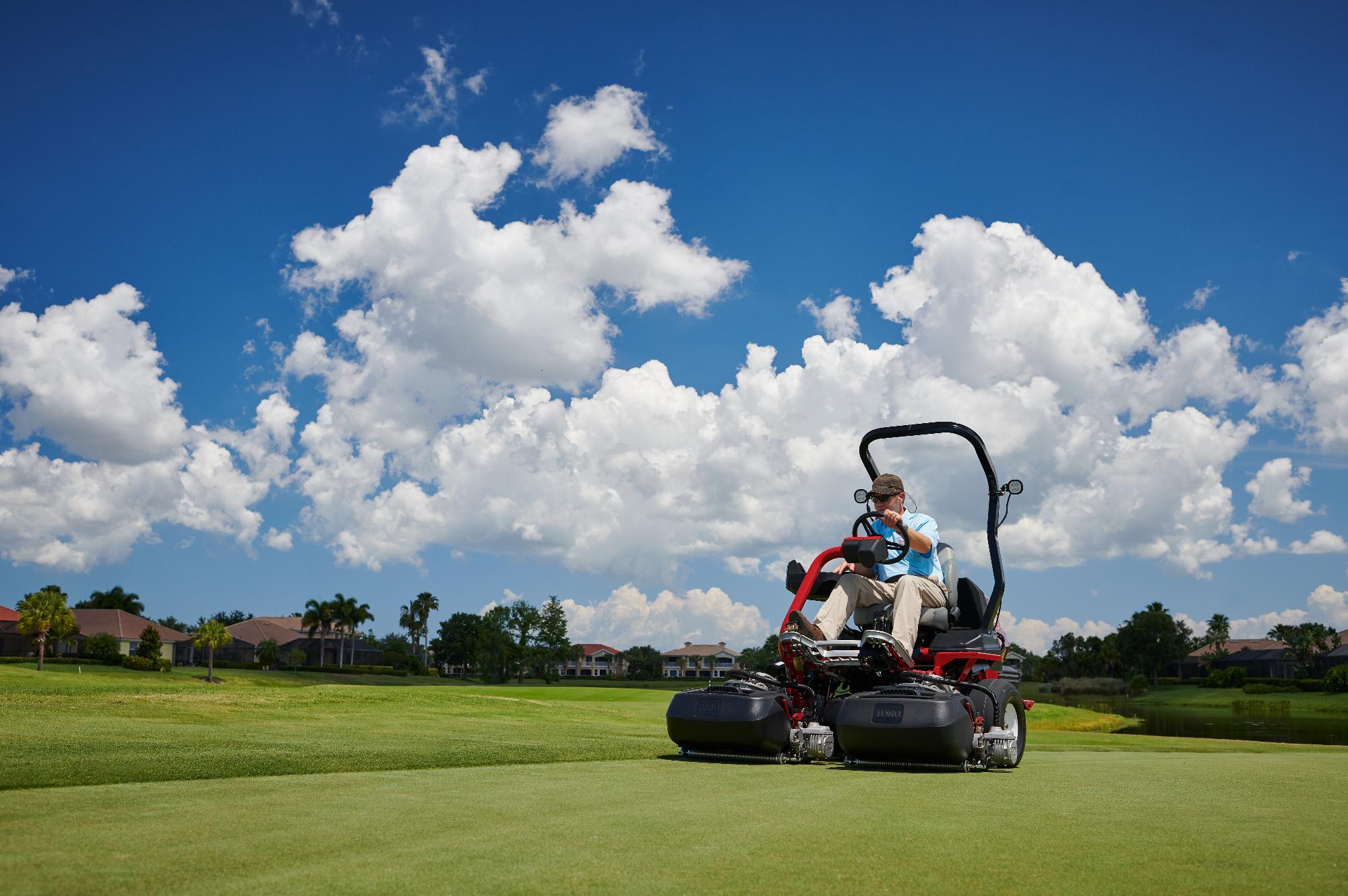
Whenever compatible with other priorities, teams may also need to reconsider mowing frequency and avoid unnecessary passes over areas that are already showing significant stress, as turf growth and recovery is significantly affected during times of drought. Instead, if you need to improve the surface smoothness of your greens and tees, consider turf rolling with a machine like Toro’s new GreensPro e1700, which is engineered to minimise turf stress.
Cutting quality remains important, too. Sharp cutting units, designed to fit your machine perfectly, help achieve a clean cut rather than tearing and unnecessarily damaging the leaf. Toro parts like genuine cylinders and genuine bedknives last longer, minimising costly repairs, and are essential to deliver clean cuts, reducing turf stress and delivering an impeccable finish.
How to protect workers from high temperatures and heat exhaustion
There is another side to heatwave maintenance that deserves just as much attention: your people’s safety. Grounds teams and greenkeepers are used to working outdoors for long periods, but during extreme heat, those normal working conditions increase the challenge and even threaten your team’s health.
That’s why working safely during the warmer months of the year should be treated as part of the maintenance plan, not an afterthought. Here are a few ways to help them.
1. Move demanding tasks during cooler hours
Where possible, starting earlier or spreading work into the evening can help ensure physically demanding tasks are carried out in cooler conditions. Electric machinery like the Toro Greensmaster eTriFlex 3370 or the Workman LTX Lithium can support this approach too, with quieter operation that makes early-morning or evening working more practical, particularly around noise-sensitive areas.
2. Avoid unnecessary heat exposure altogether
Autonomous mowing offered by Toro’s Turf Pro 500 or the Greensmaster eTriFlex 3360 with GeoLink Mow can take this a step further. With no operator required while the machine is working, routine mowing can take place during the hottest parts of the day without putting a member of the grounds team in direct heat.
3. Encourage proper hydration
Proper hydration is vital to replenish the fluids lost through sweating – after all, if World Cup athletes need extra breaks to hydrate, your team does too! Staff should have easy access to cool water consistently throughout the working day, rather than relying on being able to take a drink only during scheduled breaks.
4. Create a fair schedule
Task rotation can also help reduce the amount of time any individual spends carrying out strenuous work in direct sunlight or high temperatures. Managers should also keep an eye out for signs that someone is struggling and make sure team members feel comfortable speaking up if conditions become difficult.
Helping turf recover after the heatwave
Once temperatures begin to fall and turf has started actively growing again, the focus can shift from protecting stressed grass to helping it recover. This is where practices such as aeration, topdressing and overseeding can work together as part of a planned recovery programme.
Start with aeration where compacted soil restricts water and air circulation towards the rootzone. Aeration can help open up the soil and create better conditions for recovery, particularly in high-wear areas of sports pitches and golf courses.
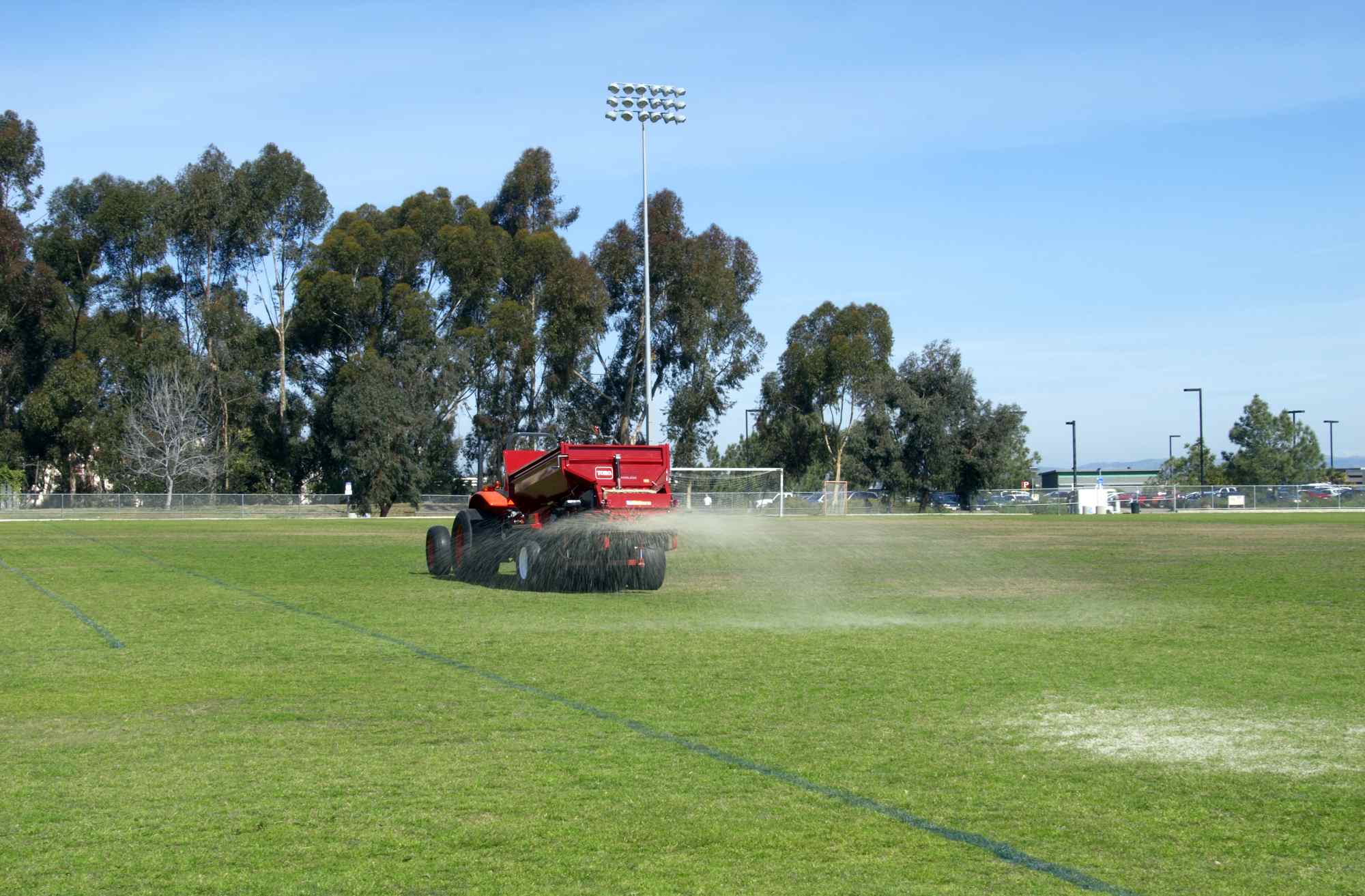
Topdressing can then complement this process. A machine like the Toro ProPass 200 enables your team to fill the small holes dug by aeration with extremely accurate sand mix applications, gradually improving the soil structure and creating a better environment for the growth of new seed.
Overseeding provides another opportunity to rebuild your turf density, especially where bare patches have appeared. It’s important to remember that not every surface will need all three treatments: assess the condition of the turf first, then consider factors such as grass species, soil moisture, wear levels and weather forecast before deciding what intervention is appropriate.
A partner to weather any season
This year’s heatwaves have shown just how quickly extreme weather can disrupt turfcare operations. While you can’t control the weather, you can control how prepared you are for it.
With the lessons of this summer fresh in mind, now is the time to start planning for the next one. From making informed decisions about irrigation and mowing to recognising when turf or staff need a break, having the right knowledge, equipment and support can make all the difference.
As the UK’s Toro distributor, Reesink Turfcare works with golf clubs, sports venues and grounds teams across the country, providing the machinery, irrigation technology, genuine parts and specialist advice needed to keep turf performing in challenging conditions.
Want to prepare your turf for whatever the weather brings? Call 01480 226 800 or get in touch to speak to our team about your turfcare requirements.