Want to work on a golf course? Here’s how to become a greenkeeper
Are you considering a career in greenkeeping or know someone who is? This guide to golf greenkeeping is for you.
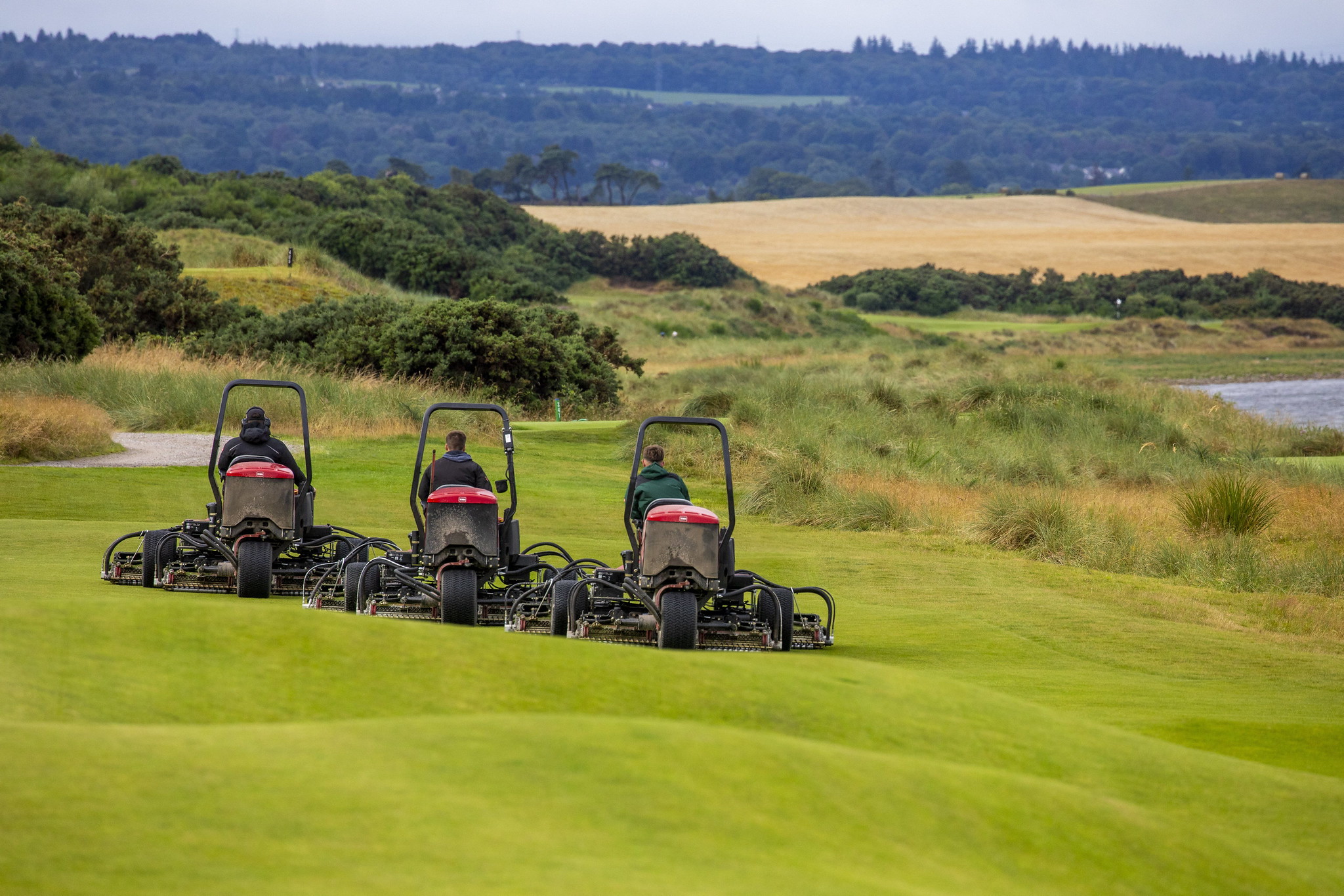
Greenkeepers work year-round to keep turf immaculate and produce top playing conditions for golfers. Once reliant entirely on manual labour, technological advancements require a new skillset and technical training while still utilising traditional greenkeeping knowledge.
Read on for tailored advice on the core skills, knowledge, and behaviours needed to make greenkeeping your living.
Getting started in greenkeeping
A golf greenkeeper’s role is exactly how it sounds: overseeing golf course maintenance, care, and management. Greenkeepers spend most of their time working outdoors through every season, ensuring all areas of a golf course, including greens, tees, fairways, approaches and roughs, are well looked-after.
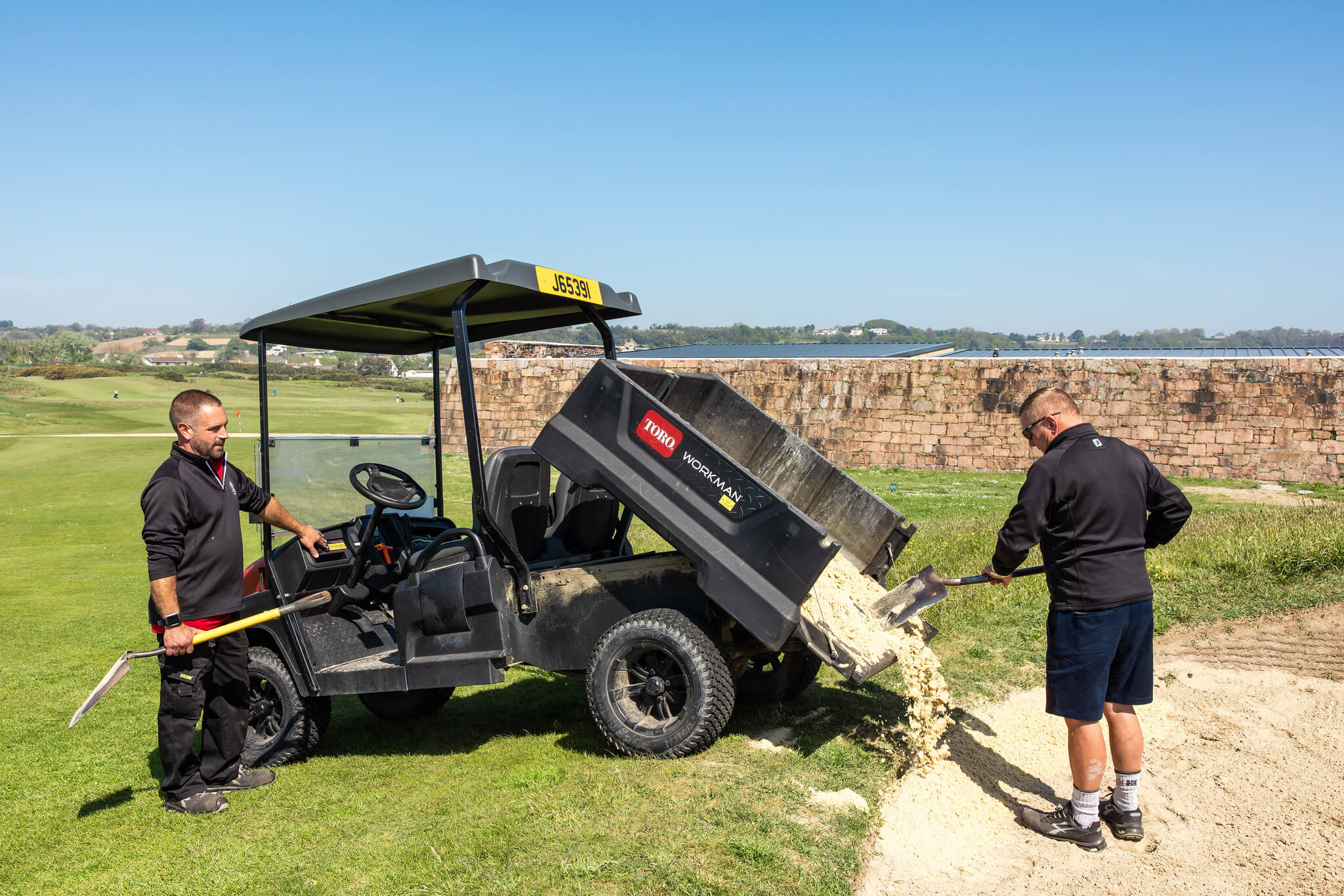
Duties would generally involve turf repair and treatment in line with your employer’s requirements, like bunker maintenance, overseeding, topdressing, planting trees, and aerating.
Other key areas of this role include:
- Drainage and irrigation maintenance
- Environmental and ecological operations, such as developing wildlife habitats
- Pest control
- Specialist equipment and machinery management
- Health and safety measures
For golf greenkeeping, the main aim is to develop a good-quality playing surface, ensuring the green speed is right for the club, and the bunkers and fairways are in good condition. Ultimately, you’re working to provide an enjoyable experience for golfers, so they can focus on the game, not the ground.
A day in the life of a golf greenkeeper
The exciting thing is that no two days are the same. Depending on the season or setting, you might control weeds, renovate bunkers, or perfect your cutting techniques. You could be asked to:
- Establish turf and plants
- Perform turf treatments, such as removing early morning dew
- Prepare ground using integrated methods that enable sustainable practices
- Reposition the pins
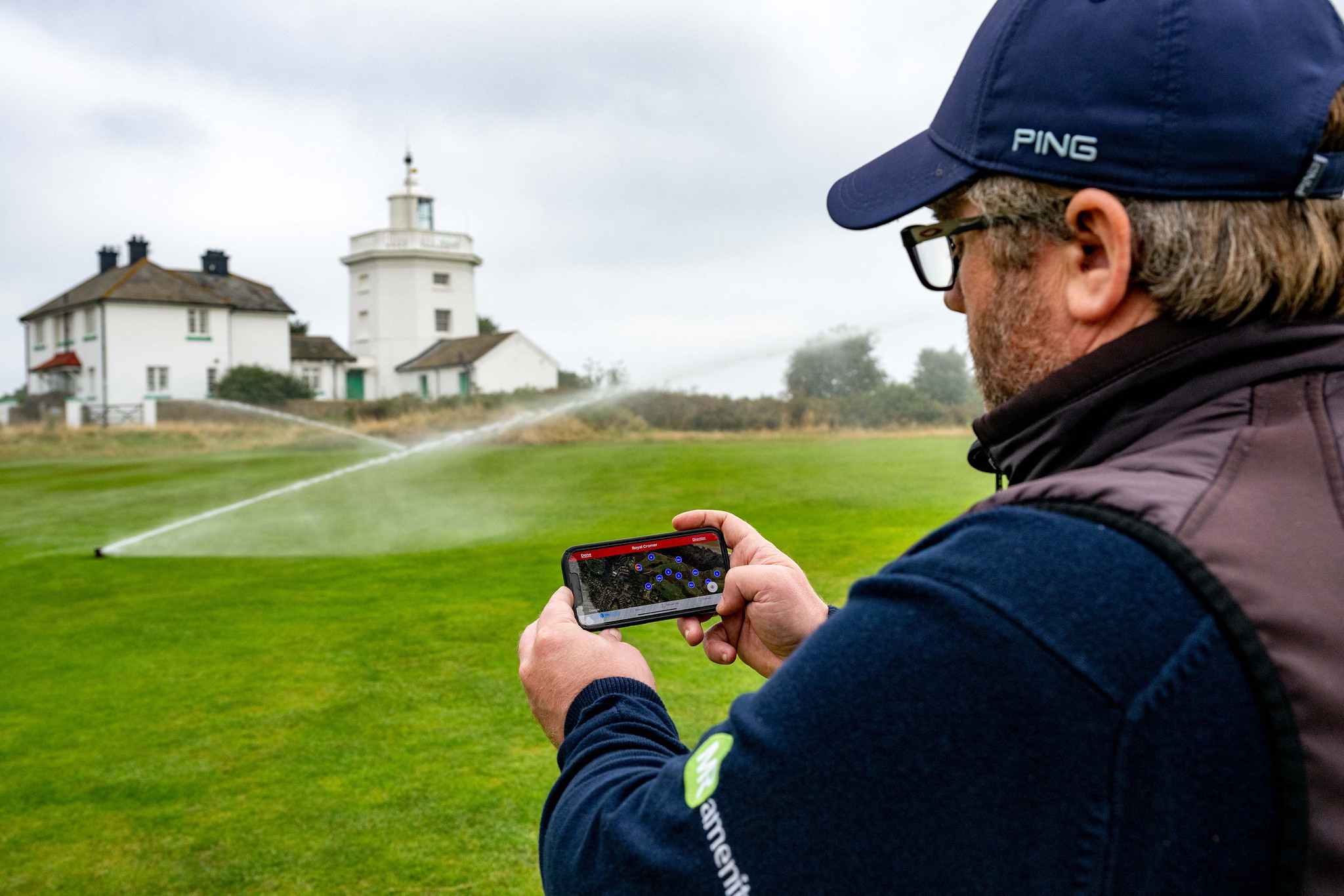
- Adjust the sprinkler trajectory on the greens to prevent pooling
As well as turf management, greenkeepers also tend to drainage and irrigation systems to help strengthen the grass plant’s drought resilience. This can also prevent waterlogging and stagnation that can make the ground harder to play on, and plant disease such as dollar spot and brown patch.
What’s the difference between a greenkeeper and a groundsperson?
There’s a lot of crossover with the duties of greenkeepers and groundspeople, but they work across different areas and for different employers.
While golf greenkeepers typically work for golf courses or hotels with golf facilities, groundscare professionals work for municipalities, local authorities and councils, or any other organisation that maintains public green spaces and leisure areas such as sports arenas, parks, and estates.
Interested in learning more about becoming a groundsperson? Read our guide on kickstarting a career in groundscare.
What are the necessary skills required for greenkeeping?
The most important qualities you need for a career in greenkeeping are enthusiasm, drive, and a willingness to learn.
Having a genuine interest in turf maintenance will make the job much more enjoyable for you, as well as helping you gain new work. While in-depth technical knowledge is needed, that can be learnt along the way.
The core skills a golf greenkeeper needs are:
- Physical endurance – for working long hours, doing what can sometimes be intensive manual labour.
- Attention to detail – making regular assessments to see where turf has subtly changed and planning ahead to prevent turf disorders.
- Teamwork – collaborating with others to produce quality playing surfaces.
- Passion for the outdoors – an appreciation for nature and working outdoors is vital.
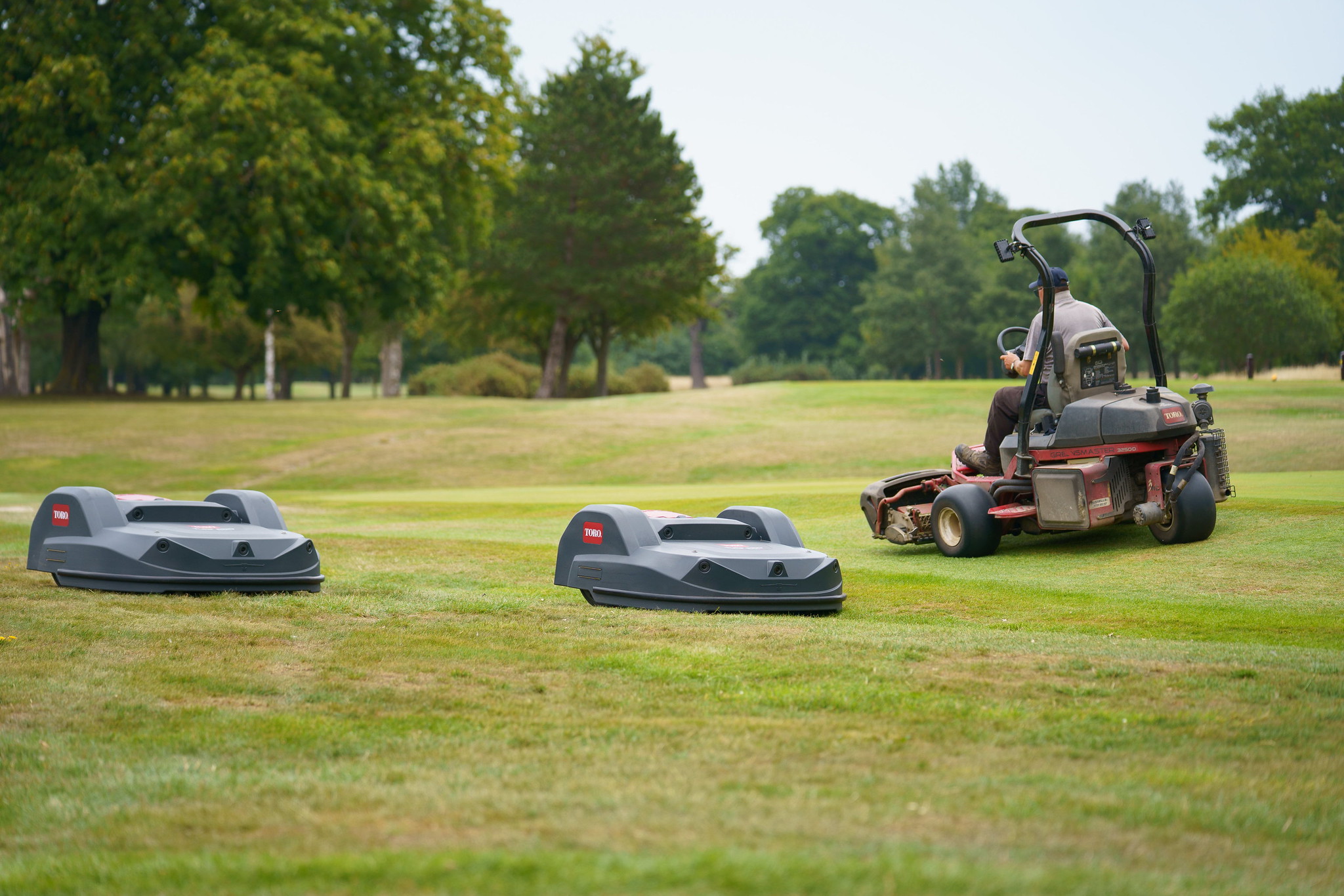
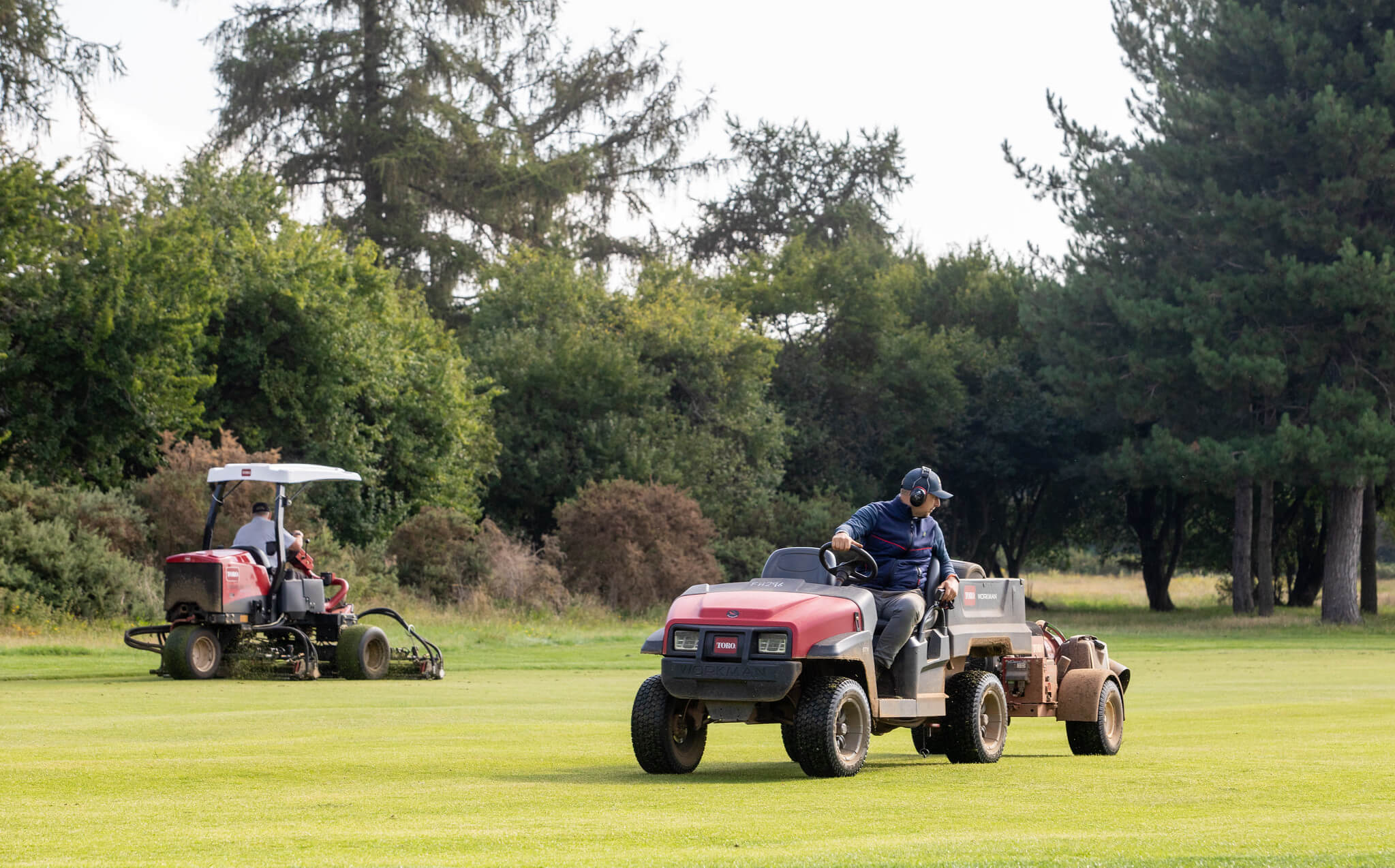
- Technological aptitude – willing to learn how to use a variety of tools, including ride-on machines and mowers, irrigation systems, and top dressing equipment.
See what it takes: Student Greenkeeper of the Year Awards winners share their greenkeeping journeys
There are some great initiatives specifically designed to upskill the next generation of greenkeepers, but leading the way is the Toro Student Greenkeeper of the Year Awards, co-founded and sponsored by Reesink Turfcare.

Also co-founded by the British & International Golf and Greenkeeping Association (BIGGA) – Europe’s largest membership organisation for golf greenkeepers – the winning young professionals get the chance to study a variety of sports, not just golf, on a 10-week remote study course, as well as gain coveted industry networking opportunities.
For Jack Vowell, winner of last year’s awards, the awards shaped his early greenkeeping career. “It was a massive honour to win,” Jack shared. “It’s been a door opener already and I’ve been able to meet new people and be part of different projects which I wouldn’t have had the opportunity to do before.”
This year’s finalists are also in with a chance of winning a skill development and networking package. The winner will learn everything from treating turf surfaces to constructing golf course features, and propel forward their greenkeeping career.
Read on to find out how you could enter the sector and start your greenkeeping journey.
Why choose a career in golf greenkeeping?
Greenkeeping has so much to offer. From the wellbeing benefits of working outdoors to the opportunities for career progression, this role has a high satisfaction rate for a reason.
What would your first job be?
Your journey might start off on a greenkeeper apprenticeship, working as an assistant or unqualified greenkeeper, or on a full-time course at a college. However, if you’re changing careers, say from landscape gardening, you might have the technical knowledge to start as an assistant greenkeeper or senior greenkeeper, and gradually rise through the ranks.
Regardless of your point of entry, if you want to dip your toe in and see if greenkeeping is for you, why not volunteer at your local golf club? Gaining practical training and experience, such as pursuing professional courses and qualifications, would serve you well throughout your career.
What progression opportunities are there in sports turf management?
There’s currently a huge push to increase the greenkeeping workforce. The National Careers Service predicts an increase in demand for groundspeople and greenkeepers in the next few years, leaving plenty of opportunity for new starters to enter the sector.
Career growth in the greenkeeping industry is also promising. There’s clear career progression within the roles available at most clubs and a course manager or head greenkeeper can command extremely competitive pay.
A recent workforce salary survey from BIGGA shows that greenkeeper salaries have risen above inflation, with course managers on average earning just over £48,000, ranking second highest among other trades in the UK.
2023 Student Greenkeeper of the Year Awards winner Michael Russell quickly progressed to the role of deputy head greenkeeper at Poulton Park Golf Club in Warrington in a matter of months, overseeing a full Toro fleet and gaining significant learning opportunities.
Michael advised anyone interested in entering the awards to go for it, highlighting the opportunities to network: “Don’t hesitate. Regardless of whether you win the award, simply applying shows to current and future employers your interest in continuously professionally developing.
“Moreover, you network with people who have the same passion and dedication to their professional development as you. This can be an inspiration and platform to progress to where you want to be.”
How to become greenkeeper-ready
There are many ways to prepare before you enter the greenkeeping industry, gaining the skills needed to pursue this rewarding career, and once in the industry, you can continue to improve and strengthen your knowledge. Let’s explore the various avenues into the sector.
1. Complete an apprenticeship
One common route is combining on-the-job learning with formal teaching. Apprenticeship programmes offer budding greenkeepers training sessions packed with theory learning, building a knowledge base that can then be put to use in practical applications.
The apprenticeship sits alongside a traditional job role, culminating in an end point assessment. Different apprenticeships will have different requirements, combining onsite learning with classroom teaching to help you learn golf greenkeeper best practice.
2. Find relevant training providers and qualifications
Helpfully, the Greenkeepers Training Committee, the recognised UK greenkeeper training industry body, provides a current list of approved training providers.
You might choose to study a full-time higher education course or gain work-based qualifications. Recommended training providers deliver courses and qualifications that meet a rigorous standard of teaching and assessment, measuring personal performance and technical knowledge.
3. Continuing professional development
For those transitioning from an adjacent industry, there are many ways you can renew your existing knowledge while expanding your understanding of greenkeeping.
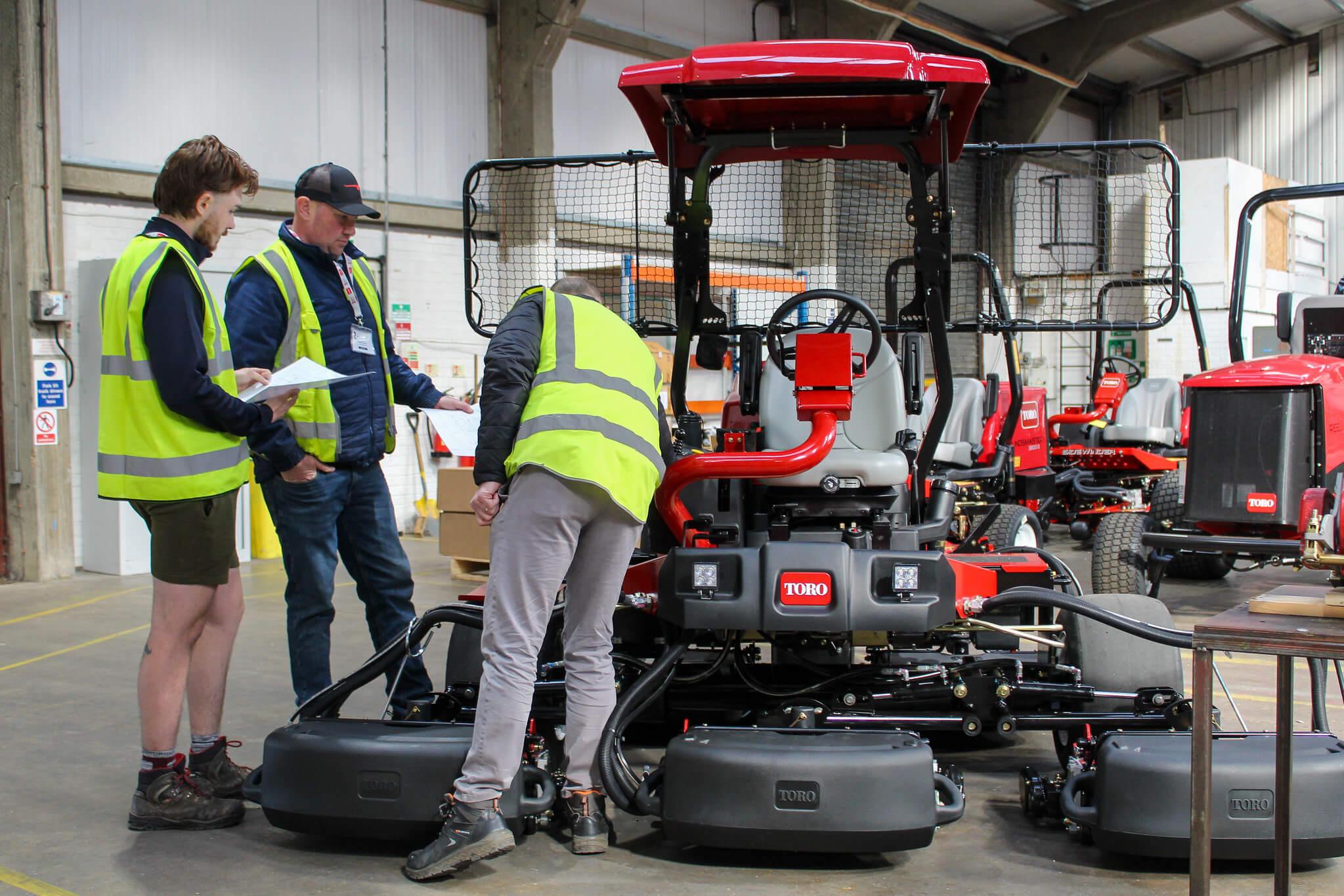
For example, Reesink Turfcare offers turfcare machinery training courses, from mechanics training to ride-on mowers operator training, which give you a deeper understanding of using and maintaining Toro machinery through one to two days of training and assessment.
Master Greenkeeper Darren Anderson, Reesink Turfcare Dealer Development and Key Accounts Manager – South, has 33 years’ experience in golf course and club management roles.
He shared his insights for expanding greenkeeping knowledge through training, networking, and work experience: “The sports turf industry is a great sector, with so many opportunities for personal development. Throughout your journey, take any opportunities you’re offered to broaden your experience, making the most of organisations like Reesink Turfcare, BIGGA, or the R&A for scholarships and training programmes.
“Work experience such as tournament support is also key to today’s greenkeepers’ development, giving the chance to network and make lifelong friends within the industry. Likewise, awards and competitions like the Toro Student Greenkeeper of the Year Awards have global recognition and will massively help in opening doors in the future.”
Registering for a course or apprenticeship, researching industry trends, and networking with fellow professionals are all great ways to maintain strong greenkeeping knowledge. These will all be key parts throughout your progression as a greenkeeper.
Embark on a career in golf greenkeeping

Forward-thinking initiatives like the Student Greenkeeper of the Year Awards awards reflect the industry-wide drive to support talent. And if you’re interested in starting your greenkeeping career, Reesink Turfcare has current resources on emerging trends and technologies that are useful to know.
To find out more, please get in touch with us on 01480 226800 or email info@reesinkturfcare.co.uk.