
The true cost of cutting corners: why genuine parts are winning back ground
In an industry defined by precision, performance, and presentation, the smallest components often carry the greatest weight. Yet, in recent years, purchasing decisions across turf maintenance have increasingly been driven by one dominant factor: price.
Rising operational costs, tighter budgets, and ongoing economic pressure have pushed many operators toward so-called ‘will-fit’ parts — aftermarket alternatives that promise compatibility at a lower upfront cost. On paper, the proposition is simple: spend less, maintain output, and protect margins.
But on the ground, the reality is far more complex.
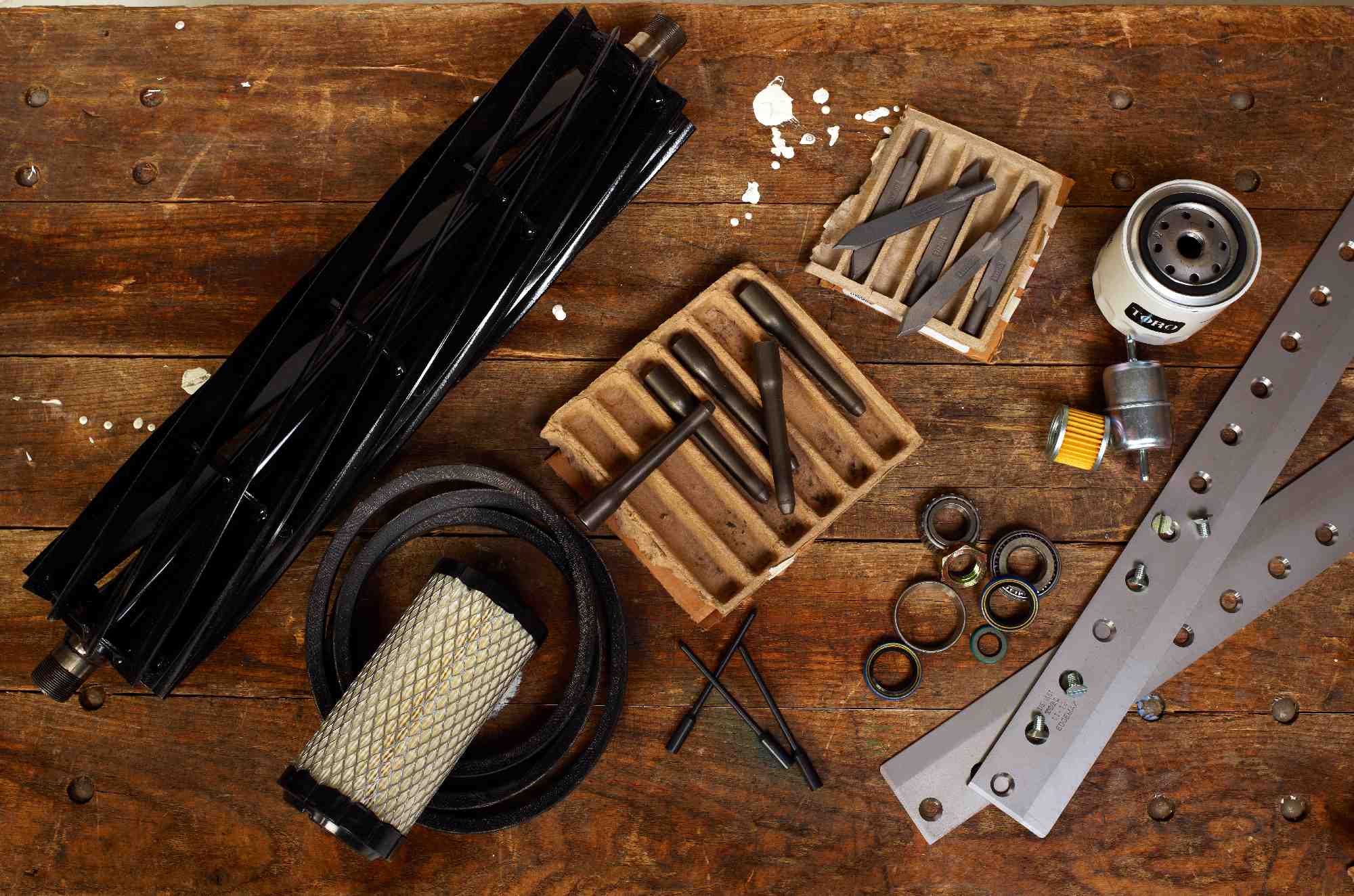
Toro Genuine Parts are manufactured to strict quality standards, ensuring consistency across the board.
Beyond the invoice: understanding Total Cost of Ownership
When it comes to parts – particularly within cutting systems – the difference between cheap and cost-effective becomes impossible to ignore over time.
For many, the appeal of will-fit parts is immediate and visible. A lower purchase price offers quick savings, especially across high-turnover items. For operations managing multiple machines or large estates, those savings can appear significant. However, this perspective captures only a fraction of the true cost.
Total Cost of Ownership (TCO) – arguably the more meaningful metric – extends well beyond the initial transaction. It includes lifespan, performance consistency, maintenance frequency, labour input, machine wear, and ultimately, downtime. And it is here that the gap between genuine and will-fit parts begins to widen.
Michael Hampton, Supply Chain Manager at Reesink Turfcare, distributor of Toro Genuine Parts in the UK, says: “Aftermarket alternatives are rarely engineered to the same standards as original components. Variations in material quality, manufacturing precision, and finishing can introduce inconsistencies that are not immediately obvious but become increasingly impactful over time.
“The result is often a cycle of compromise: parts that wear faster, require more frequent adjustment, and place additional strain on surrounding components. What begins as a cost- saving measure can gradually evolve into a source of inefficiency.”
In contrast, Toro genuine parts are designed as part of a complete system, Michael confirms, “Toro Genuine Parts are not simply made to fit: they are made to perform in harmony with the machine as a whole. This distinction is critical, particularly in applications where precision is non-negotiable.”
It’s not just the difference in precision and longevity either. After-market blades could be sourced more cheaply in some instances but could also result in noticeably worse fuel economy or a louder deck compared to genuine blades. And in the case of blades, it’s arguable that mechanics will be sharpening after-market alternatives more often than the genuine equivalent – valuable resources and time that have a hidden cost. Each performance part has its own issues, too: for instance, alternative filters can be a high risk fit, potentially with a poorer seal, where saving a little on cost can lead to catastrophic engine failure.
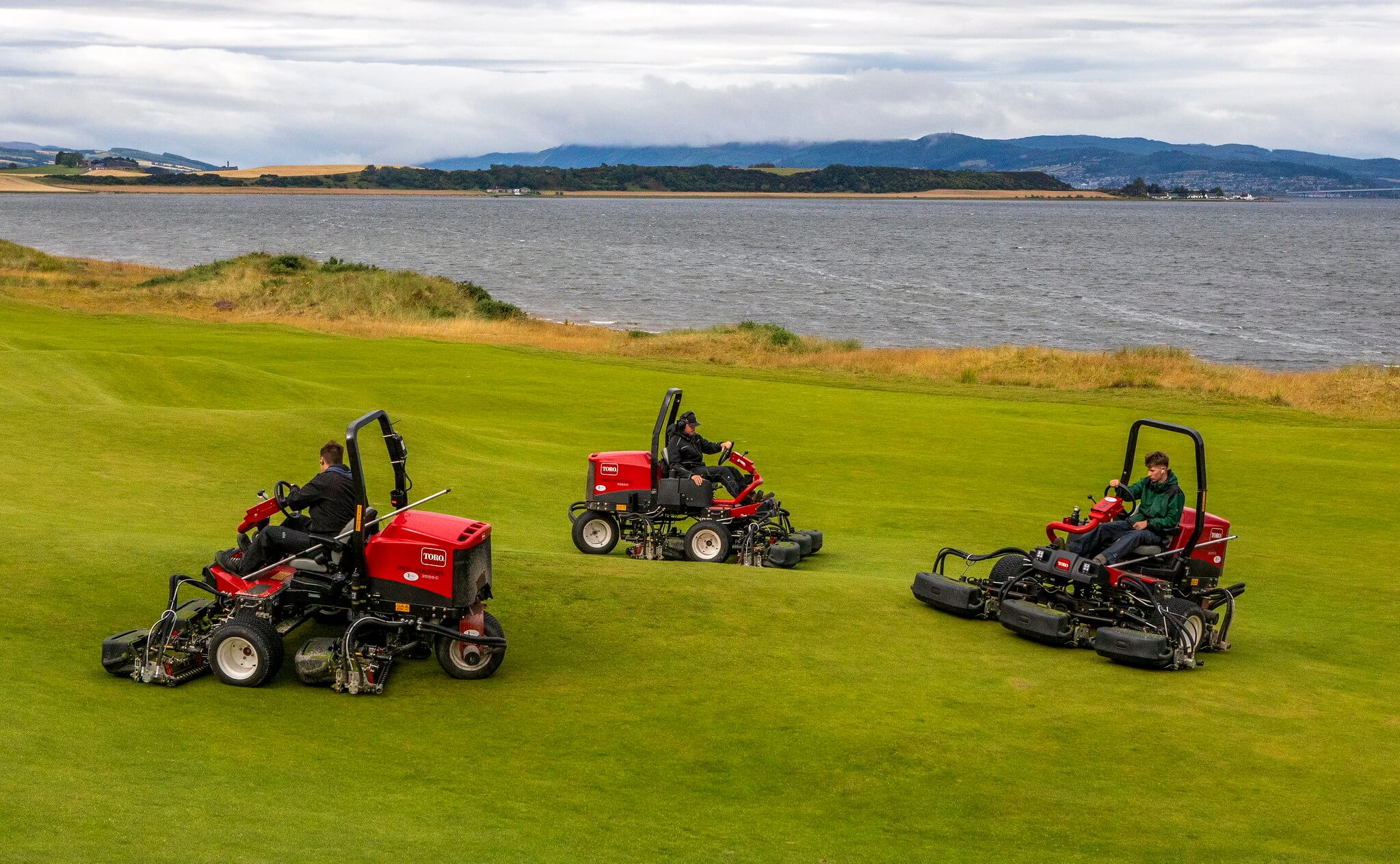
Toro mowers – every component drives the result.
The key components shaping your turf operations
Across any turf maintenance programme, performance isn’t defined just by people and machines.
Central components like bedknives, cylinders, and tines also play a critical role – from delivering a clean, precise cut to managing soil structure and surface condition.
These are not simply commodity parts. They are precision elements that directly influence output, and therefore, represent one of the most important opportunities to balance cost and performance effectively.
Even minor inconsistencies in the way replacement parts work in the cutting unit can have visible consequences such as uneven cuts, bruising, or stress to the plant.

Bedknives: the foundation of precision
In greens maintenance, every clean cut begins with the interaction between the cylinder and the bedknife. This relationship must be exact. Even the slightest deviation in fitting can affect cut quality, increase friction, and accelerate wear.
Genuine bedknives are manufactured to precise specifications, ensuring consistent contact along the full length of the cutting edge. This precision allows for smoother operation, reduced adjustment time, and a cleaner finish.
“Will-fit alternatives, while visually similar, often fall short in this area,” Michael explains. “Variations in flatness, hardness, or edge consistency can lead to uneven contact with the cylinder with operators finding themselves compensating with more frequent adjustments, only to achieve inconsistent results.
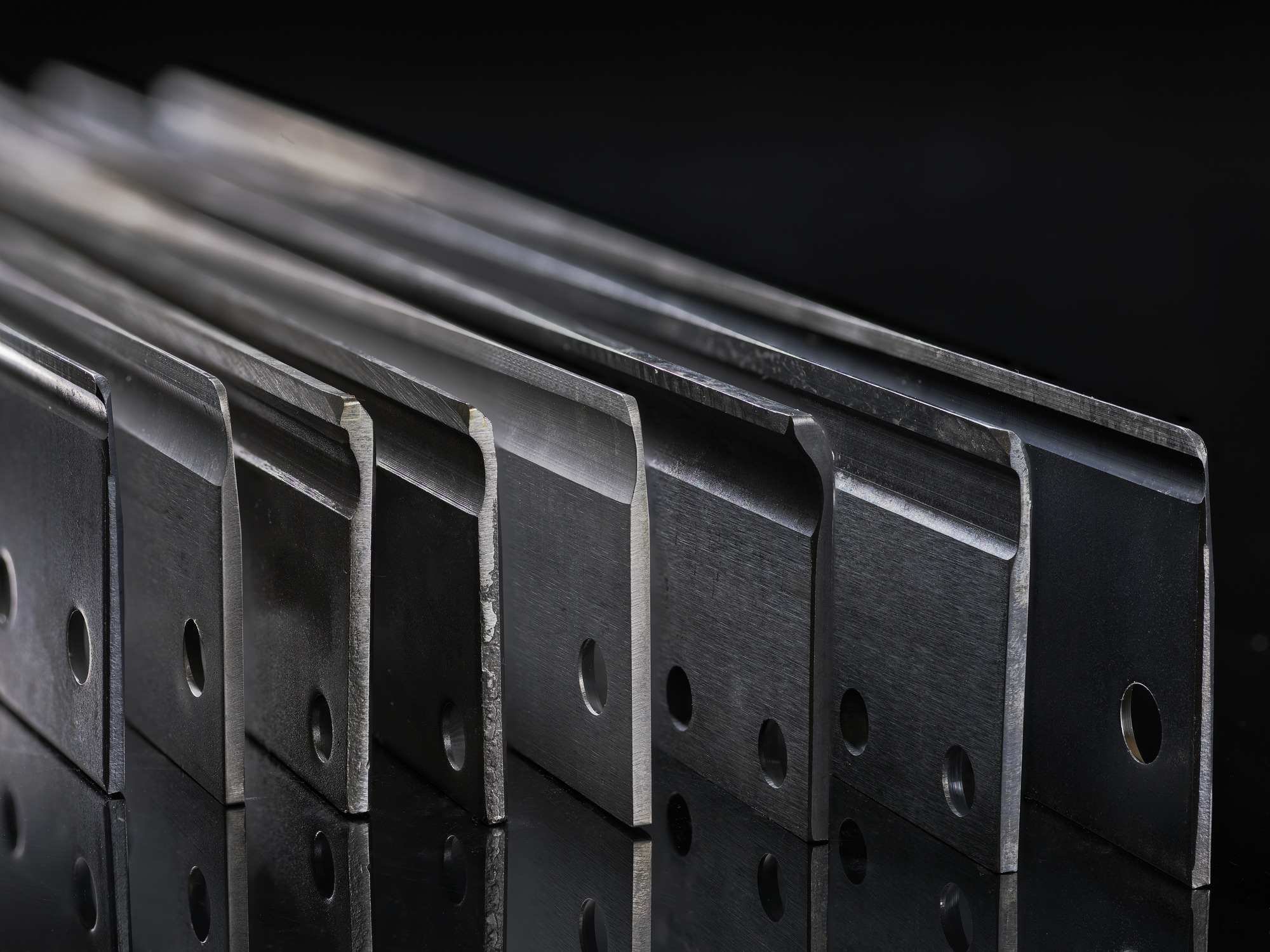
“Over time, this inconsistency doesn’t just affect the quality of cut, it increases labour requirements and shortens the lifespan of both the bedknife and the cylinder.”
In practical terms, what appears to be a saving on purchase can translate into additional hours in the workshop and a gradual erosion of performance standards.
Cylinders: where performance is defined
If the bedknife provides the foundation, the cylinder delivers the action. Responsible for the scissor-like cutting motion that defines turf quality, its balance, geometry, and material integrity are essential to maintaining consistent performance across every pass.
Genuine cylinders are engineered with strict control over these variables. From the engineering of the blades to the precision of the grinding process, every detail is optimised to ensure durability and uniformity.
Will-fit cylinders, by comparison, can introduce variability that is difficult to manage. Slight imbalances may not be immediately noticeable but can lead to vibration during operation. Inconsistent hardness can result in uneven wear patterns, reducing the effectiveness of the cutting edge.
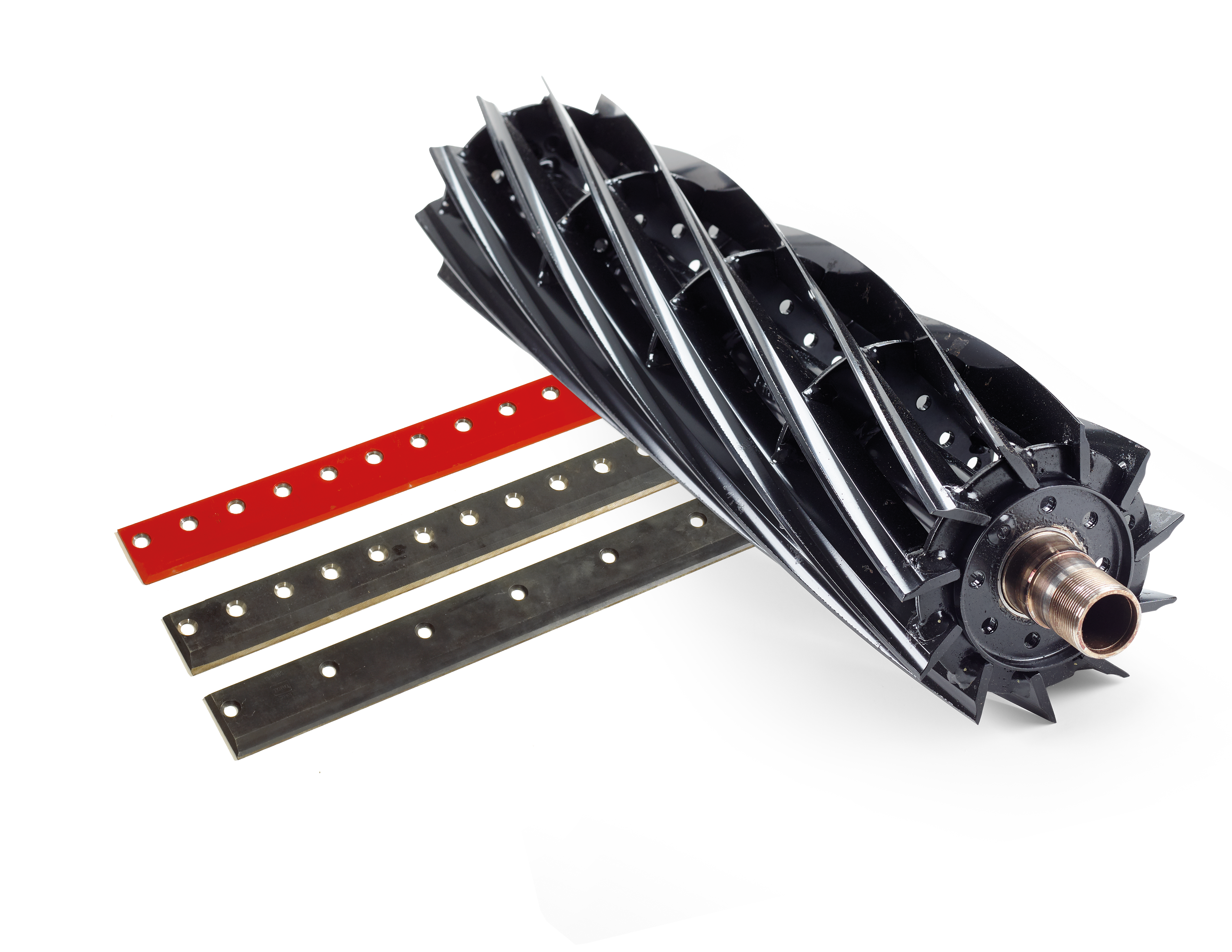
Toro bedknives and cylinders provide the foundation and deliver the action.
These issues often compound: increased vibration places additional stress on bearings and other components, while uneven wear accelerates the degradation of the bedknife. The system, as a whole, begins to lose efficiency.
Michael confirms, “Ultimately, the cylinder is not just another replaceable part, it’s central to the machine’s ability to deliver a consistent, high-quality finish. Compromising here carries consequences that extend far beyond the component itself.”
Tines: small parts, big impact
Compared to bedknives and cylinders, tines may seem less critical: they are smaller, simpler, and often overlooked in broader cost discussions. However, their role in turf maintenance is substantial.
Tines play a vital role in turf aeration, directly influencing turf health, drainage, and playability; their effectiveness depends on strength, durability, and consistency.
Genuine tines are designed to penetrate the surface cleanly and reliably for a clean, crisp hole, maintaining their shape and performance over repeated use. This ensures uniform results and reduces the need for repeat passes.
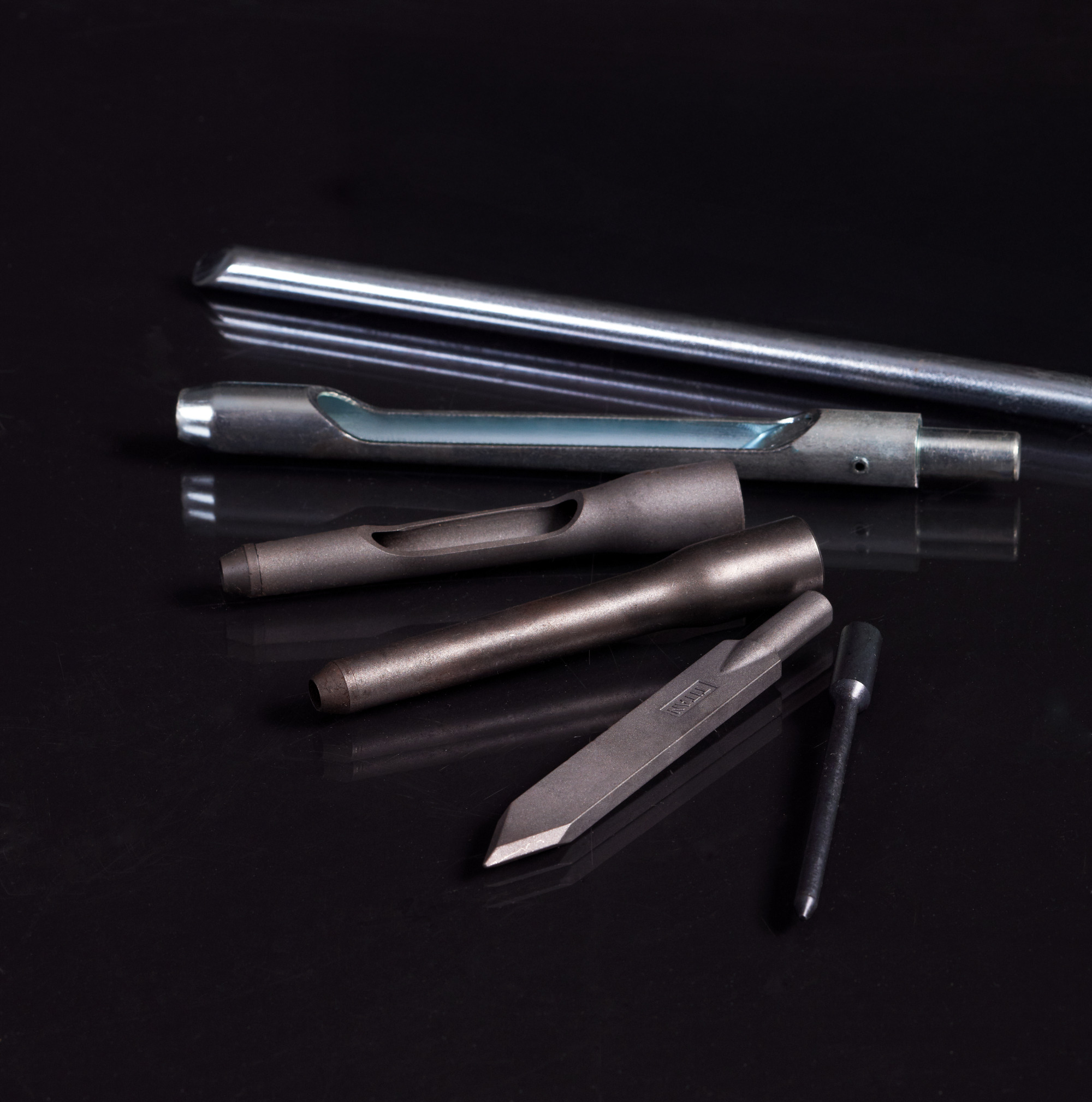
Toro tines deliver precision in every pass.
Will-fit alternatives can struggle to deliver the same level of performance. Inferior materials may lead to bending or premature wear, particularly in challenging ground conditions. This not only affects the quality of the work but also increases the time required to achieve results.
When multiplied across an entire site or season, these inefficiencies become significant. Additional passes mean more fuel, more labour, and more machine hours – all of which contribute to higher operational costs.
For the full Toro genuine aeration tines guide, click here.
Downtime: the hidden cost it’s easy to forget
While performance and longevity are critical, there is another factor that often proves decisive: uptime.
In turf maintenance, timing is everything. Whether preparing a golf course for play or maintaining sports surfaces to a tight schedule, delays are not easily absorbed.
A part failure can disrupt operations, impact customer satisfaction, and create cascading logistical challenges. Will-fit parts, with their inherent variability, introduce a higher level of risk in this area. Even a single unexpected failure can outweigh the savings achieved through lower purchase prices.
Genuine parts, by contrast, offer predictability. Their performance is consistent, their lifespan is understood, and their reliability supports better planning. “In this context, the value of genuine components extends beyond cost,” says Michael. “It becomes a matter of operational confidence.”
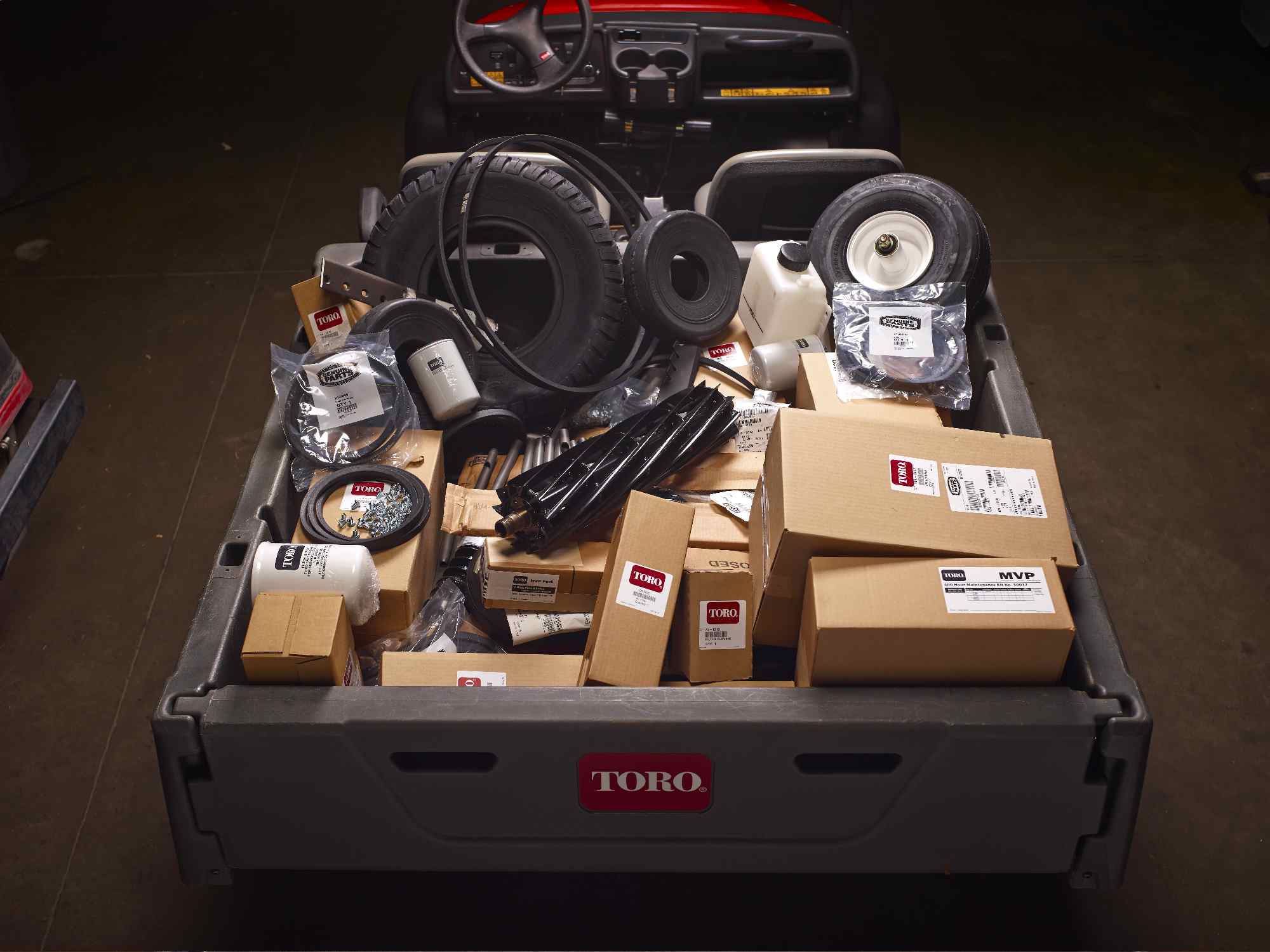
A shift in strategy: making genuine more accessible
The debate between genuine and will-fit parts is not new. But it is evolving.
Historically, one of the main barriers to adopting genuine parts has been price perception. Even when the long-term benefits are understood, the initial cost difference can influence purchasing decisions. Recognising this, the industry has begun to shift.
Michael confirms: “In 2026, there is a clear focus on making genuine parts more competitive in the areas that matter most. Fast-moving, high-impact components such as bedknives, cylinders, and tines are now being prioritised, with structured pricing support designed to narrow the gap with will-fit alternatives.”
This approach reflects a broader understanding of customer needs. It acknowledges the importance of upfront cost while reinforcing the long-term value of genuine components.
“By aligning pricing strategy with performance-critical parts, the aim is to remove the compromise from the decision-making process,” says Michael.
What was once a straightforward comparison of price is now a more nuanced discussion about value, performance, and efficiency – and as operators become more focused on TCO, the limitations of will-fit parts are becoming increasingly apparent.
At the same time, efforts to improve the accessibility and competitiveness of genuine parts are changing the landscape. The gap is no longer as wide as it once was and in many cases, it has effectively closed.
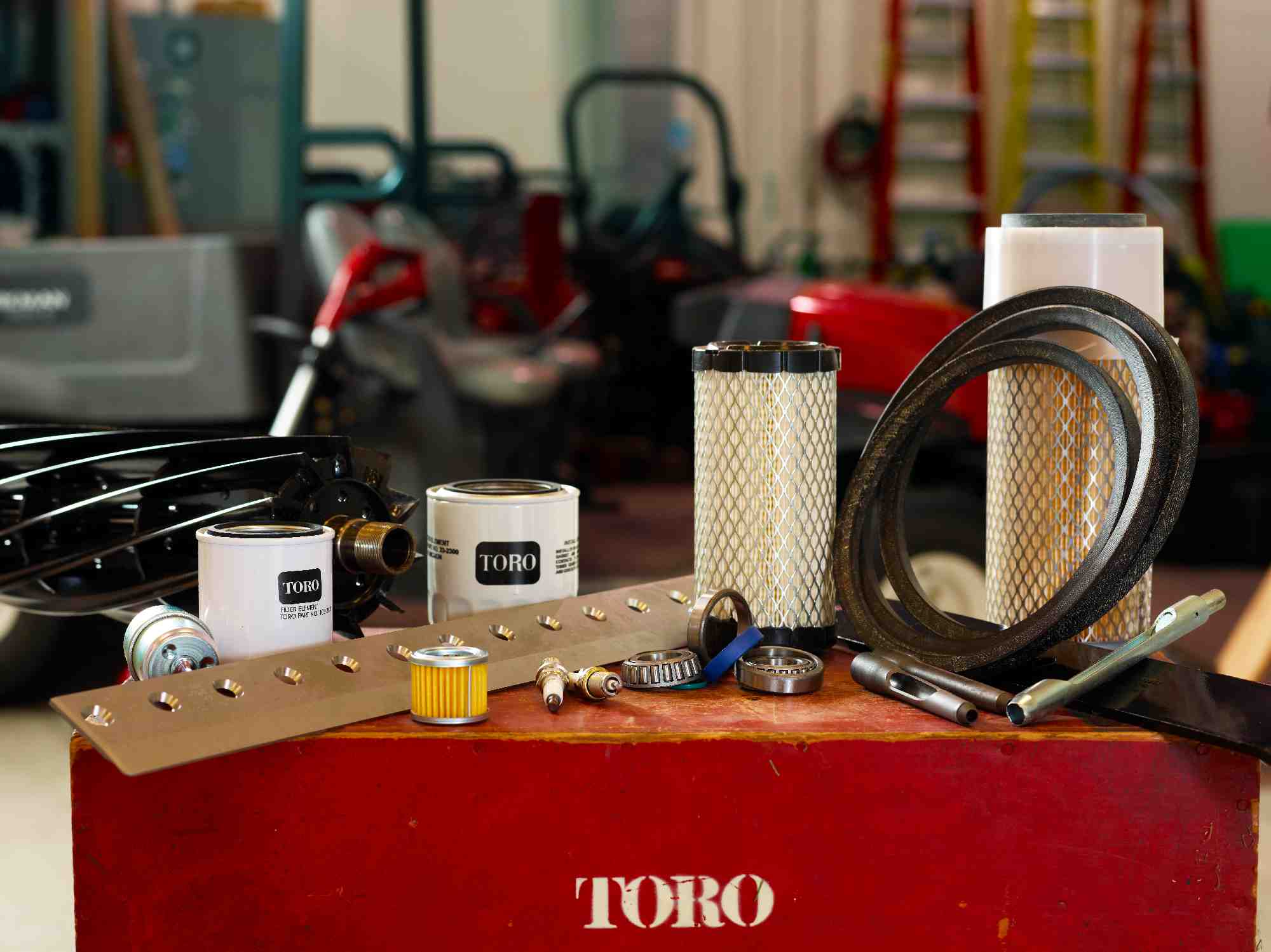
Performance is the real economy: why choose Toro Genuine Parts
At a time when every purchasing decision is under scrutiny, choosing the right parts supplier is no longer just about availability, it’s about quality, consistency, and long-term value – and this is where the combination of Toro Genuine Parts and Reesink Turfcare set themselves apart.
Toro’s approach is built on a simple but powerful principle: every part is engineered as part of a complete system. Bedknives, cylinders, and tines are not developed in isolation, they are designed, tested, and refined to work seamlessly with Toro equipment. That integration delivers something will-fit alternatives cannot replicate: predictable performance, every time.
But performance is only part of the equation. Toro Genuine Parts are manufactured to strict quality standards, ensuring consistency across the board including the materials used. For operators, that means fewer variables to manage and less time spent adjusting, correcting, or replacing components. In a working environment where time is as valuable as cost, that reliability becomes a tangible advantage.
There is also the matter of support. Choosing Toro means access to a structured aftermarket ecosystem: from parts availability and logistics to technical guidance and ongoing product development. This infrastructure ensures that when a part is needed, it is not only available quickly but backed by expertise and accountability.
Importantly, Toro has also recognised the changing dynamics of the market. With increased focus on fast-moving parts, recent initiatives have made Genuine Parts more commercially competitive. This shift reduces the traditional price gap, making it easier for businesses to choose performance without compromise.
Ultimately, the decision comes down to what matters most: short-term savings or long-term value.