
Parkland vs links golf course design: is links-style parkland golf becoming a new trend?
Traditionally, the majority of UK golf courses fall under two main categories, links and parkland. The first is characterised by the natural beauty of coastal landscapes with sparse vegetation, sandy dunes and strong winds. The latter is more sheltered by the elements and defined by tree-lined fairways, dramatic elevation changes and manicured, garden-like aesthetics.
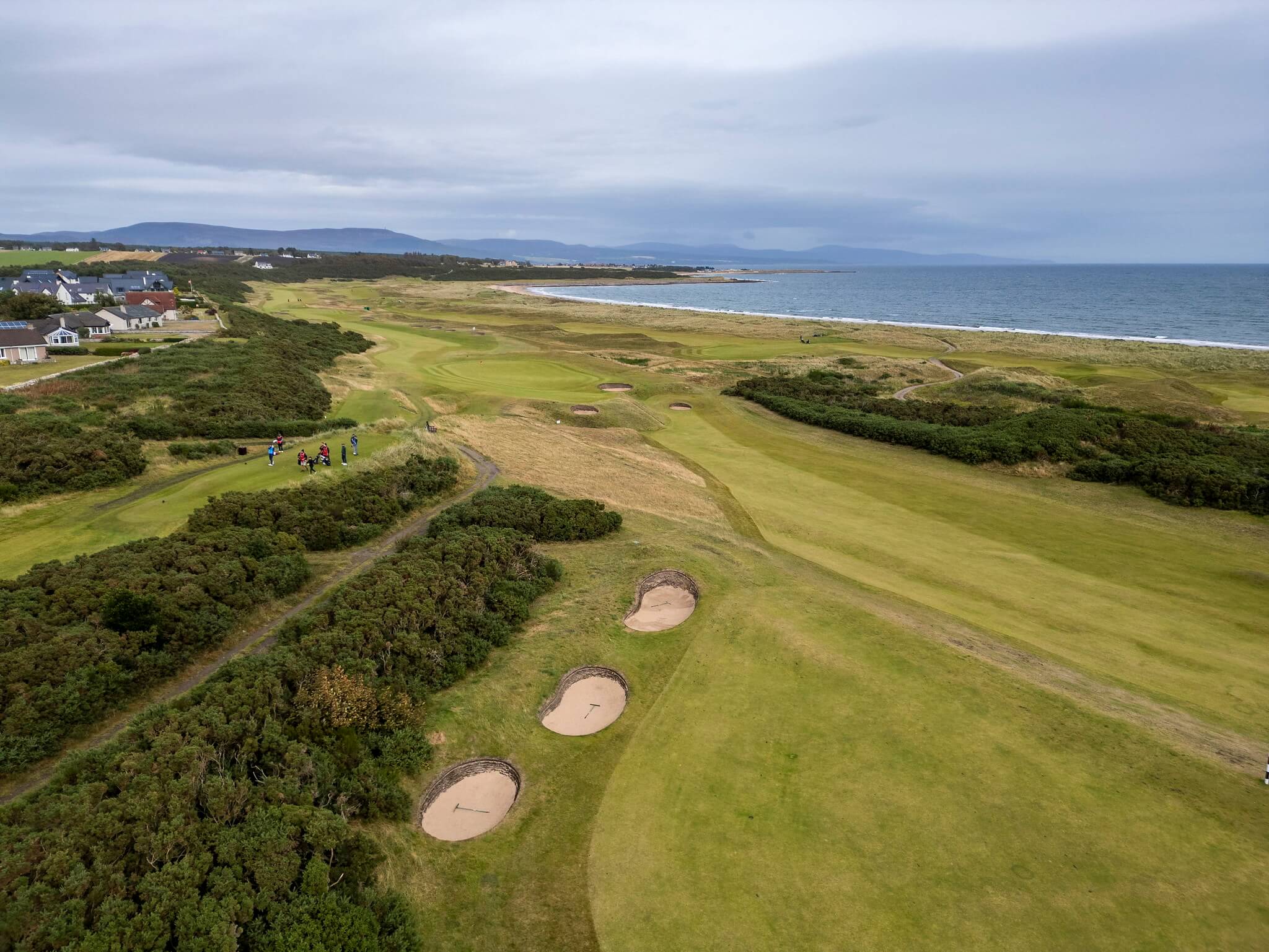
Royal Dornoch
This distinction still matters: a true links course remains something unique, shaped as much by its coastal location as by its distinctive design. However, as golf course managers face increasing pressure around drainage, sustainability, maintenance costs and year-round playability, some inland venues are beginning to look towards certain links-style design principles for inspiration.
This does not mean parkland courses are trying to become links courses, or that golfers should expect inland venues to suddenly resemble the coast. Rather, some clubs are selectively adopting key stylistic elements of links courses to support firmer playing conditions, improved turf resilience and more sustainable long-term management.
What makes links and parkland different types of golf courses?
Before exploring this new trend in course design, it’s worth revisiting what separates the two course types in the first place.
What are links courses exactly?
Originating on the coasts of Scotland, links courses get their name from the Old English word hlincas, meaning ridges, which tells you everything you need to know about the hilly, coastal dunes these courses sit on.
Because they are right on the water, golfers are constantly battling unpredictable winds. To cope with the elements, links courses are usually wide open and treeless, featuring firm, fast fairways, large greens and deep pot bunkers designed to stop the sand from blowing away.
For a course manager, the real beauty of a links setup is underneath the turf. The native sandy soil drains easily, meaning links courses tend to stay firm and playable all winter, with minimal risk of flooding. This natural drainage gives them a significant head start on maintenance compared to inland clay-rich courses.
How links courses affect the golfing experience
- With fast fairways and strong winds, long shots are particularly hard to control. Players have to adapt by landing their shots well short of the putting surface, letting the ball bounce, roll and run onto the green.
- The characteristic deep pot bunkers are designed to punish wayward shots: finding yourself under a steep sand face can quickly turn an easy par into a stressful battle for a bogey.
- Links golf requires you to think outside the box. Without trees to frame the holes, players must use the natural dunes as reference, account for how the ball will react when it hits a contour and keep their ball flight low to stay underneath the howling coastal wind.
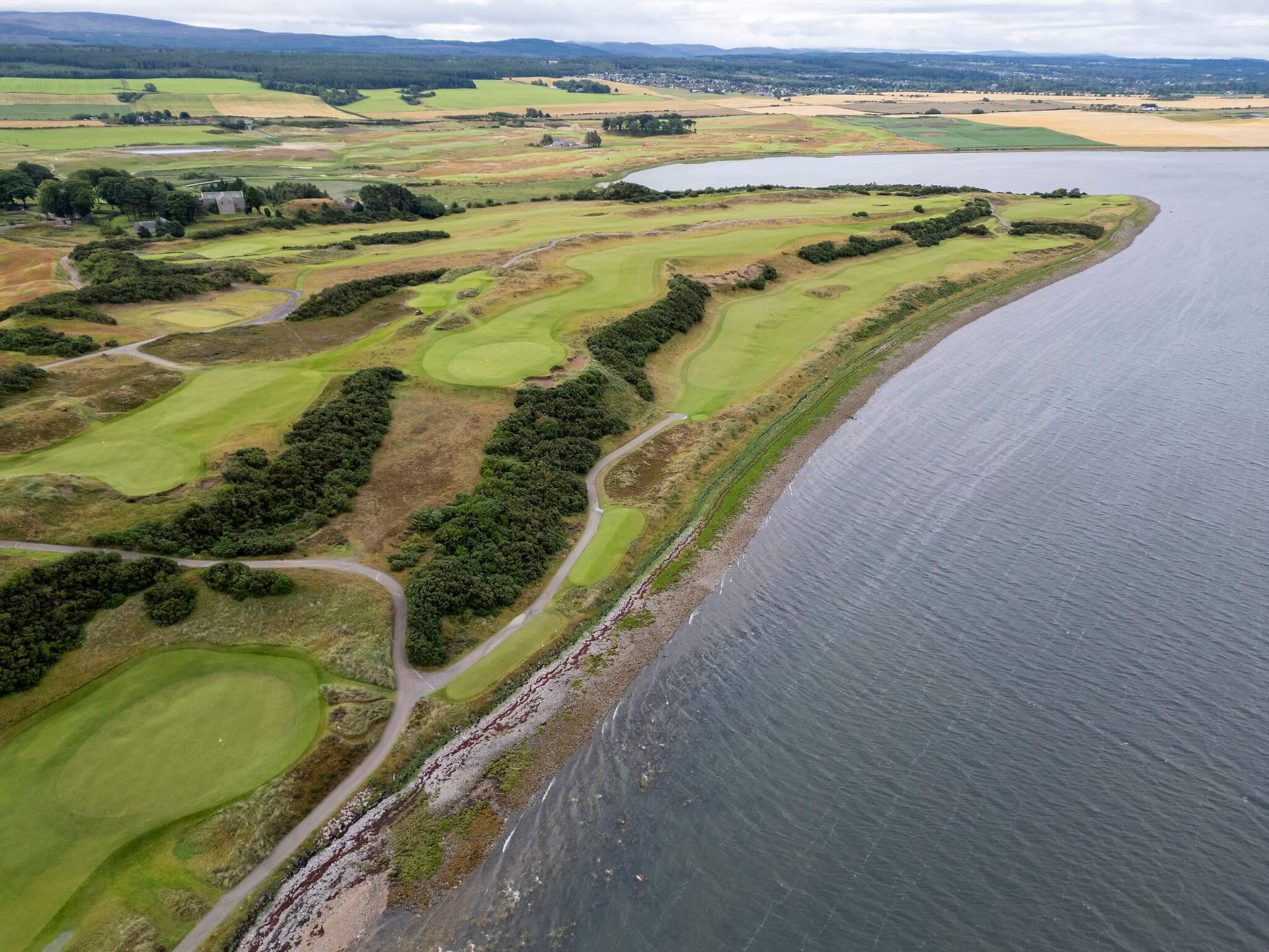
Cabot Highlands
What about parkland courses?
Built inland, away from the coastal winds, parkland courses are defined by lush, tree-lined fairways and pristine, well-maintained greens that offer a much more controlled, sheltered game. It’s the classic tournament look seen at famous Ryder Cup and PGA tour events, where “carpet-smooth” presentation is the standard.
Today, parkland courses are the most common golf course type in the world, loved by golfers of all skill levels for their accessibility and classic garden-like aesthetic. However, because they are usually built on a natural clay soil, they face a completely different set of challenges.
Unlike free-draining links turf, a traditional parkland site holds onto water, meaning a heavy downpour can quickly impact playability and potentially overwhelm a club’s drainage systems.
How parkland courses affect the golfing experience
- While players don’t have to worry about strong sea winds, here wayward shots are heavily punished by mature tree lines, thick semi-rough and strategically-placed water hazards.
- Missing the fairway usually means you are blocked out visually, forcing you to punch out sideways rather than aiming directly for the flag.
- Since the turf is naturally softer and more forgiving than a links course, golfers rely more heavily on aerial play, knowing that a well-struck approach shot won’t bounce excessively and will stop almost exactly where it lands on the green.
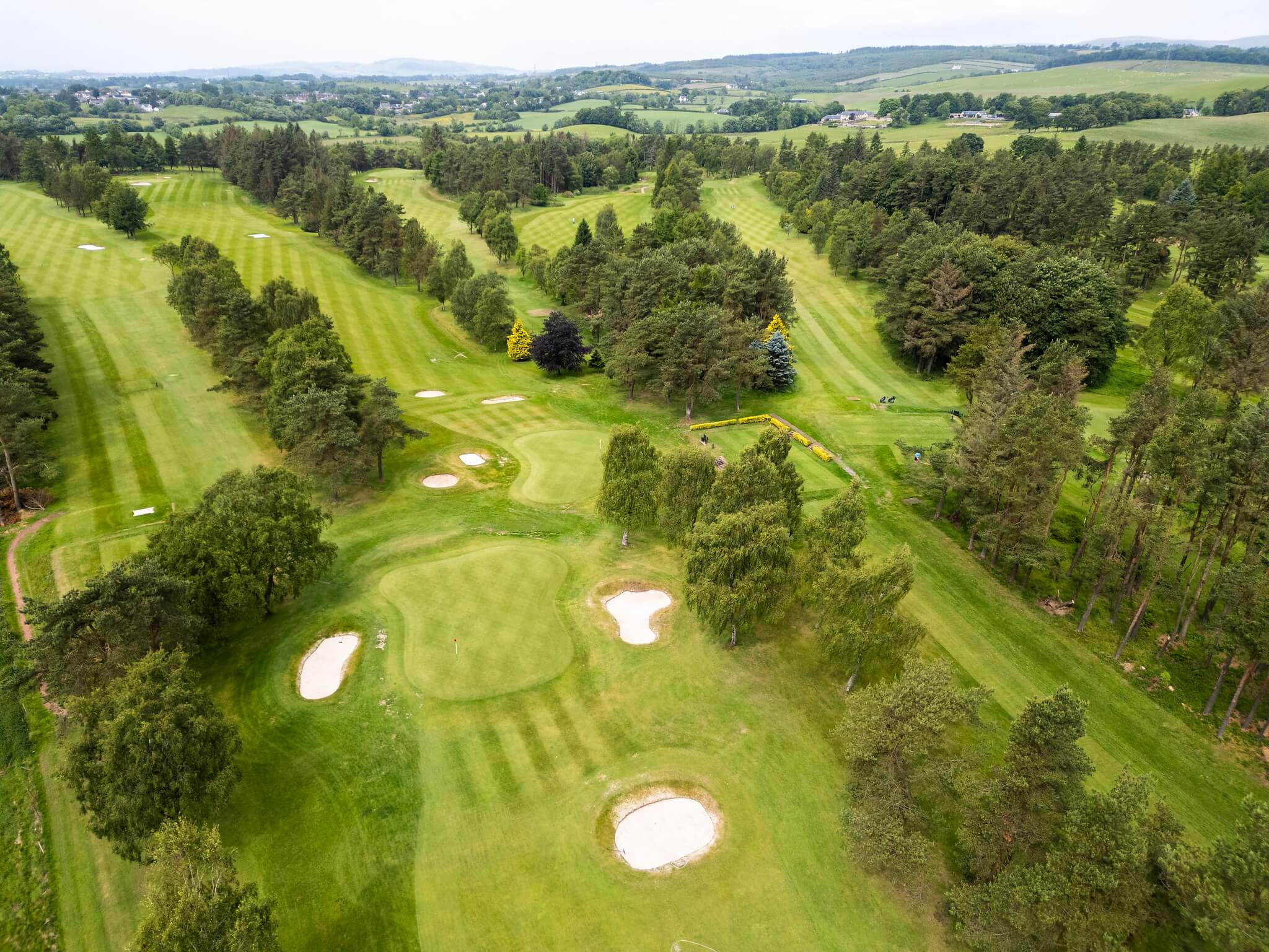
Hayston Golf Club
Parkland vs links golf courses at a glance
| Links golf course | Parkland golf course |
| Located on the coast | Located inland |
| Natural scenic beauty | Manicured, garden-like aesthetic |
| Sandy, free-draining soils | Heavier, clay-rich soils |
| Firm, fast-running conditions | Softer, greener conditions |
| Open landscapes with few trees | Tree-lined, narrow fairways and enclosed views |
| Strong influence from wind | More sheltered from the elements |
| Natural rough and native vegetation | Mowed rough and ornamental planting |
| Emphasis on the ground game | Greater emphasis on aerial approaches |
It’s important to remember that, whilst helpful, the distinction between links and parkland courses does not exhaust all design possibilities seen around the world.
From heathland courses to desert and sandbelt courses, check out our comprehensive guide to learn more about the different types of designs that make golf so captivating.
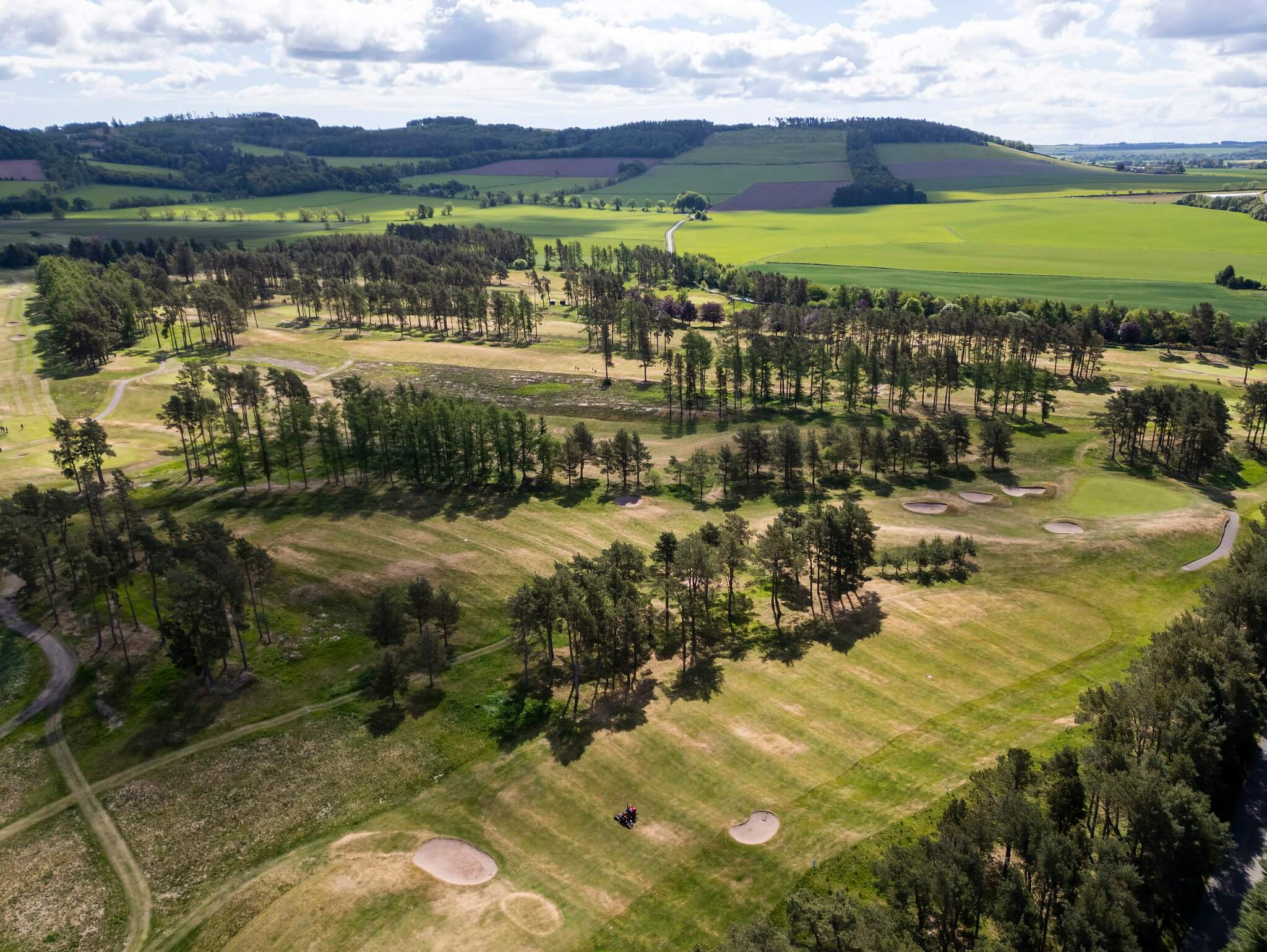
Forfar Golf Club
What do we mean by a links-style inland course?
When people refer to an inland links-style golf course, they are rarely suggesting an exact reproduction of coastal links environments.
Instead, the term is often used to describe courses that borrow certain playing and design elements commonly associated with links golf. These might include firmer playing surfaces, improved drainage, more natural roughs and a less intensive approach to maintenance in selected parts of the course.
Why are some inland courses moving in this direction?
Several factors appear to be driving this shift:
- Better strategic play: some golfers are moving away from soft, receptive “target” golf. They want firmer, faster surfaces that reward smart shot-making and stay playable all 12 months of the year.
- Beating the weather: wetter winters are putting huge pressure on older clay drainage systems. Shifting to a links-style setup makes it easier to shed water quickly and keep fairways from flooding.
- Taming rising costs: with the rising price of fuel, water, fertiliser and labour, clubs have to find smarter ways to manage their venues without hurting playability and aesthetic presentation.
- Meeting sustainability goals: pushing for a links-influenced profile naturally reduces a course’s water footprint and reliance on fertilisers.
- Embracing a natural look: letting outer roughs grow into natural, golden fescue areas cuts down on weekly mowing hours while giving local biodiversity a massive boost.
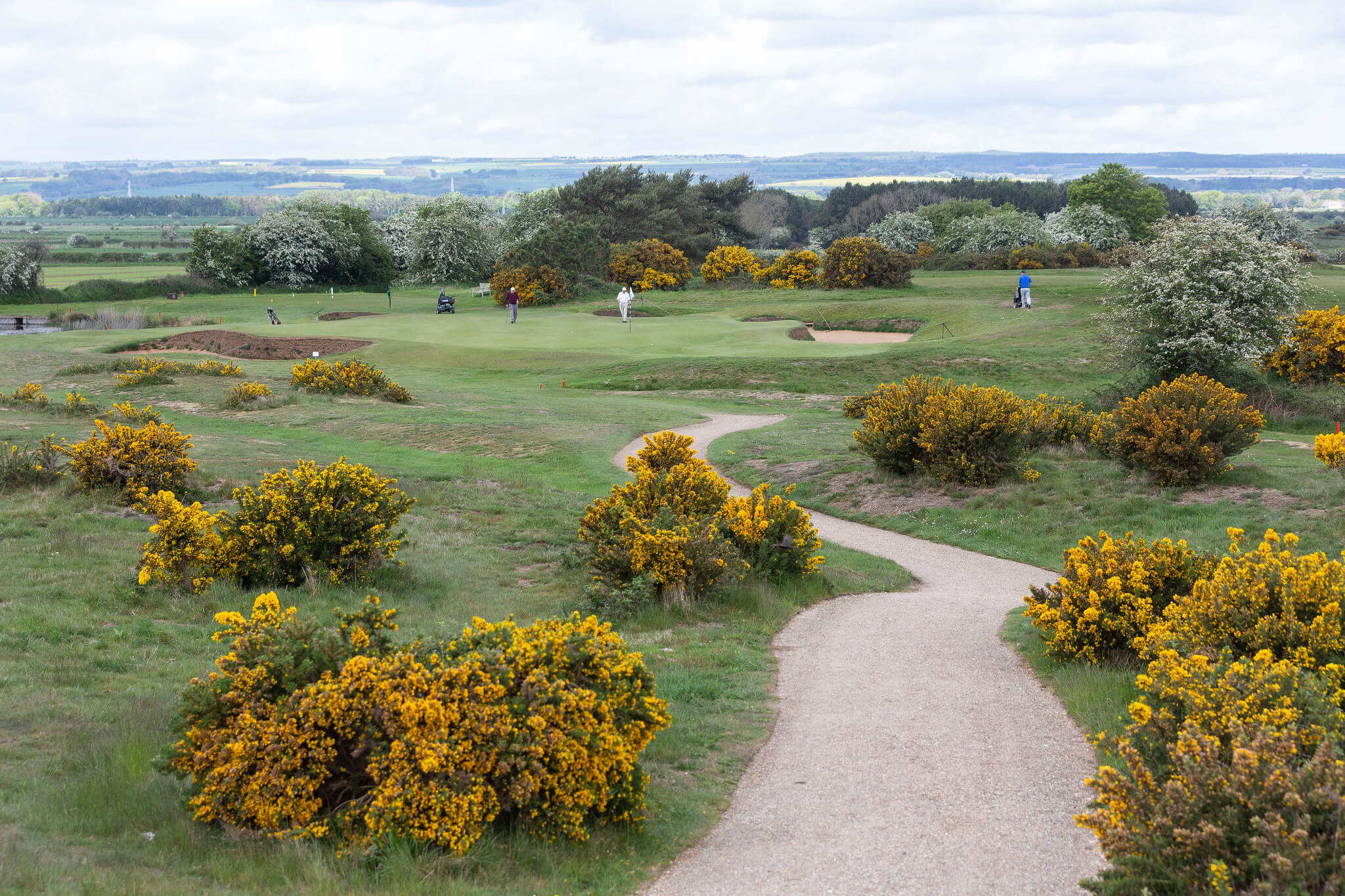
Ganton Golf Club
What links-style features can realistically be adapted inland?
While inland courses can’t become true links venues, there are several design elements that can be adapted successfully.
Firmer playing surfaces
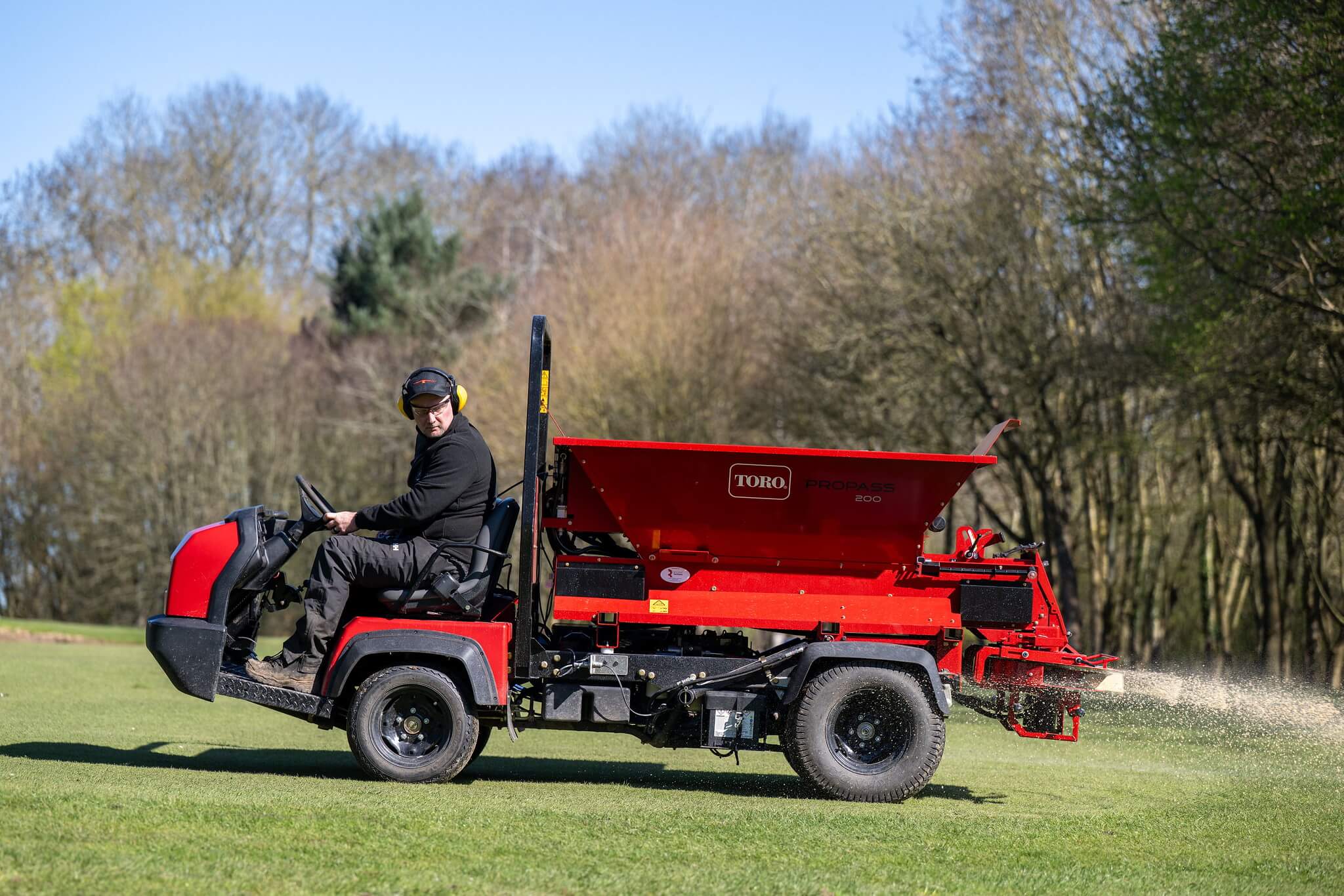
Firm fairways and approaches can improve year-round playability while introducing more strategic shot options. Achieving this often involves a combination of drainage improvements, careful irrigation management, long-term agronomic planning and targeted topdressing programmes – for instance, with the help of broadcast-style topdressers like the Toro ProPass 200, which delivers unmatched spread consistency from ultra-light dustings to ultra-heavy sand applications.
The goal is not simply to create faster conditions, but to encourage healthier turf and reduce the likelihood of surfaces becoming saturated during wetter periods.
Improved drainage
Effective drainage is a distinctive quality of links-style courses. Whether upgrading primary drainage systems, adding sand to the soil profile or through aeration and other surface management practices, improving water movement can significantly influence both turf health and playing quality.
And when it comes to aeration, using a machine like the Toro ProCore 1298 – designed to deliver consistent depth and clean, precise holes that accelerate turf recovery, with a remarkable 249cm working width for maximum productivity – is key to ensure faster operations that don’t compromise on quality.
More natural rough management
Rather than maintaining large areas of highly manicured rough, some clubs are introducing more natural grassland areas that require less maintenance and less frequent cutting. This can reduce overall labour requirements while creating stronger visual contrast and supporting a club’s biodiversity goals.
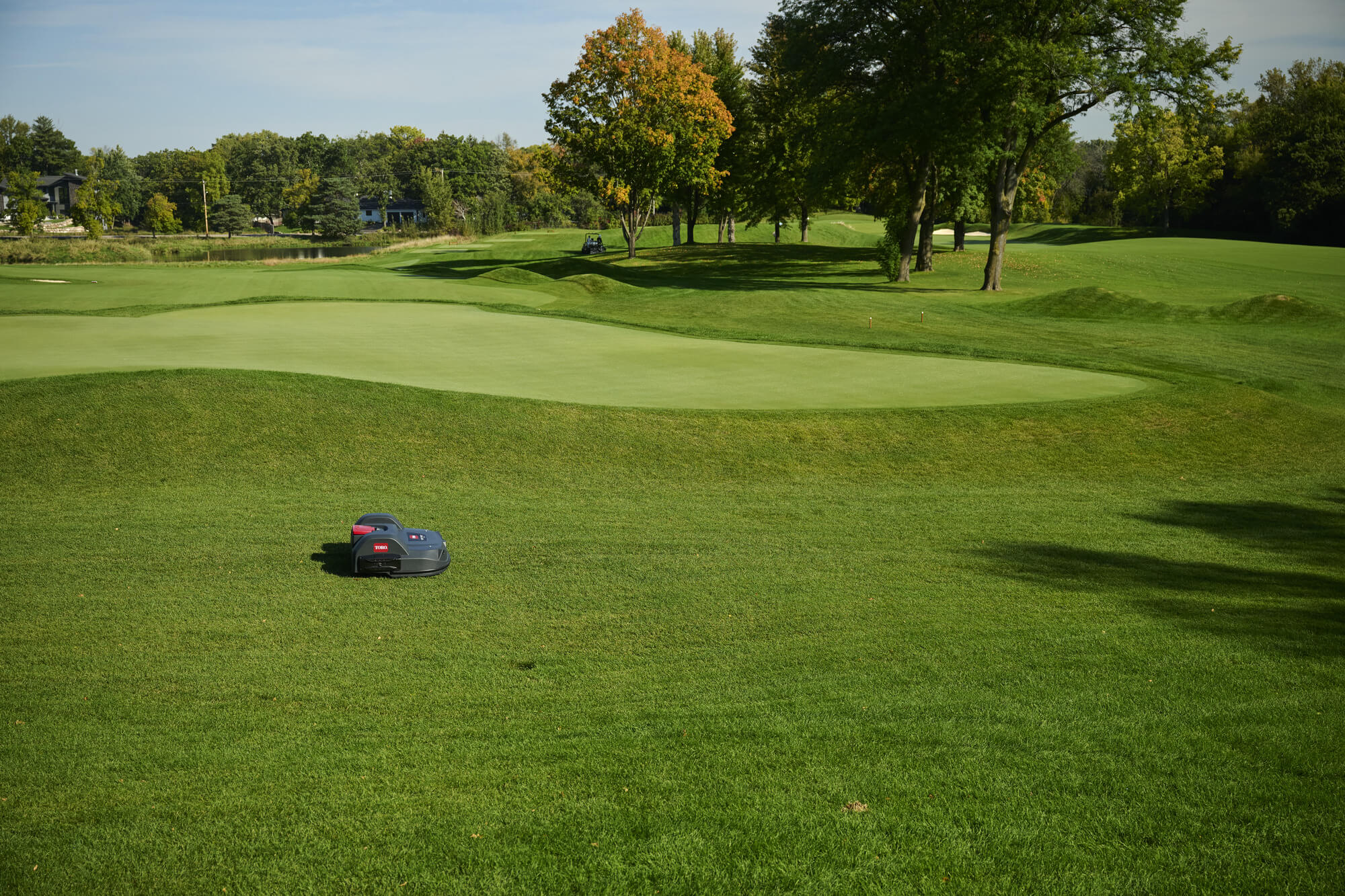
An alternative strategy for efficient rough management is enabled by Toro’s new autonomous mowers. The Toro Turf Pro 500 range, in particular, can be a great choice to maintain fairways, roughs and semi-roughs without the constant supervision of an operator. Just define working perimeters, no-go zones, mowing patterns, cutting height and transport paths and these robotic mowers will use GPS and RTK technology to autonomously mow an area of up 75,000m2 with a single charge.
More open sight lines
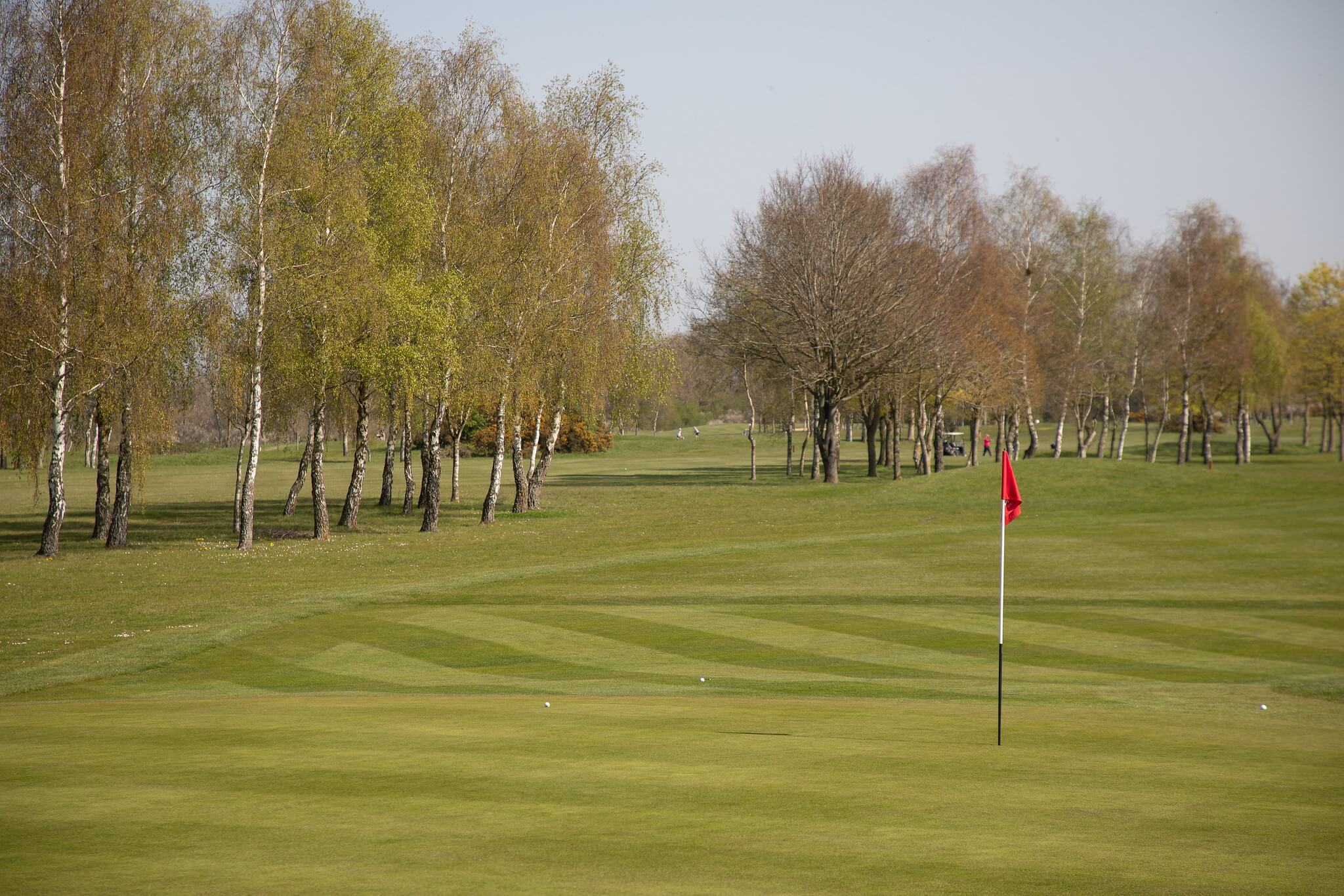
While mature trees remain an important part of many parkland layouts, some courses are selectively thinning or removing trees to improve air movement, sunlight penetration and turf health.
This can also create more open visual corridors and play options that feel closer to the character of traditional links golf without fundamentally changing the course’s identity.
What can’t be replicated?
Of course, there are limits. A genuine links course is defined by factors that can’t be recreated inland. Coastal location, naturally sandy soils, deep pot bunkers and windswept dunes all contribute to the unique playing characteristics of true links golf.
An inland course can adopt certain principles, but it can’t fully replicate the environment that shaped the world’s great links venues.
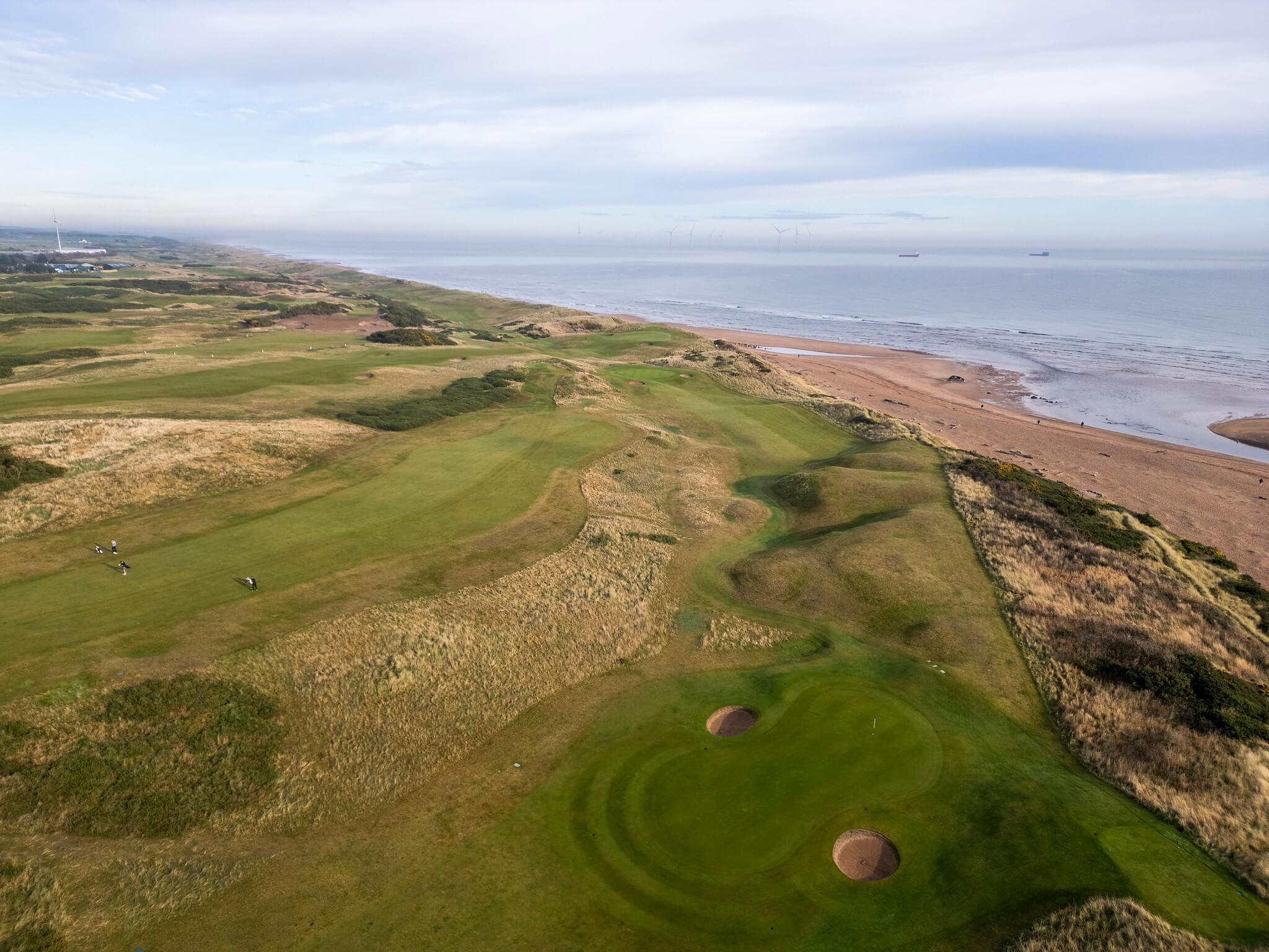
Royal Aberdeen Golf Club
The secret to successful course renovation
Moving towards more resilient, links-inspired courses often requires meaningful changes to a club’s maintenance strategy, machinery requirements and long-term planning. Ultimately, navigating this shift isn’t about making a radical change overnight; it’s about matching the right tools and strategy to your specific course goals.
That’s where partnering with an expert makes all the difference. As Toro’s sole UK distributor, Reesink Turfcare works closely with your golf club to support maintenance strategies that balance playability, presentation and long-term sustainability. We also offer strategic support to keep your Toro machines in optimum condition with comprehensive ReeAssure servicing plans and genuine parts replacements.
Speak to a Reesink specialist or call us on 01480 226800 to learn more about how we can help your course perform at its best today while preparing for the challenges of tomorrow.