How to control autumn turf pests: a practical guide for greenkeepers and grounds teams
Autumn has arrived, and with it a new set of turfcare challenges. As temperatures drop and moisture rises, we’ll see an increase in insect and pest populations that can cause significant damage to turf health, the playability of sports surfaces, and their appearance.
That’s why knowing how to proactively treat infestations is critical to ensure strong and resilient turf management. This guide will help you get started by exploring a modern approach to dealing with common autumn pests.

What are turf pests – and why are they so common in autumn?
Turf pests are small but destructive organisms that target the grass plant, its roots, or the surrounding soil. From leatherjackets to fruit flies, you might not initially notice these pests’ impact, but in large numbers, they pose a real problem.
Unwanted effects for golf courses, sports venues, and commercial grounds include issues with:
- Playability – turf disruption caused by worm castings, larvae, or birds.
- Presentation – damaged turf and patchy surfaces.
- Turf health – affected by root and leaf damage as well as nutrient losses.
The activity of these organisms peaks in autumn as falling temperatures and rising moisture levels create the ideal breeding environment. After months of summer compaction and stress, turf is left weaker and more susceptible, making this the season when proactive monitoring and management matter most.
How to control autumn turf pests on golf and sports turf
So how do you get ahead of these challenges and stop pests from taking hold? The answer lies in Integrated Pest Management (IPM), a holistic and sustainable approach that balances prevention, monitoring, and control.
According to this approach, proper pest management involves three kinds of controls:
- Cultural, where the environment is modified to discourage pests – for instance, cutting back on foliage or aerating the turf to minimise moisture.
- Biological, using natural predators or organisms.
- Chemical, which includes the safe and efficient spraying of pesticides and should only be chosen as a last resort.
In other words, an IPM approach is about managing the whole environment where pests thrive, disrupting their life cycles, and keeping surfaces strong, rather than jumping straight to chemical use. Let’s see how this methodology can be applied to different pest populations.
1. Leatherjackets and chafer grubs
Let’s discuss two chief perpetrators of turf damage at this time of year.
Leatherjackets
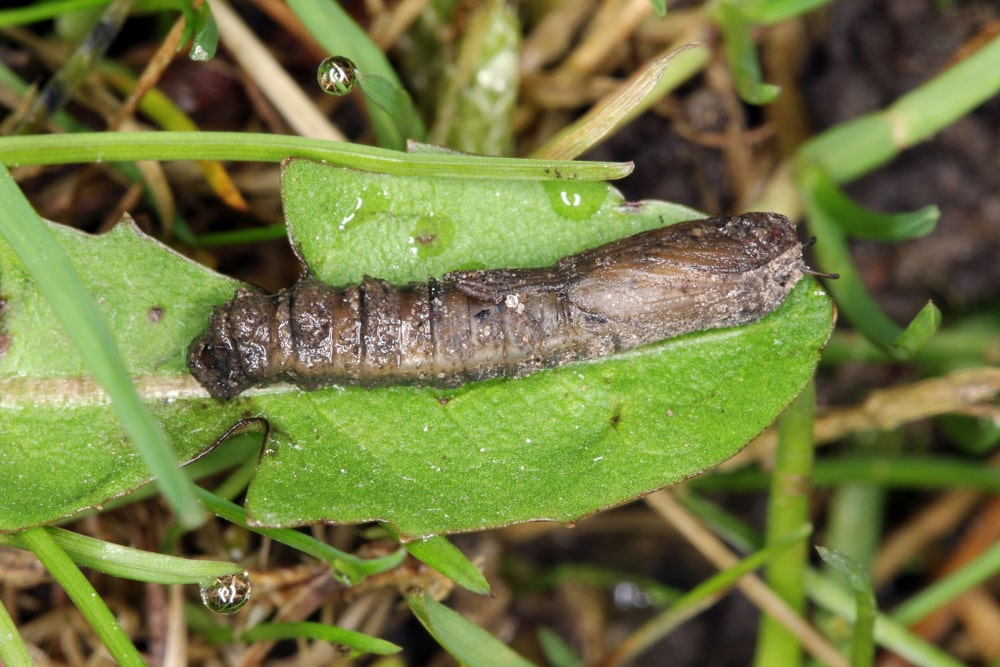
Leatherjackets are the soil-dwelling larvae of the crane fly. Around 30mm long, with greyish-brown bodies, these larvae have no legs and grow underneath turf, feeding on the plant roots until they pupate and emerge as an adult, which flies between August and October.
As explained in our leatherjackets article, when the larvae are in the ground and at the grub stage, they feed on grass roots during the day and come up to the surface on damp evenings to eat the leaf tissue. While the crane fly is relatively harmless, in areas where there’s a high population of leatherjackets, they’ve been known to kill off the grass completely.
Chafer grubs
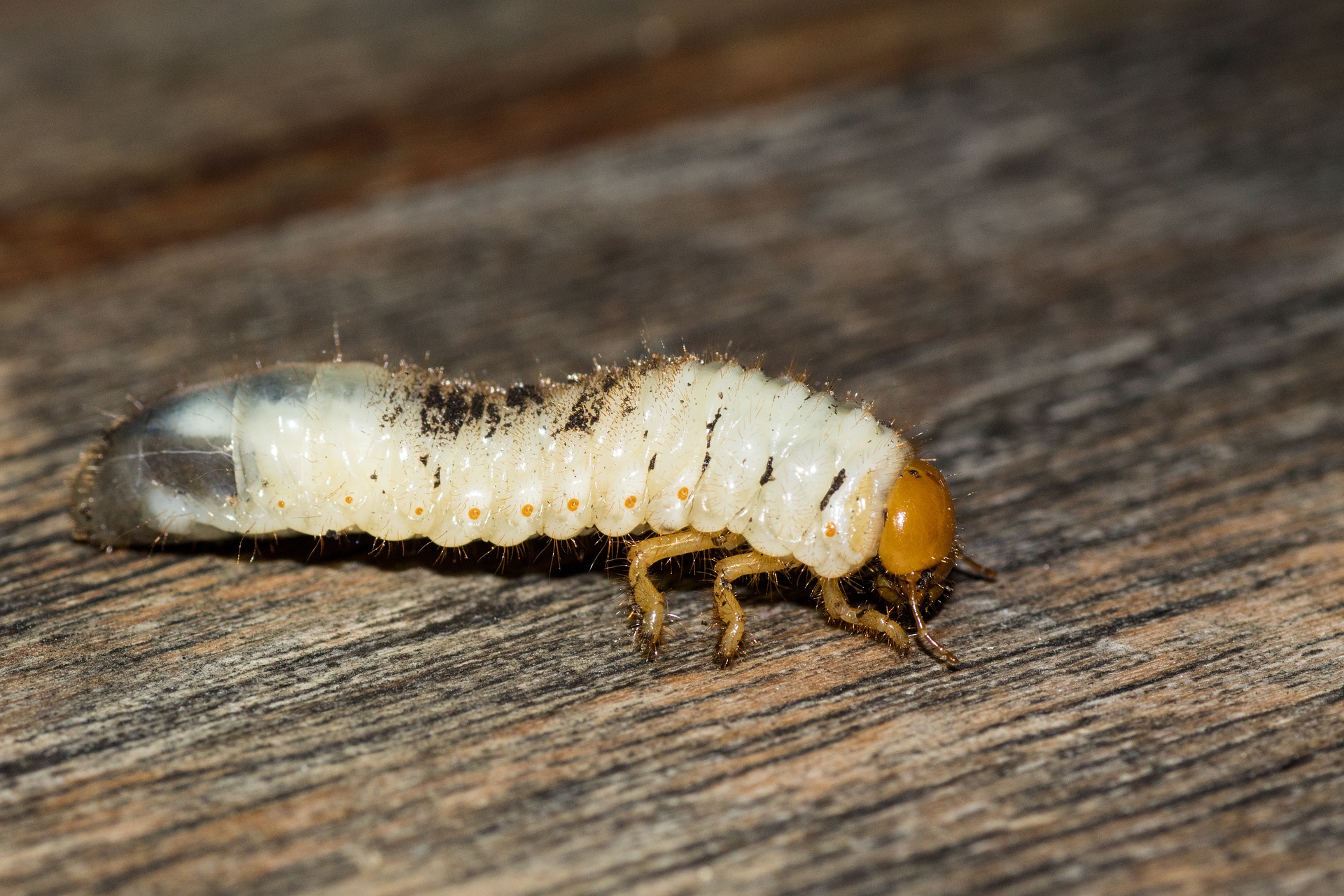
Similar to leatherjackets, chafer grubs are the larvae of chafer beetles. These C-shaped larvae have a brown head, white body, and three pairs of legs.
Depending on the species, they either feed on decaying plant material or plant roots. Their damage is greatest from early autumn to spring because the adult chafer beetles mate and lay their eggs in late summer, so by autumn, the grubs are reaching maturity.
Common signs that chafer grubs have infiltrated your turf include yellowing patches of lawn that can be easily lifted up like a section of carpet, and an increase in the number of birds and mammals tearing up turf.
What is the best treatment for chafer grubs and leatherjackets?
Both leatherjackets and chafer grubs’ activities lead to weakening of the grass and uneven, bumpy patches on your turf, making it more susceptible to stress and disease.
Managing infestations of chafer grubs and leatherjackets starts with prevention and monitoring. A strong sward, supported by balanced nutrition, aeration and drainage, creates less favourable conditions for eggs and healthier roots.
Cultural controls such as light aeration with a sarel roller or needle tines are effective for improving soil structure and discouraging larvae from settling here. Not sure where to start? Our comprehensive guide to tine options will help you understand which tines are best suited for your turf.
When prevention isn’t enough, biological controls such as nematodes are a sustainable but effective solution that many greenkeepers now rely on. Nematode activity naturally targets larvae and reduces their numbers; these microscopic roundworms can be applied between July and September while soil temperatures remain above 12°C. When watered into moist soil, the nematodes move down into the root zone and seek out grubs, breaking the pest cycle naturally. For best results, ensure the turf is lightly aerated before application, and water the area before and after to maintain soil moisture.
Alongside these methods, monitoring is key. Sampling turf, using pheromone traps, and observing bird or mammal activity on site can all help identify pest presence early and allow turf managers to address the issue swiftly.
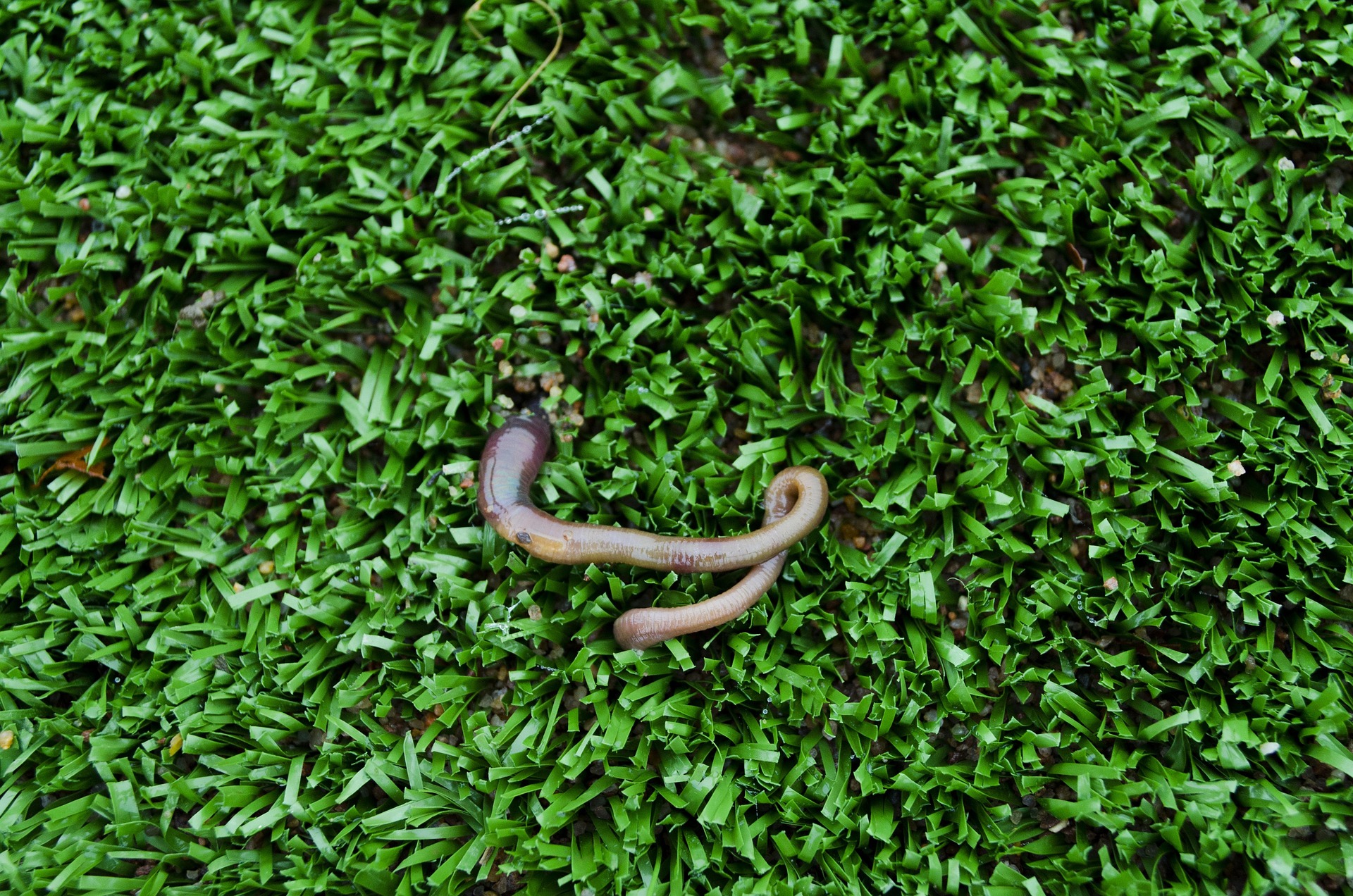
2. Earthworms
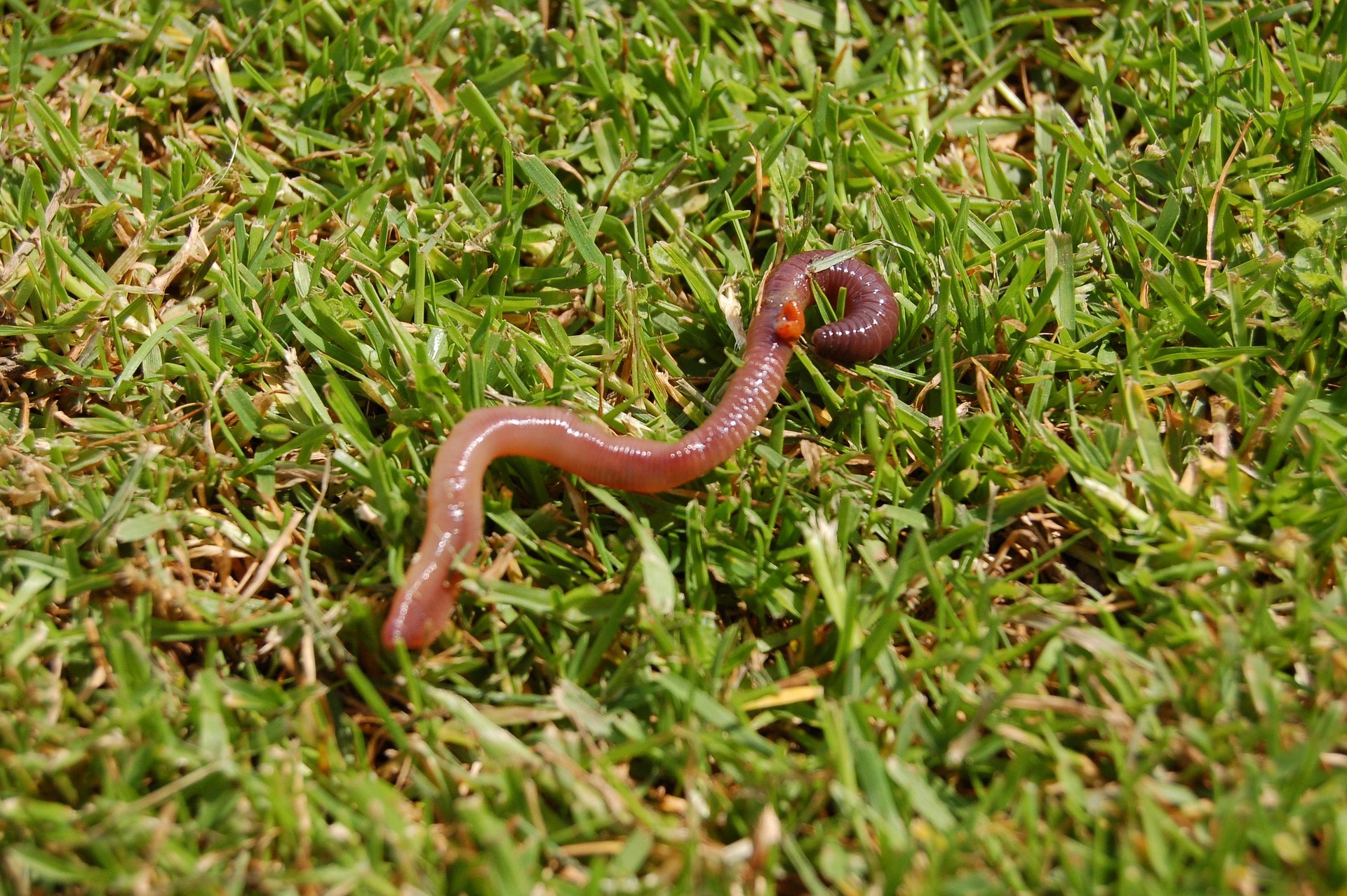
“Pests” is perhaps too harsh a term for earthworms, as they play a vital part in maintaining a healthy turf, recycling organic matter, and improving the soil structure.
However, worm casts – small, coiled heaps of soil excreted by earthworms when they eat organic matter – can prove a problem in sports when they pile up on the turf surface.
If the worm casts are dry, they can easily be brushed away or drag matted, but if wet, worm casts quickly become slippery and muddy, affecting ball roll on golf courses.
How can you deal with worm casts?
Although earthworms are usually beneficial for soil health, their casts can be a real headache in fine turf environments such as golf courses. Beyond affecting playability, casts smear when mown or stepped on, covering the grass underneath, leading to uneven surfaces, and promoting moss growth.
Cultural controls in this case are the first line of defence. Improving drainage through turf aeration reduces the wet conditions that encourage worm activity, while a sand-based topdressing programme can dilute the organic matter that is part of the soil, making casts drier, less sticky, and easier to disperse. For more insights into how topdressing elevates turf health and playability, and what solutions can best support your initiative, check out our practical guide.
Other preventative measures to curb earthworm activity include reducing the organic materials they feed on – for instance, collecting grass clippings after mowing and removing fallen leaves when they pile up in autumn. While debris management can be a time-consuming task that drains your team’s resources, Reesink simplifies this necessary job by providing a wide range of industry-leading solutions.
3. Slugs and snails
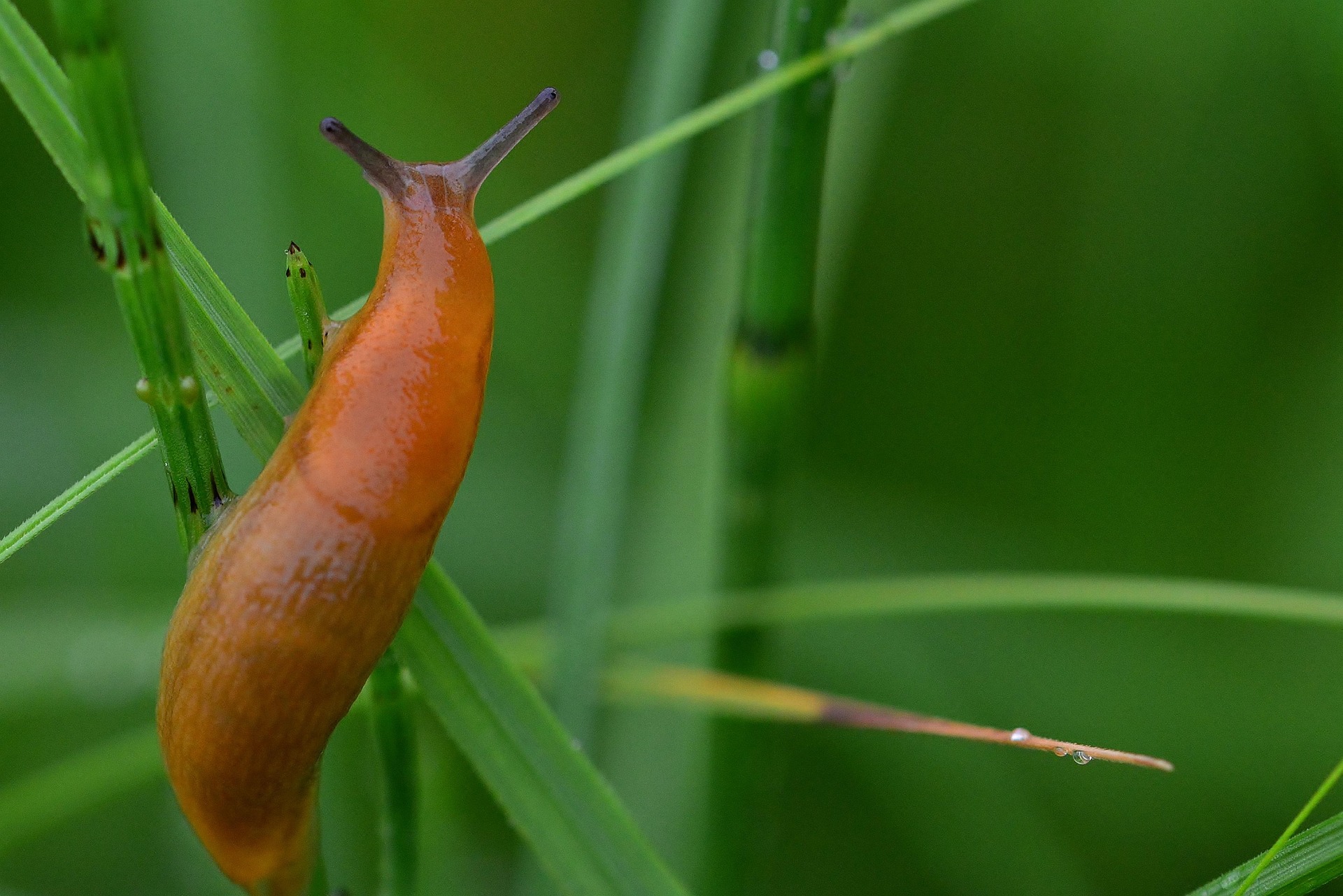
A classic sign that it’s getting colder and wetter is the appearance of slugs and snails. These soft-bodied invertebrates usually have four retractable tentacles – snails are characterised by their visible coiled shells, while slugs may also have shells, but they’re generally much smaller and hidden away.
Despite the bad reputation they often get, slugs and snails contribute to a thriving turf ecosystem: recycling nutrients and becoming an essential link in the food chain for the local wildlife. Unfortunately, they also feed on the plants and grass turf professionals want to protect, so managing their population often becomes necessary.
How do you get rid of slugs and snails?
While in small areas such as private lawns or garden centres these pests can be picked off manually, one by one, for large sports venues, cultural practices remain the most reliable long-term strategy. By reducing the shaded, damp environments slugs and snails thrive in, turf managers can minimise their number and avoid infestations altogether.
Like with earthworms, keeping an eye on areas with fallen leaves and excess organic matter and clearing them regularly is a proven way to disrupt the habitat of these pests and deter their presence.
Improving drainage through a well-managed aeration programme is another effective step to remove the cool, moist conditions preferred by slugs and snails, while morning irrigation supports the same goal by ensuring grass has enough time to dry during the day. To learn how Toro elevates your aeration strategy and what solutions match your unique needs, explore our practical buyer’s guide.
Where necessary, ferric phosphates, more commonly known as slug pellets, can also be integrated into an IPM programme, offering a safer, natural alternative to older chemical controls like metaldehyde – a molluscicide that may also damage local wildlife and the environment.
4. Birds and other disruptors
Introducing certain bird species and other natural predators can be a useful method to handle insect and pest infestations in green spaces. However, for sports venues, where immaculate turf surfaces are imperative, this solution is far from ideal.
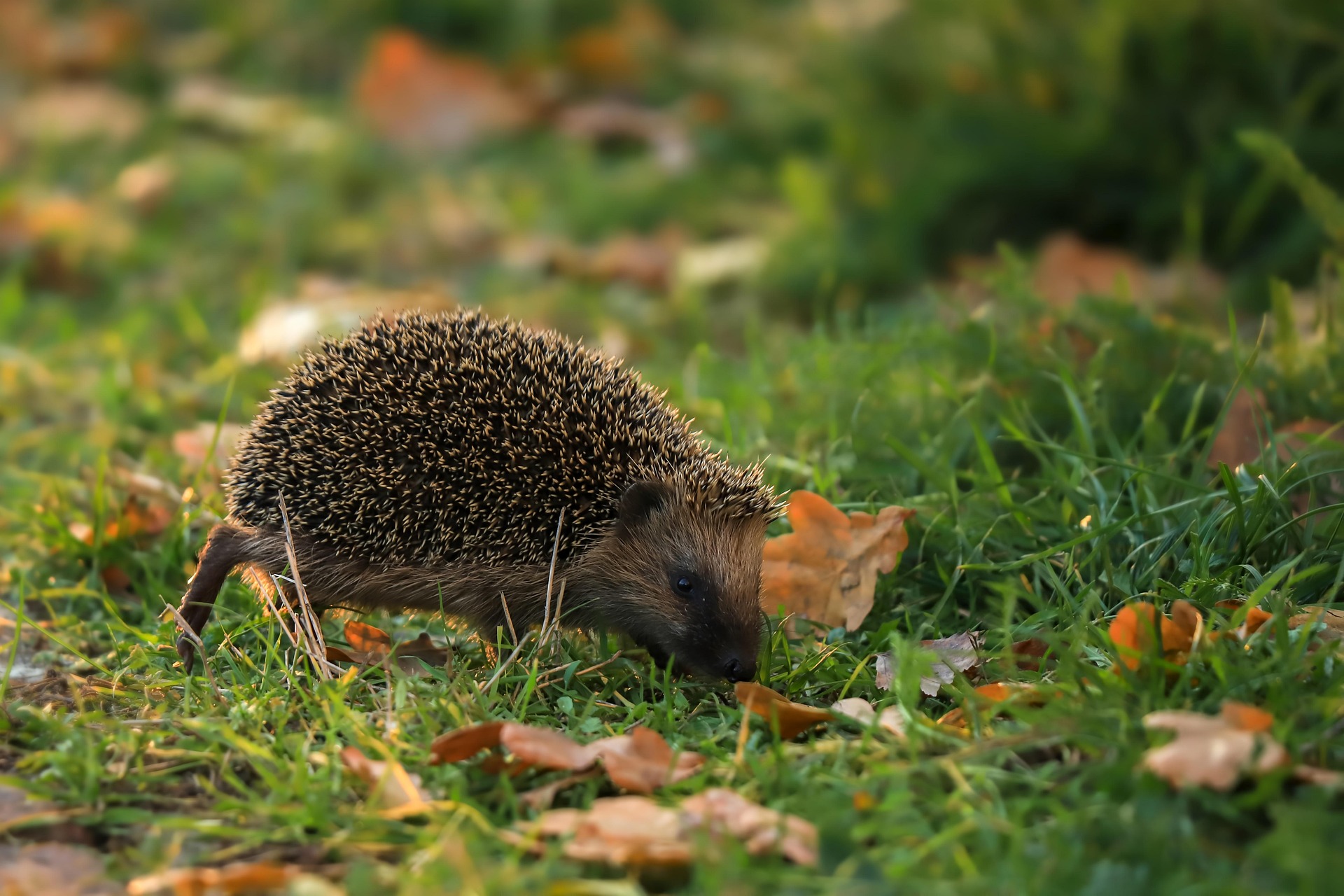
Indeed, these small animals can cause unwanted surface disruption as they dig to feed on the grubs below the surface, negatively affecting play, damaging the overall venue’s presentation, and upsetting paying customers.
Disruptors of this type range from members of the crow family to small mammals such as badgers, foxes, and hedgehogs.
What should you do if birds are attacking your turf?
This is usually a symptom of a deeper issue: a high population of grubs such as chafer larvae or leatherjackets. The most effective way to reduce surface disruption is therefore to address the root cause through proactive pest management.
That said, there are practical steps to minimise damage in the meantime. Regular monitoring of pest populations helps you anticipate when grub activity – and consequently bird activity – is likely to peak.
Temporary deterrents such as netting, visual scarers, or sound devices can reduce immediate disruption, although these are rarely long-term solutions. Instead, improving turf health and resilience through cultural controls such as aeration, balanced nutrition, and optimal sward density makes surfaces less prone to tearing and quicker to recover.
Paving the way for turfcare success
Ultimately, the most effective way to manage autumn turf pests is prevention. Building turf resilience through strong cultural practices, timely monitoring, and an Integrated Pest Management programme ensures that issues are caught early and surfaces remain in top condition even through the colder months.
At Reesink, we know that no two sites face the same challenges. That’s why we combine expert advice with access to a wide range of industry-leading solutions – from Toro aerators and topdressers to Agrimetal debris management equipment.
To explore our latest turfcare solutions and strengthen your pest prevention strategy, visit www.reesinkturfcare.co.uk or call 01480 226800.