
How to become a turfcare mechanic: the skilled technicians behind top-quality turf
Next up in our series explaining how to kickstart or expand your career in turfcare – we’re shining a light on turfcare mechanics.
Across the industry, we’re seeing skills and knowledge gaps in machinery maintenance widen. There’s an urgent call for turfcare professionals to renew and progress their training, and for eager new starters to begin their career journey.
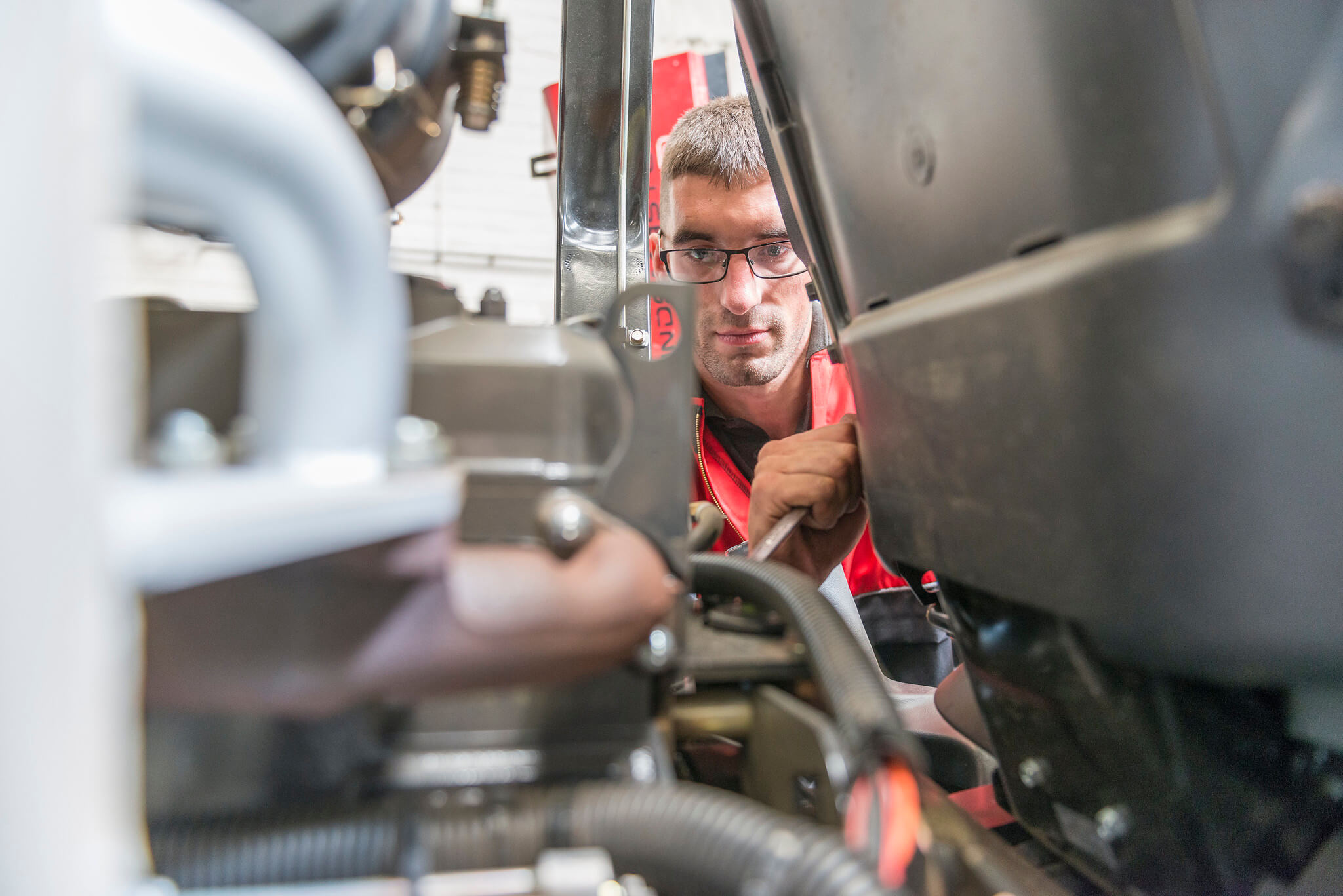
Designed to develop a broad mechanic’s skillset, Reesink Turfcare offers manufacturer-backed training, including a Level 1 Turfcare Mechanics course. Hands-on turfcare machinery training courses like these help turfcare professionals get started, expand their knowledge, and optimise machine performance.
Let’s explore the mechanic’s role in more detail.
What does a turfcare mechanic do?
Turfcare mechanics and technicians carry out essential maintenance and repairs on all turf equipment, from pedestrian mowers to autonomous fairway mowers, ensuring smooth turf operations.
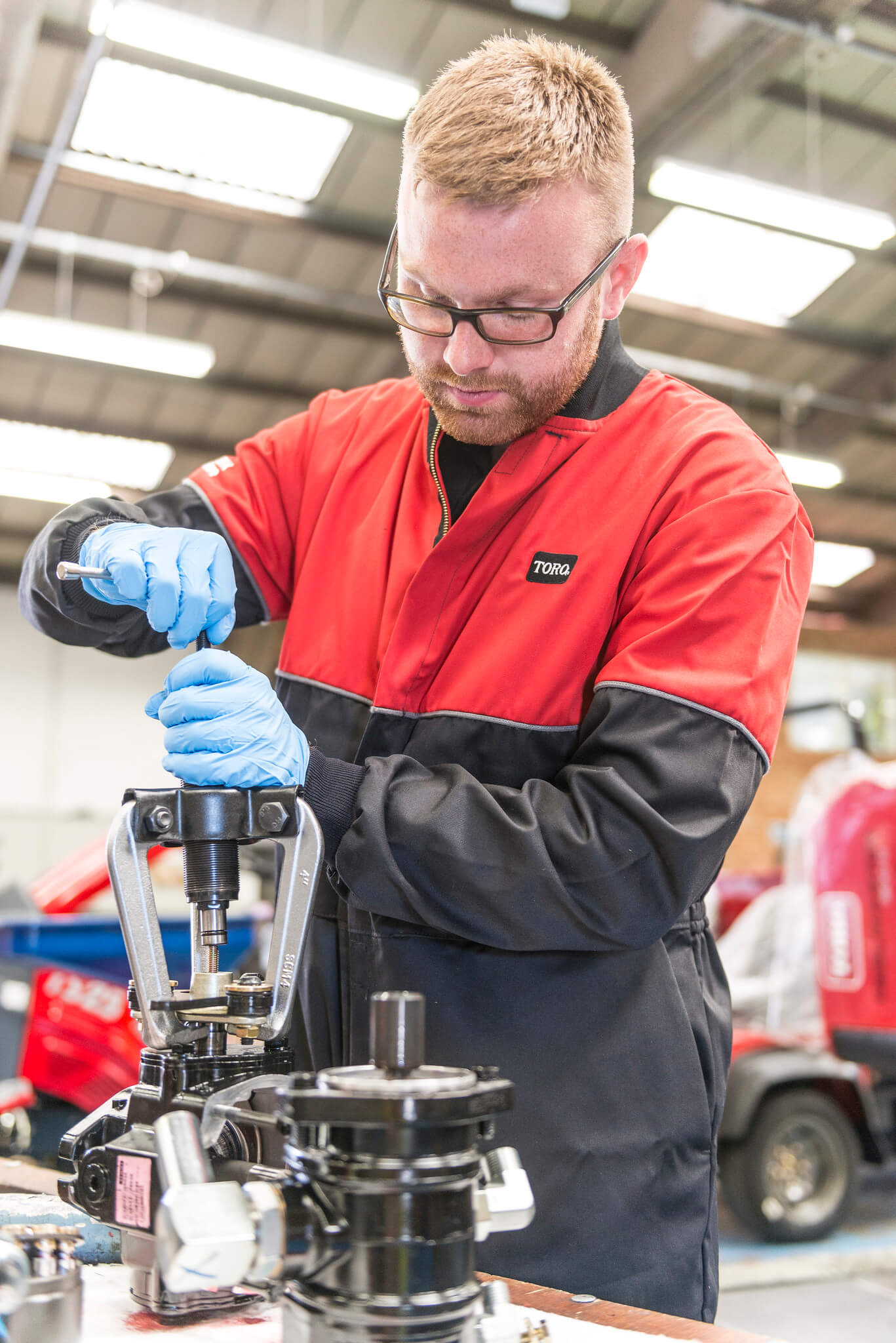
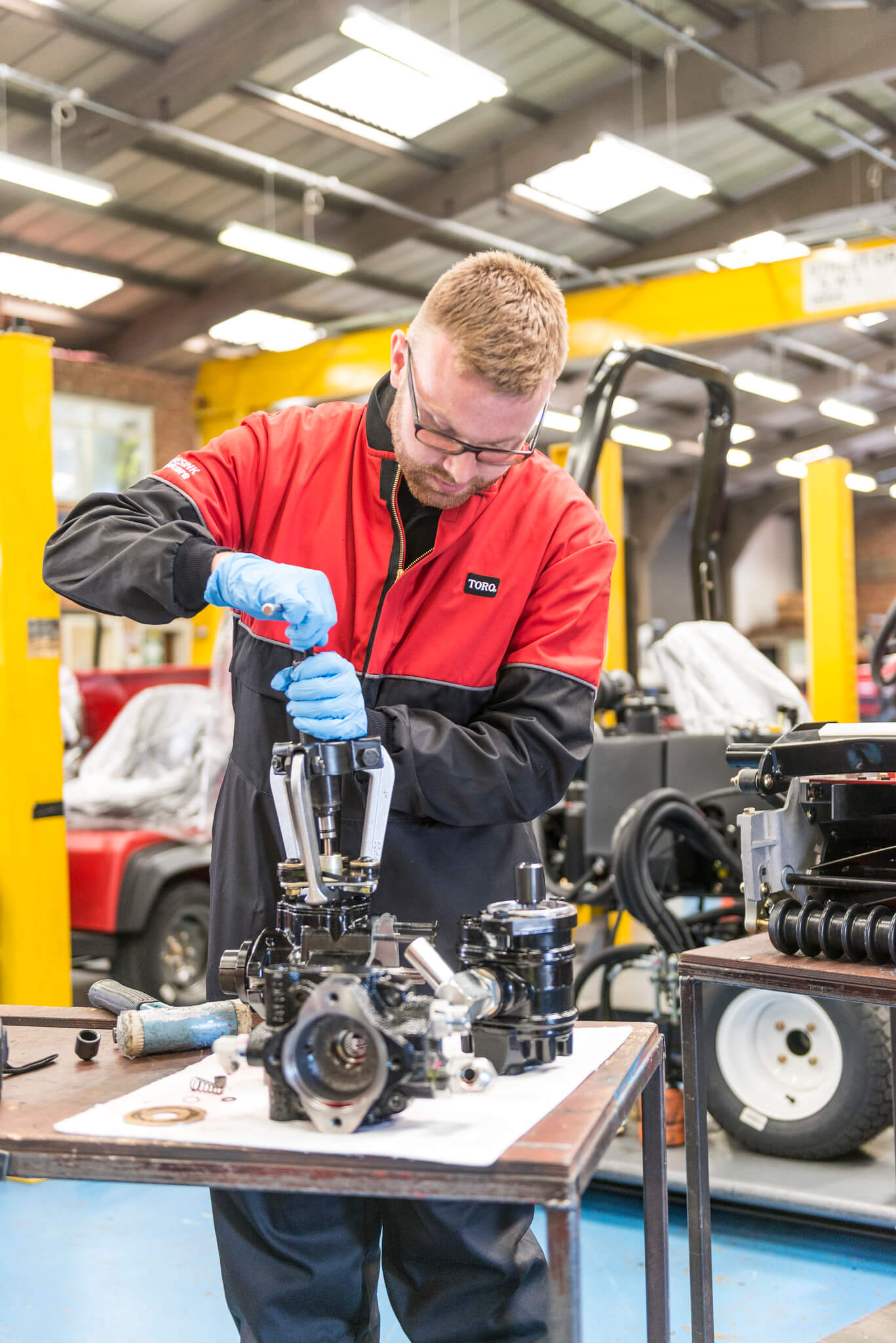
You could be employed at a sports venue, golf course, or even your local council. Depending on the venue, you may be involved in:
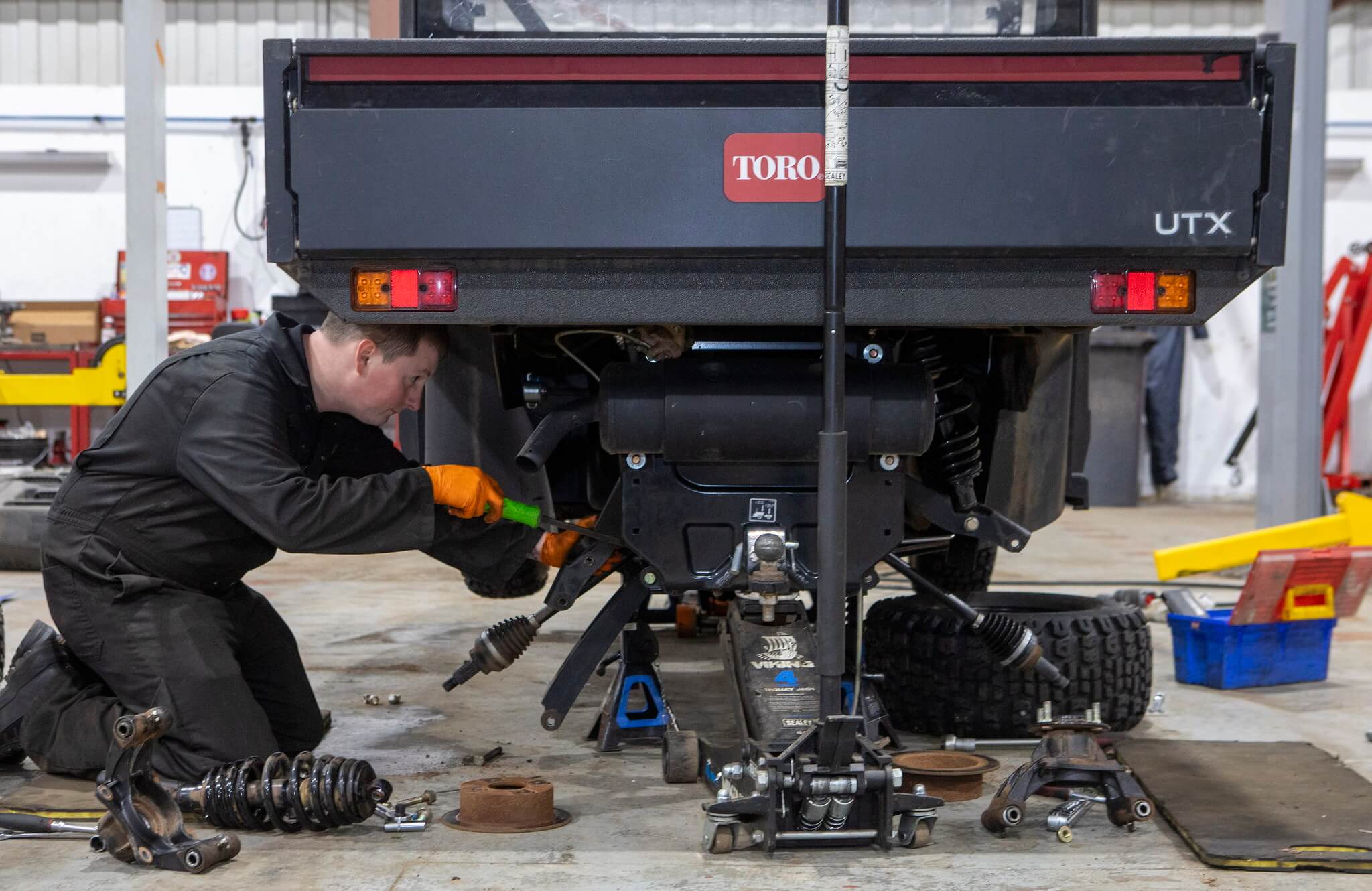
- Strip-down servicing and component replacement on engines, cutting units, hydraulic pumps, cooling systems, transmissions and electrical systems.
- Precision machine setup, including height-of-cut, cylinder-to-bedknife contact, clip rate and performance optimisation.
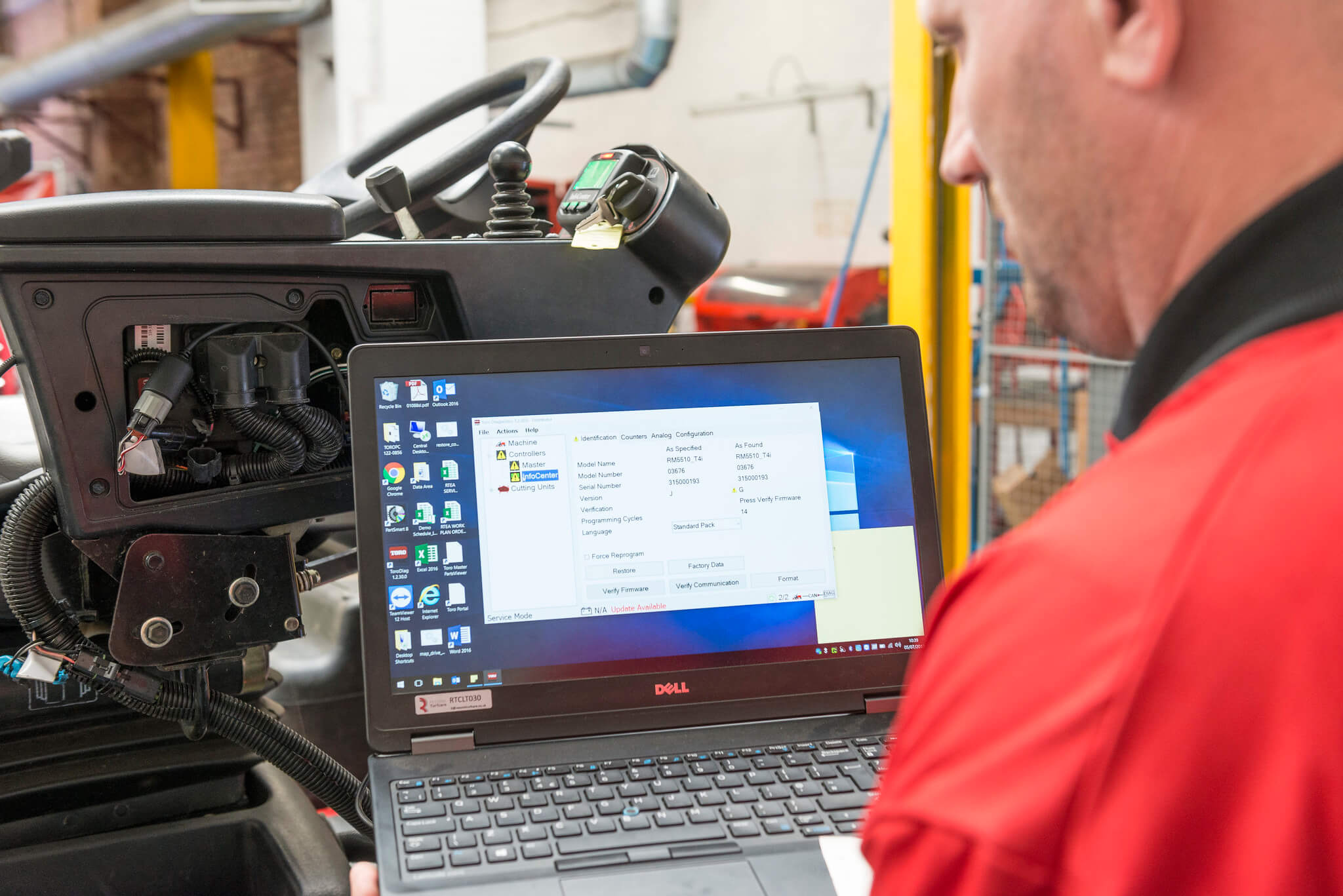
- Fault-finding and diagnostics, often using on-board software, manufacturer diagnostic tools, or telematics data.
- Daily and weekly machinery checks, including tyre pressures, fluid levels, battery condition and safety systems.
- Record-keeping and compliance, ensuring machines meet health and safety standards and manufacturer guidelines.
Alternatively, rather than working in one specific environment, you might work with a service provider or manufacturer, where you would assist a range of clients with routine servicing, maintenance, and pre-use checks.
Turfcare machinery maintenance
A significant part of the mechanic’s role will be maintenance. From mowers and aerators to utility vehicles and topdressers, you’ll need to maintain machinery to a high standard so the rest of the team can achieve optimal sports turf outcomes.
Your servicing and repair duties will involve consulting manuals to solve technical issues, effectively sharpening cutting units and mowing blades, and carrying out thorough routine machine assessments as well as daily checks.
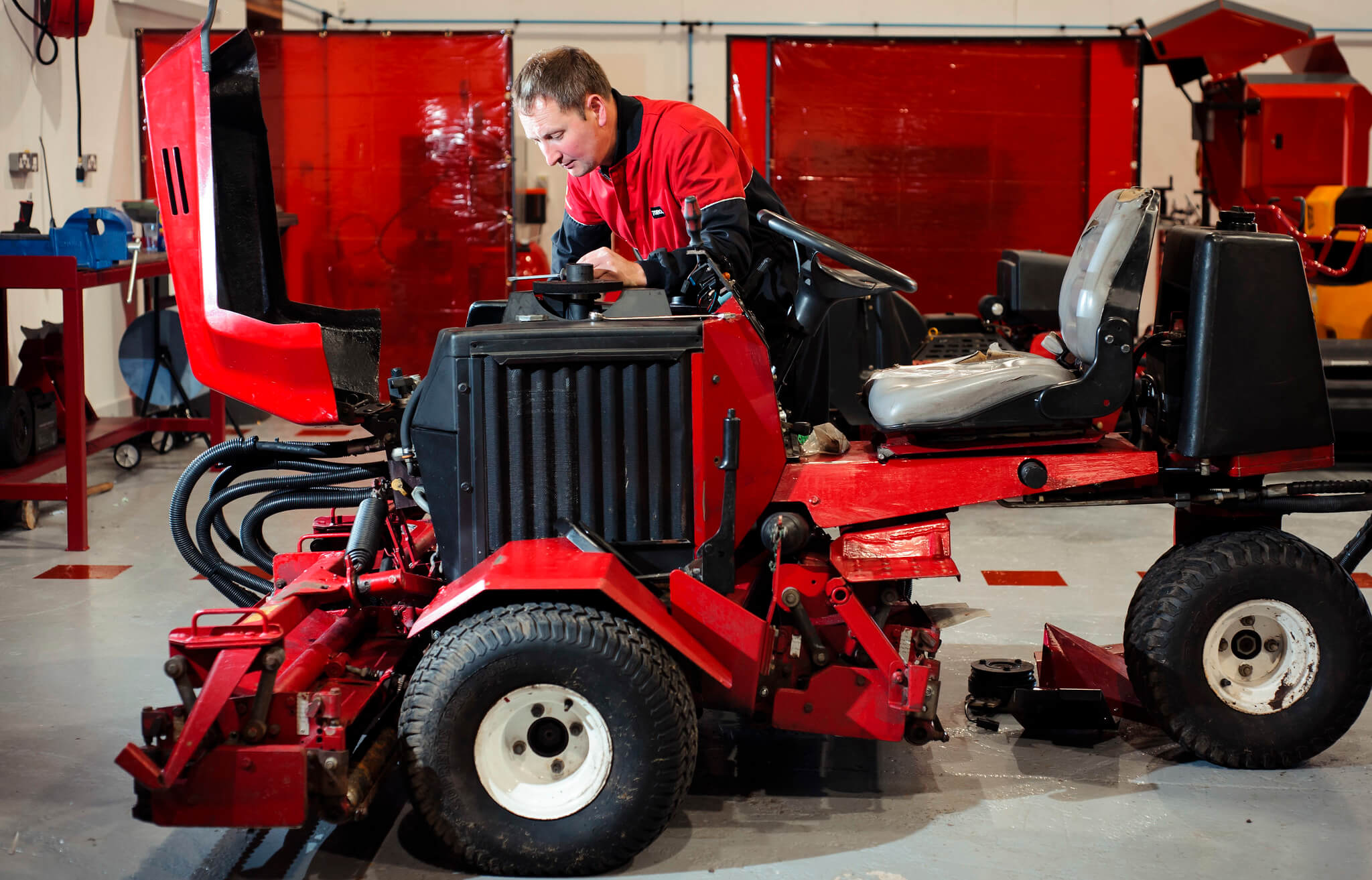
To perform these tasks well, you’ll need to build a strong knowledge base in electrics and hydraulics, as well as a clear understanding of how machinery settings influence turf health.
What skills are needed to become a turfcare mechanic?
Becoming a successful turfcare mechanic requires a blend of technical, practical and soft skills:
Core technical skills
- Mechanical competence and tool proficiency
- Knowledge of engines, electrics, hydraulics and drive systems
- Ability to use diagnostic tools, read fault codes or interpret complex data
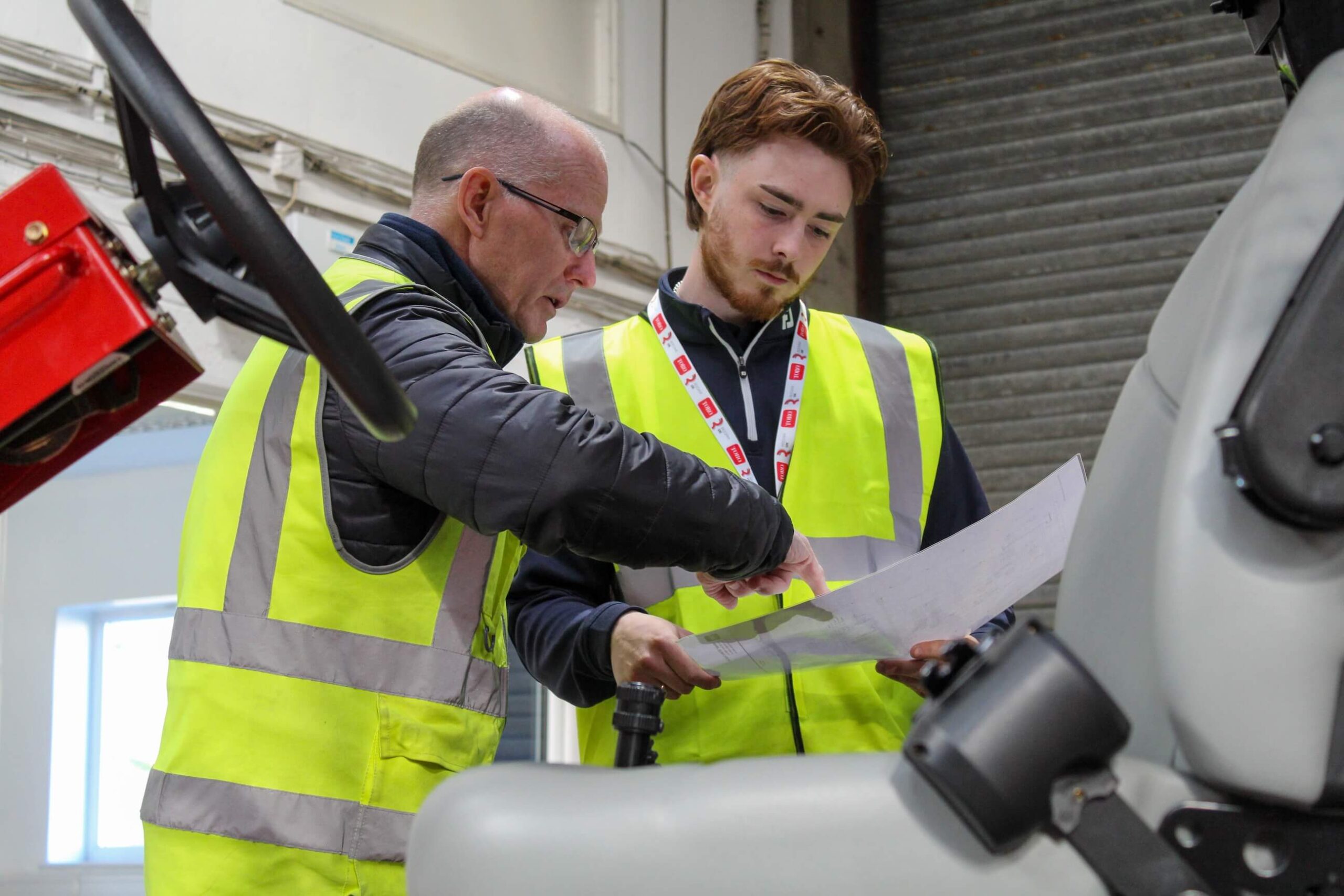
- Understanding technical drawings and service manuals
Practical and personal skills
- Attention to detail, as even small adjustments can significantly affect turf quality
- Strong organisation skills
- Problem-solving under time pressure
- Prioritisation through busy periods
- Clear communication with grounds teams, managers and manufacturers
- Independence, often working solo or making critical decisions on the spot
Working conditions and expectations
- Work can be seasonal, with high demand during spring and summer
- Early starts or weekend support may be required for tournaments or matches
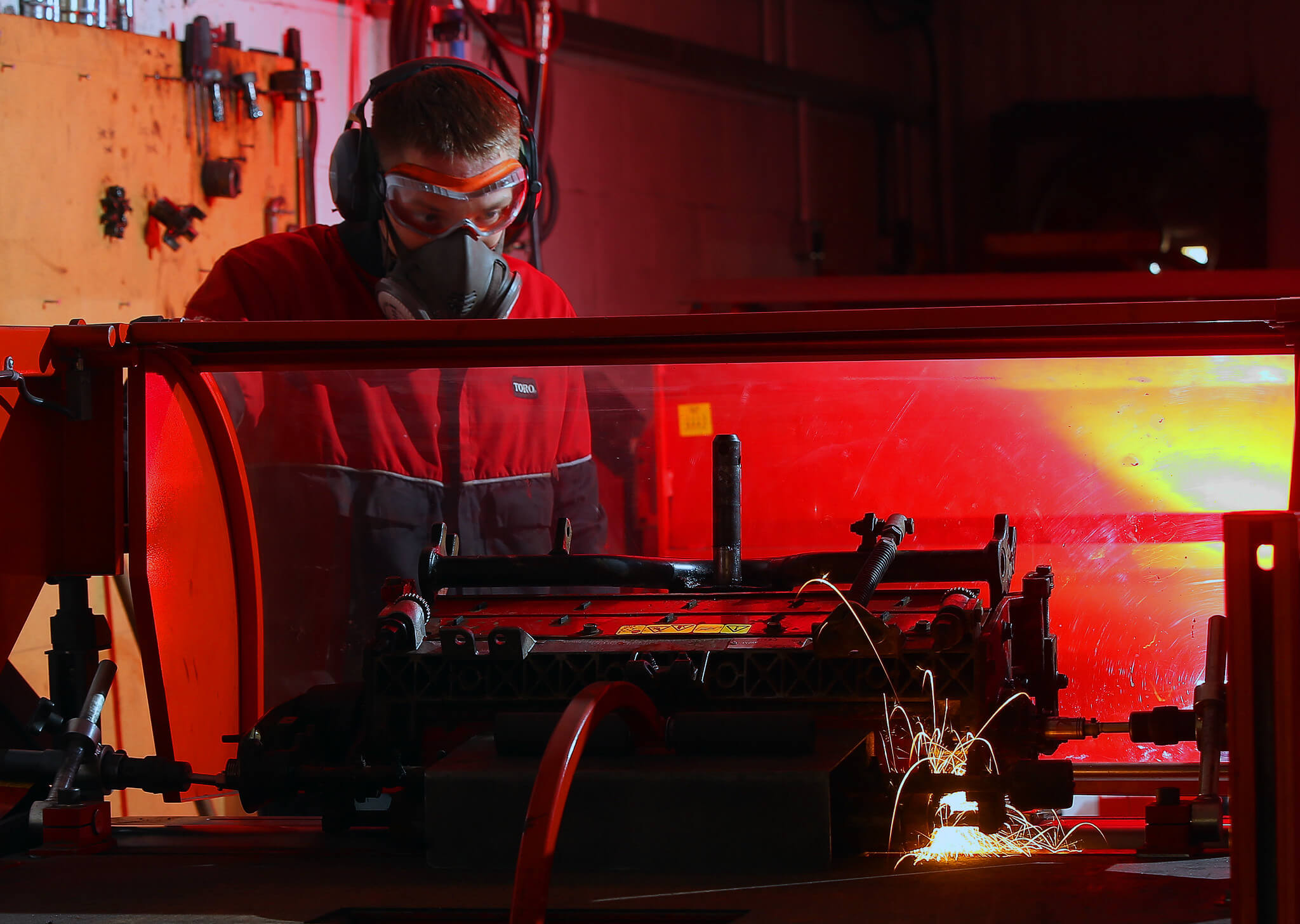
- The role can be physically demanding, involving both interior workshop and outdoor work
- Clear career progression from junior technician to senior mechanic and workshop manager or other relevant roles such as technical specialist or manufacturer representative
How to become a turfcare mechanic
Most turfcare mechanics begin their careers via on-the-job training, a Level 2 or Level 3 apprenticeship or by progressing from another practical role within grounds or workshop environments. All these paths combine structured learning with hands-on experience, helping you develop the core skills needed to maintain turf equipment safely and effectively.
Courses available
Apprenticeships at Levels 2 and 3 remain the most common entry point for aspiring mechanics.
These programmes blend classroom learning with practical development at an employer site, covering fundamental areas such as mechanical systems, electrics, hydraulics, servicing routines and workshop best practice.
If you’re transitioning from a similar industry role, such as grounds maintenance, automotive mechanics or agricultural engineering, vocational college courses or industry qualifications can help you broaden your technical knowledge and specialise in turfcare machinery.
Reesink’s Turfcare Mechanics course
Reesink’s Turfcare Mechanics training offers a hands-on, manufacturer-aligned experience. Designed for workshop mechanics, our course aims to equip attendees with an in-depth understanding of Toro equipment, helping teams keep machines running efficiently and reducing downtime.
Course objectives include:
- Troubleshooting Toro equipment
- On board machinery diagnostics
- Understanding Toro fault codes
- Safe set up of DPA cutting units to Toro’s recommendation
- Understanding after cut appearance
You’ll learn how to fine-tune Toro equipment to match your venue’s unique needs and create optimal playing conditions. These new skills could open up the door to becoming a more advanced mechanic, enabling you to take on greater responsibility and help deal with the planning of repairs and equipment servicing.
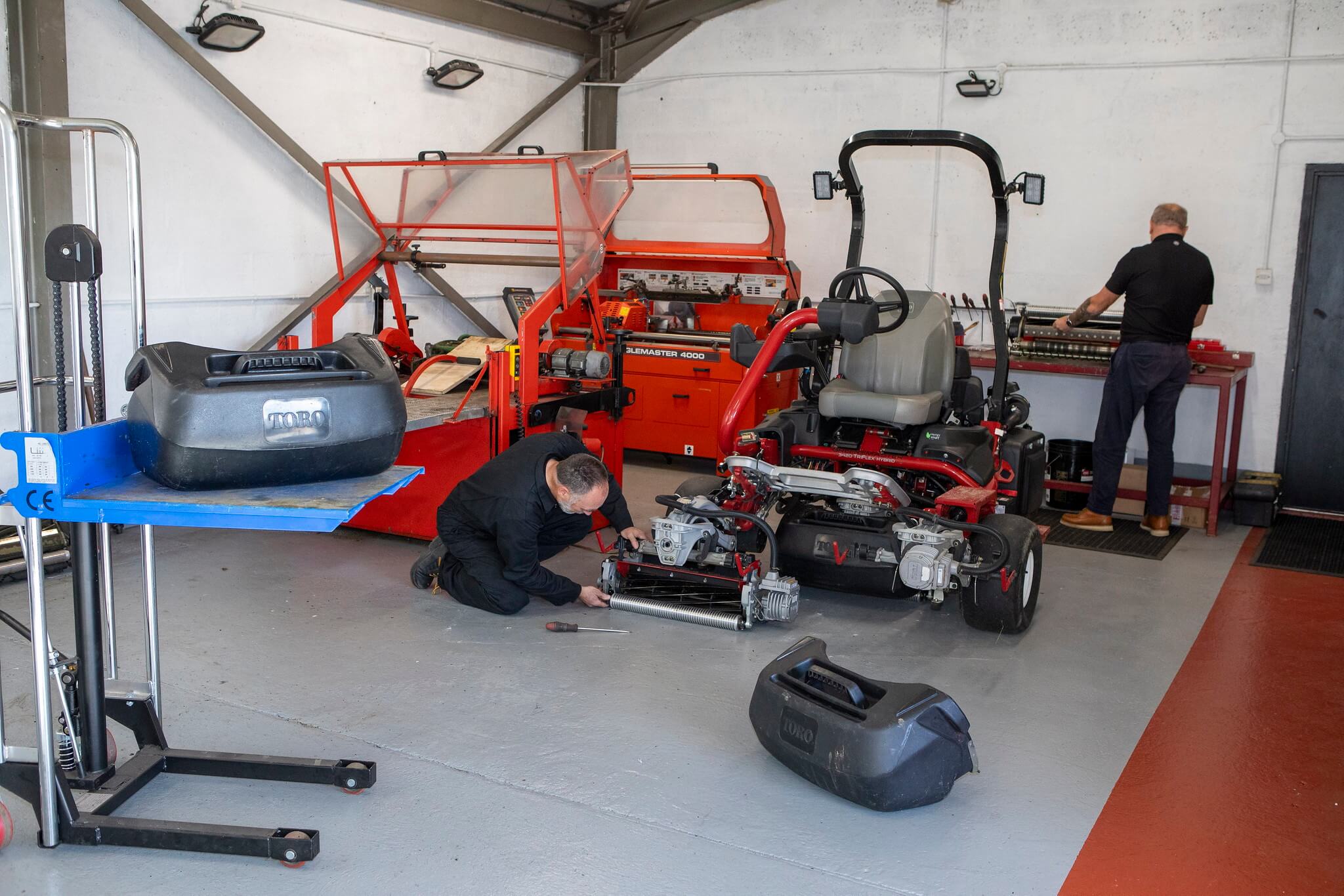
All course materials and assessments are included in the overall cost, and your manufacturer-backed certification will be provided at the end of the course.
Royal Troon – a Reesink training case study
What happened at Royal Troon is the perfect example of how Reesink’s courses can benefit your golf course and unlock new levels of turf excellence.
Head Mechanic Davy Mclelland, along with his apprentice, attended Reesink’s Turfcare Mechanics training to gain hands-on knowledge on how to dial in their machines and optimise turf performance across a broad range of conditions.

Alastair Black, Reesink Product Specialist, explained: “Factory settings give a solid starting point, but understanding how to fine-tune machines allows you to achieve the best possible turf outcomes.”
With this training, Troon’s mechanics now adjust machines almost daily, taking into account grass growth, weather, turf nutrition and other environmental factors. This level of precision has helped the team maintain consistent turf even during peak periods, including major tournaments like The Open Championship, where over 250,000 people walked across the course in just a week.
Why choose Reesink Turfcare training?
The benefits of completing a Reesink Turfcare course start from the quality of the course itself. Hands-on, this training is designed to instil the confidence to independently handle and maintain equipment.
- Led by dedicated instructors with years of experience, you can complete the course in small groups or as individuals, depending on your needs.
- All courses are conducted at your venue using your equipment and tools for complete ease of working in a familiar environment and to minimise disruption.
For added peace of mind, you can also benefit from ReeAssure, Reesink’s comprehensive maintenance programme.
ReeAssure offers structured service plans, proactive inspections, and detailed machine-health reporting, giving turf teams the ongoing support they need to keep equipment performing at its best, season after season.
Explore upcoming courses with Reesink Turfcare
Our other training courses teach you about the safe use of ride-on mowers, and how to calibrate and operate Toro spraying equipment, which would help build a well-rounded understanding of equipment use and management.
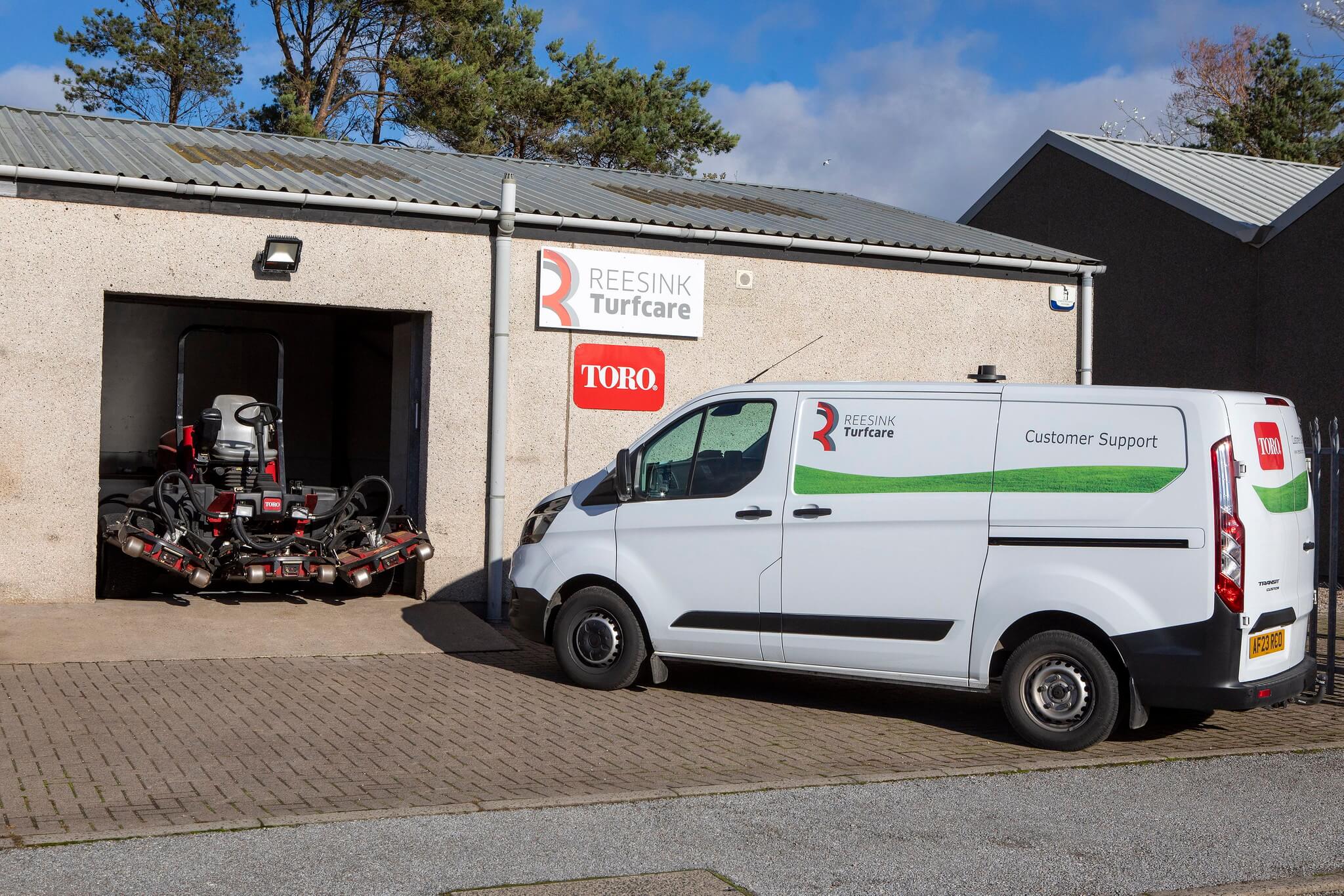
For more information, explore upcoming courses here, or get in touch with us on 01480 226800, or email info@reesinkturfcare.co.uk.