Have you considered a career in grounds management and fleet logistics?
The UK is experiencing a recruitment crisis in the greenkeeping and grounds management sectors, it’s something we covered in detail at the end of last year, but it got us thinking about how little those outside of the industry know about it. The scale and scope of the type and range of careers available.
With this in mind, we investigate and present insights into jobs within the sector that might not be the obvious choice or widely known about from the people doing them.
The first focuses on the world of logistics as we speak to David Ramsay at Mitie Landscapes to gain an understanding of what life is like as the Head of Assets, Fleets and Machinery at the UK’s biggest facilities management business.
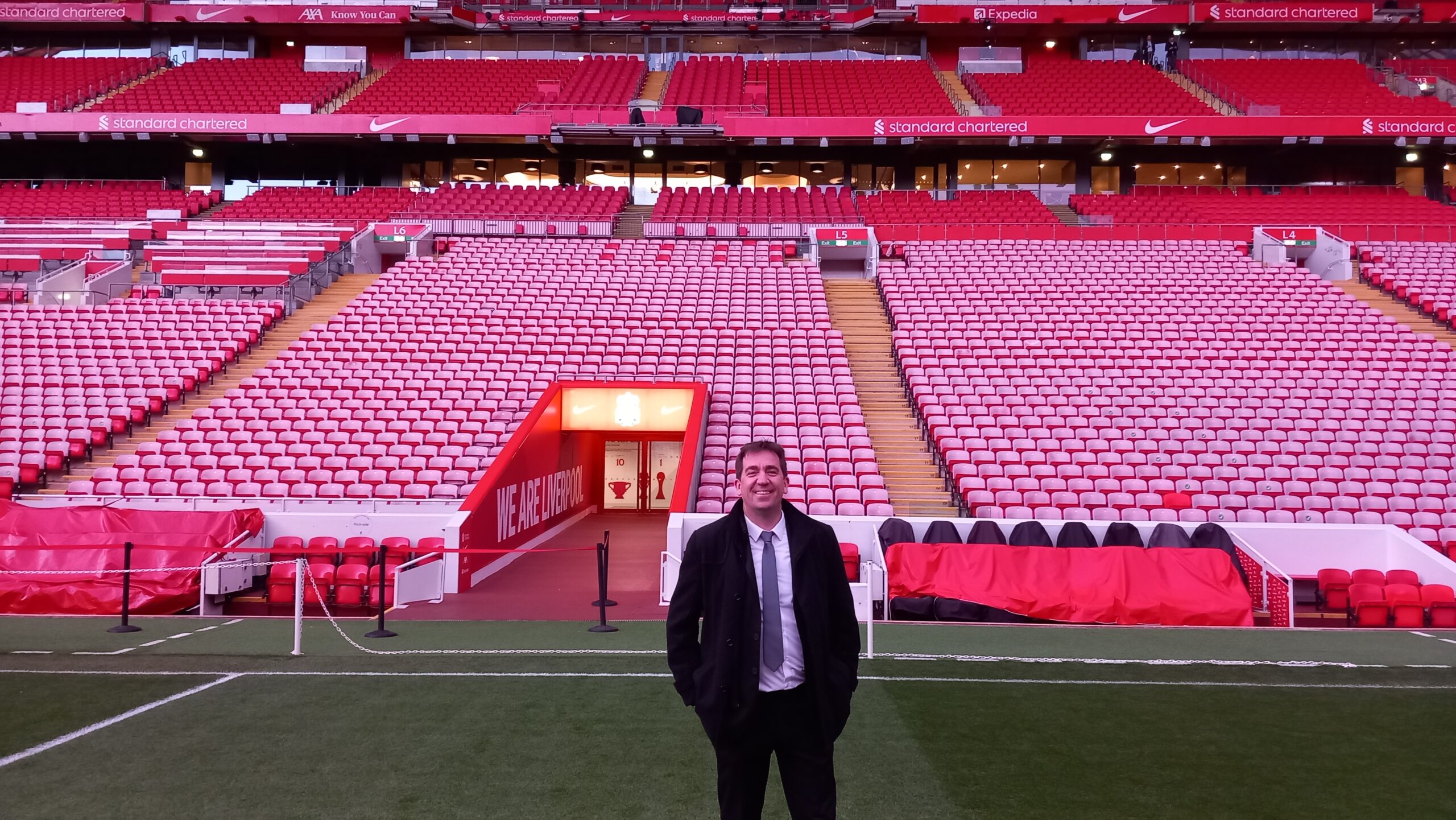
What does your job involve?
As Head of Assets, Fleet and Machinery at Mitie Landscapes I’m responsible for the management of capital item procurement, category spend, insurance claims and the property, fleet, and landscape assets portfolio.
To break that down, it means I’m responsible for managing all our landscape assets throughout their lifecycle and the teams that operate them. There are three workshops across the UK and 500 teams, and I look after the smooth running of the workshops and training and development of the staff.
I manage suppliers to support contracts with servicing, repairs, parts supply and warranty claims, negotiate with manufacturers and suppliers to lower procurement costs, evaluate new technology, and upgrade existing equipment to drive efficiency and energy improvement, maintenance cost reduction and life cycle improvement.
How would you describe the industry?
It’s very much a service sector and as such the people really make it. Everyone takes pride in a job well done and cares deeply about the customer experience. There’s a real sense of satisfaction to seeing the workspaces we look after flourish. Overall, it’s a positive and proactive community to be involved with; everyone is always striving to make a difference and contributing towards continuous improvement.

What does an average working day look like for you?
It may be a cliché, but this really is the job where every day is different. From negotiating with manufacturers and suppliers to procuring the best value machinery; to evaluating new technology and checking in on existing equipment efficiency, there is such variety.
It’s an all-year round service so not only does each day look different but the work is dependent on the season as well. In spring and summer the focus is on planting, lawn mowing, maintaining and landscaping sites, while winter is focused on keeping people and workspaces safe and making sure all vehicles are fitted and equipped for the start and closure of the winter maintenance season. There’ll always be internal servicing and repairs that need to be scheduled, and internal and external machinery maintenance records to be kept.
I spend time considering how the landscaping assets are being used and if they could be utilised more effectively and how we can continually push forward, we don’t default we’re always looking to push forwards.

How did you find yourself at Mitie?
After graduating with a degree in Business Studies from the University of Central Lancashire, my first role was a buyer at Daler-Rowney, which is a fine arts manufacturing company. From there I moved into purchasing management, then plant and machinery management. I learned how to liaise with suppliers, manage budgets and control assets. Most recently I held the position of Asset Manager at idverde UK, focusing on equipment life cycle management and maintenance programmes.
I’ve got 20 years’ experience in the sector and I gained a lot of knowledge in procurement, not just in terms of machinery, but in terms of what frontline staff use on a day-to-day basis in that time. I enjoyed delving into the operations and finding out firsthand what the issues and challenges were across different types of contracts and operating models. All of that experience comes together in my current role with Mitie.
Do you feel recruitment is an issue in this sector?
Recruitment is a challenge and is a wide-spread concern across all grounds management, not just the logistical side. There’s a generation about to move on, be it frontline staff and technicians through to management and above, and the concern is who’s going to replace them?
It’s been that way for several years and I’m not sure of the answer, but I’d like to hope some of the new technologies that are coming through will help tackle some perceived barriers. With electric vehicles, working conditions will improve – less fumes, emissions, vibrations – and equally new jobs will emerge and the tech-savvy generation coming through will be more important than ever. We’ll need technicians with specialisms and knowledge of new technologies such as robotic and autonomous machinery. There’s change ahead and I think we’ll see the industry reshape over the next decade.

Does AI solve the recruitment problem?
I can see AI offsetting the recruitment challenge and focusing skill sets in more specific areas, reducing manual labour requirements so staff can be redeployed on more skilled aspects of the role.
What’s your advice to those interested in joining the industry?
It’s a career choice some might not necessarily be aware of, but certainly one that is rewarding with the option for great job longevity and security.
There’s a lot of scope within it. For example, Mitie has job opportunities in customer services, corporate functions, operations, business development, marketing and communications, healthcare, energy management and more, so I’d suggest doing some research into the areas that interest you and focus there.
Connect with people in the industry via LinkedIn to build a network and reach out to businesses, asking to be added to their recruitment database. Following them on their social channels is a great way to spot opportunities. Check job pages, sign up for company job alerts, join associations and enquire after work experience opportunities.
We hope that by understanding more about the range of career options available in the industry will inspire you to take the first steps to join the industry. We have further resources you can take advantage of: our Associations page lists organisations who are committed to furthering, supporting and educating people in the industry, and there may be some job opportunities at Reesink – it’s worth a look!