
Golf course maintenance costs: A quick guide to budgeting, leasing, total cost of ownership and more
Golf course maintenance is one of the most critical investments golf clubs make. From course presentation and quality of play to machine performance and staff productivity, every maintenance decision has a direct impact on both members’ experience and the club’s reputation.
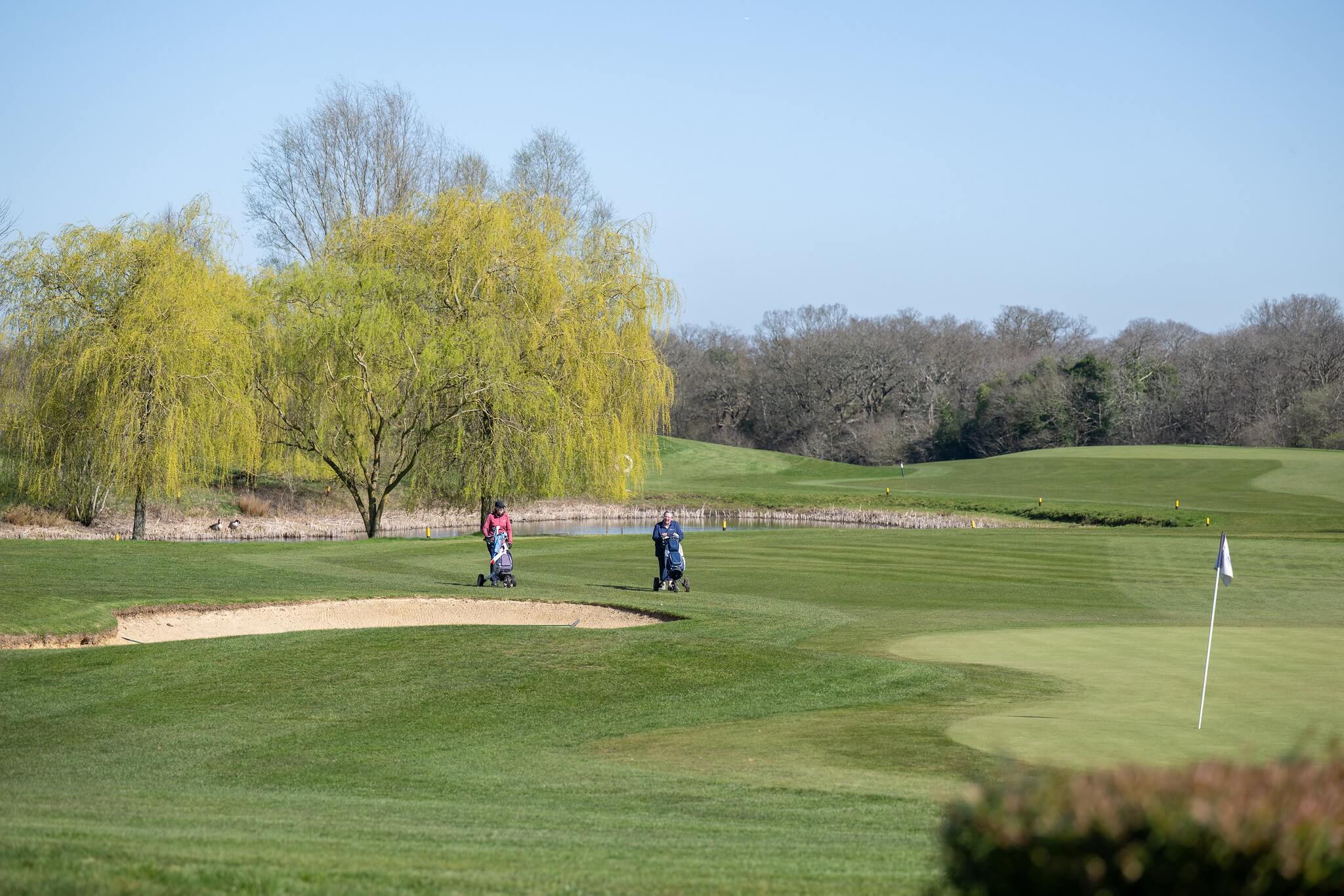
However, determining how much golf course maintenance actually costs is rarely straightforward. In this guide, we’ll explore how the true cost goes far beyond the purchase price of a machinery fleet, and includes considerations such as labour, servicing, fuel or energy use, renovation work and the other costs of keeping machinery operating efficiently.
What drives the biggest cost of maintaining a golf course?
Golf course maintenance combines multiple running costs, many of which are interconnected and influence one another.
1. Labour
Skilled staff remain one of the biggest assets for modern golf clubs so, unsurprisingly, the cost of labour is one of the largest ongoing expenses. It is estimated that almost 50 pence in every pound generated by a golf club is spent on maintaining the course, with the majority of that on salaries and labour.
This includes:
- Greenkeeping staff and specialist mechanics
- Seasonal labour
- Overtime compensation during peak periods
- Specialist contractors for renovation work
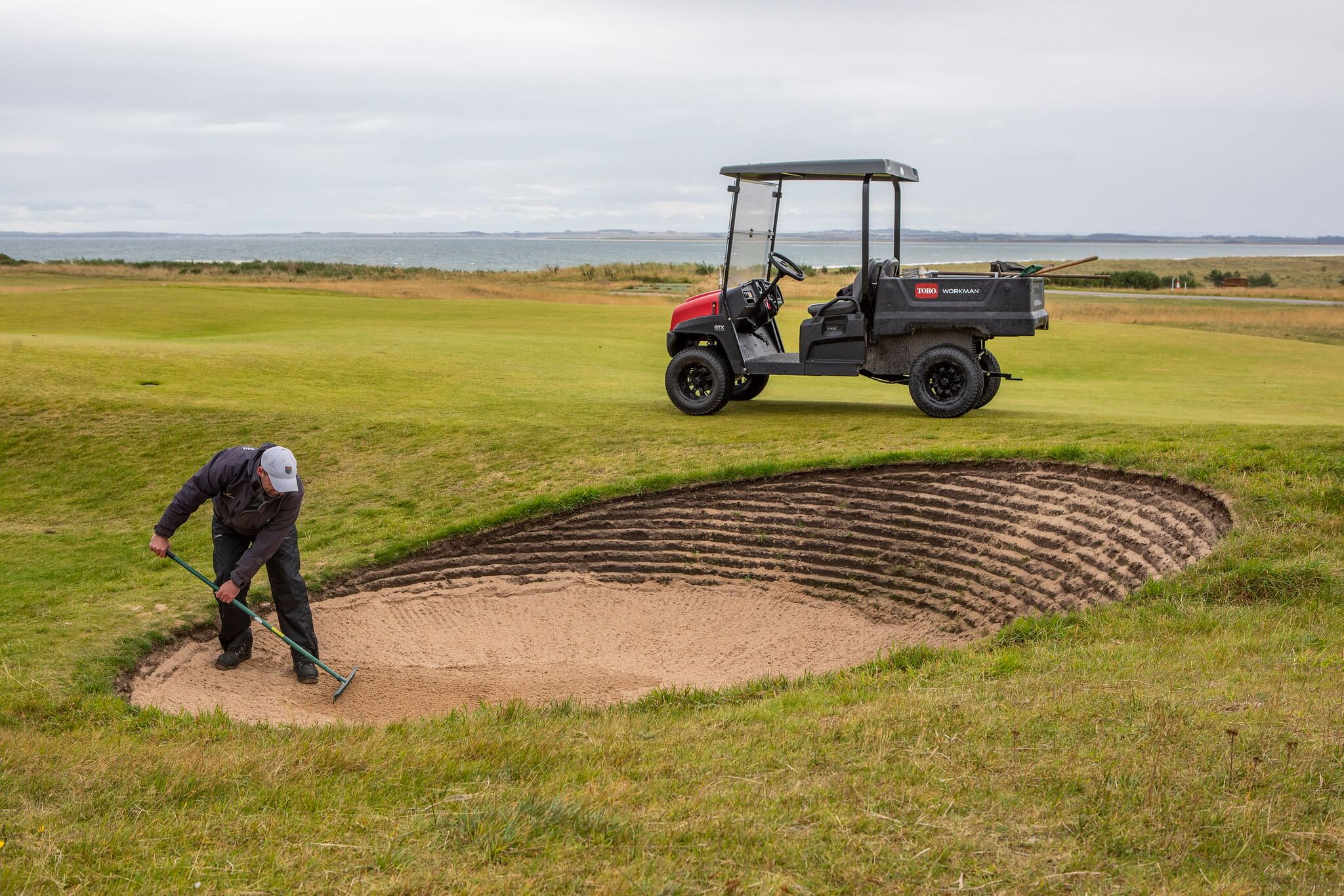
Additionally, machinery decisions can directly affect labour efficiency. More efficient modern equipment may reduce mowing time, streamline daily tasks and allow teams to cover larger areas more effectively.
2. Machinery and fleet investment
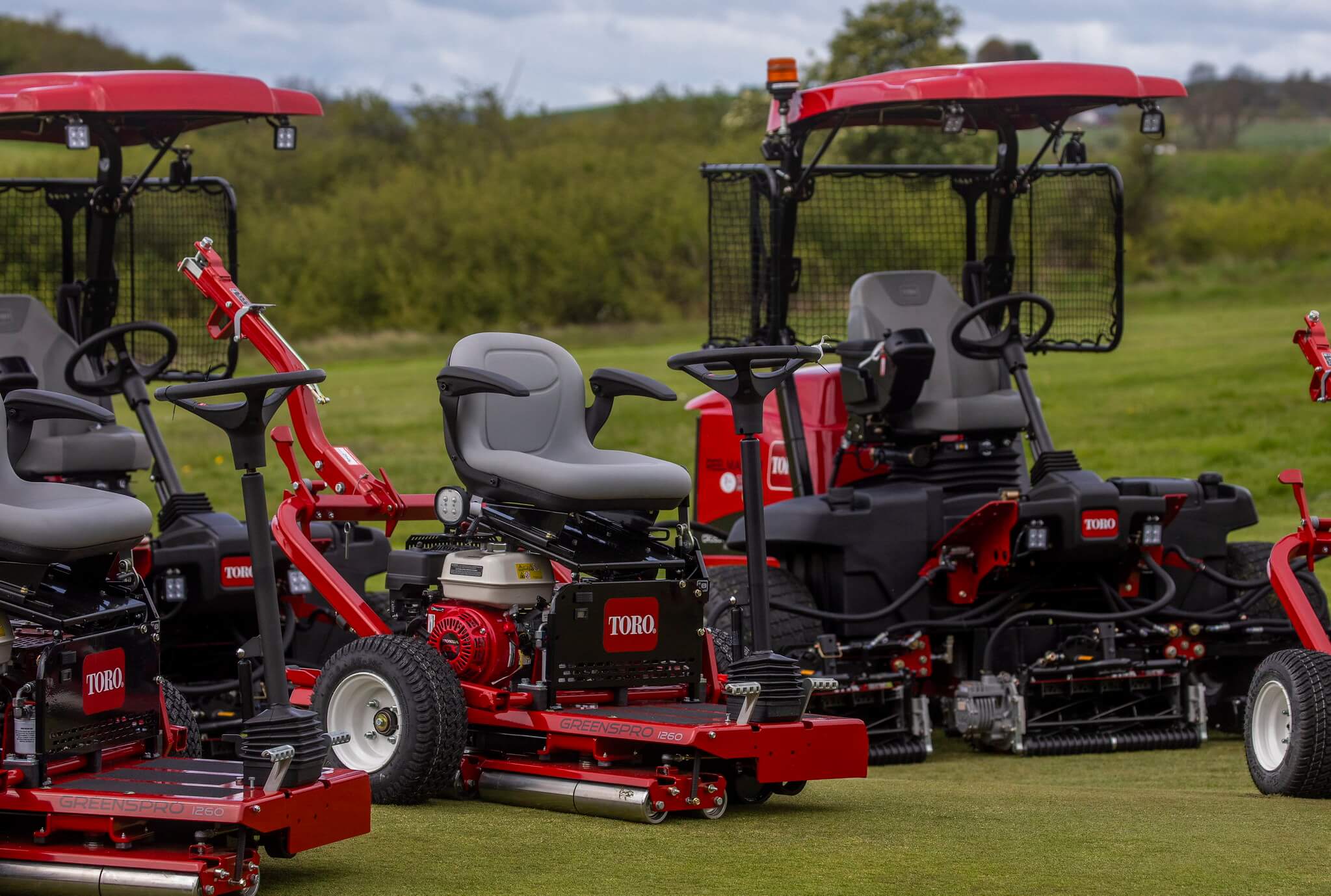
Mowers, utility vehicles, sprayers, aerators and irrigation equipment all represent significant investments. However, machinery costs are not limited to purchase alone. Clubs must also consider:
- Replacement cycles
- Reliability
- Maintenance requirements
- Fuel or battery costs
- Productivity and uptime
3. Servicing and parts
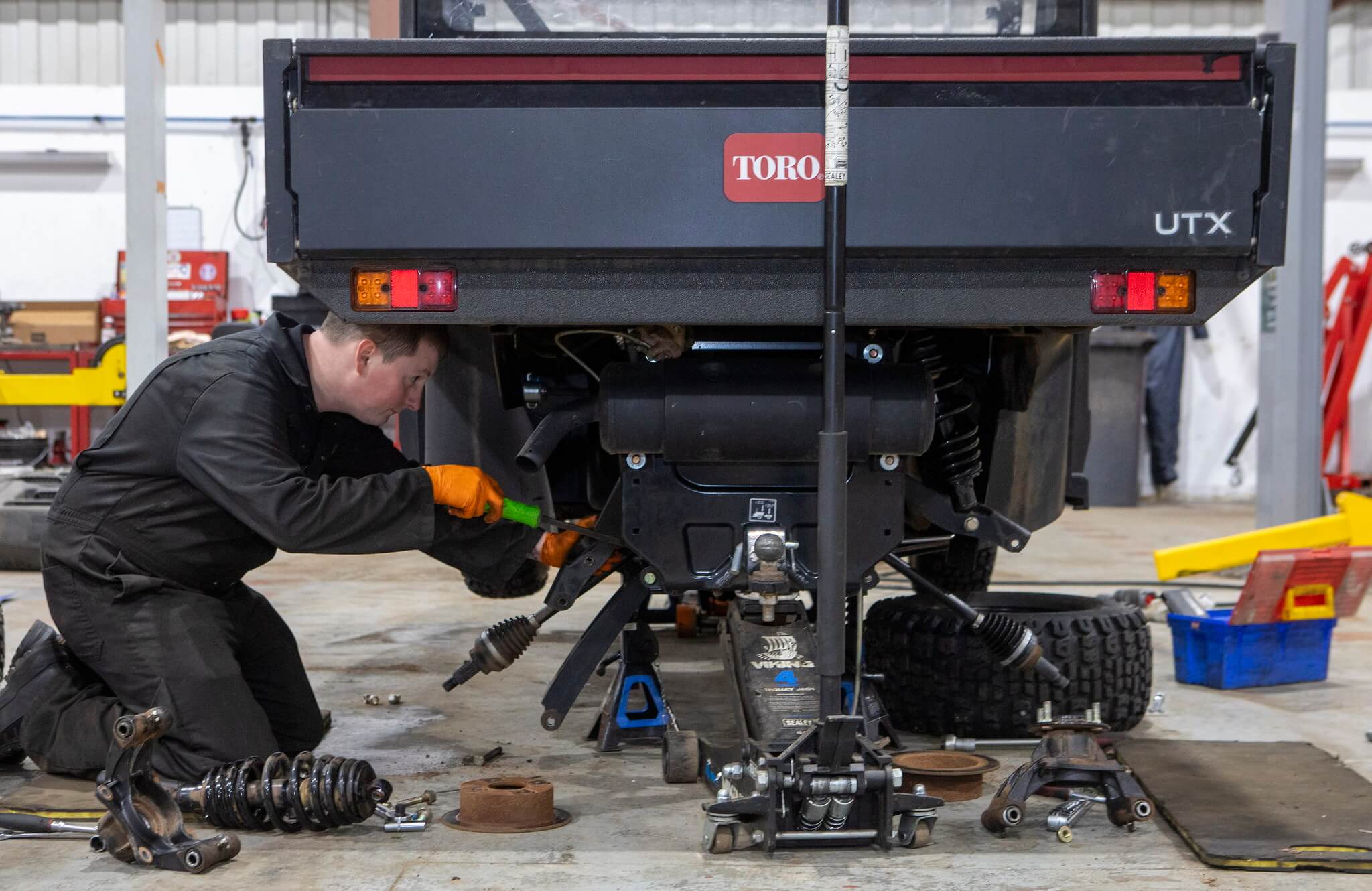
Routine servicing is essential to maintaining performance and preventing downtime. Further course costs here may include:
- Genuine replacement parts
- Preventative maintenance
- Workshop labour
- Unexpected repairs
While lower-quality equipment can sometimes seem tempting, appearing as a cost-effective solution at first, it often leads to higher servicing expenses over time.
4. Fuel and energy
Whether clubs choose diesel, electric or hybrid machinery, each power option comes with its own associated costs. Diesel-powered fleets bring ongoing fuel expenses, while electric and hybrid machinery require consideration of charging infrastructure and energy consumption. As more clubs explore sustainable fleet strategies, energy efficiency is becoming an increasingly important budgeting factor.
5. Seasonal renovation work
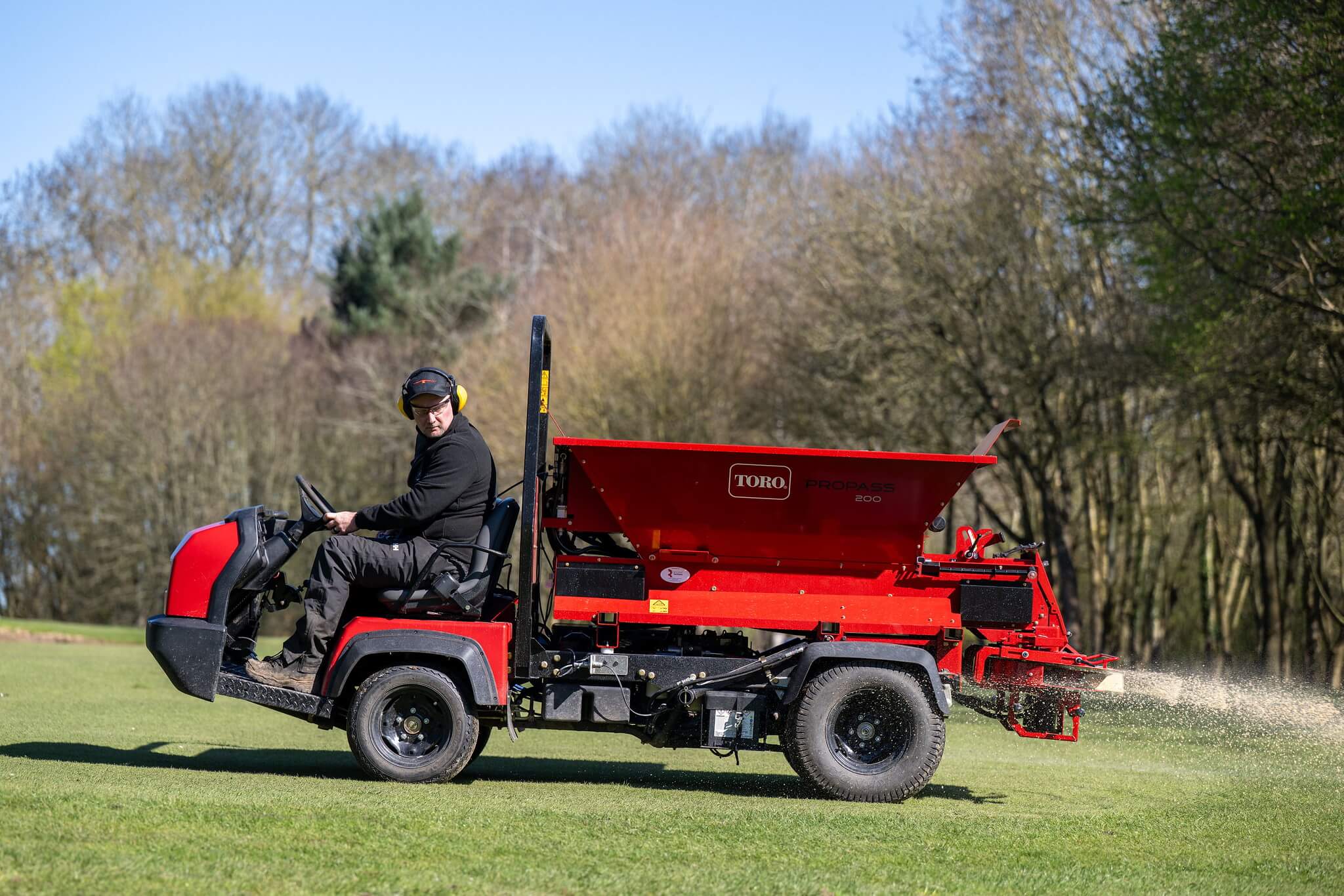
Renovation periods often require additional machinery use, labour and materials, particularly for:
- Aeration
- Scarification
- Overseeding
- Topdressing
These periodic maintenance programmes can represent a substantial annual expense, particularly on high-performance courses.
Why upfront price is only part of the picture
When budgeting for golf course maintenance, it can be tempting to focus primarily on initial purchase price. However, this approach can cause inconsistencies after a detailed cost-benefit analysis, as the cheapest machine upfront is not always the lowest-cost option over time.
Indeed, lower-priced machines may ultimately lead to:
- Higher servicing costs
- Increased downtime
- Reduced productivity
- Shorter working lifespan
- Poorer fuel or energy efficiency
Over several years, these factors can significantly increase the real cost of ownership. For example, a machine that spends more time out of service may create operational disruption during critical maintenance windows. Likewise, lower productivity can increase labour costs simply because tasks take longer to complete.
This is why many clubs are now shifting their focus away from short-term spend and towards long-term value to actually save money, while maintaining high course standards that meet members and visitors expectations.
Understanding total cost of ownership (TCO)
Total cost of ownership (TCO) is a simple but important concept that helps clubs assess the real long-term cost of investing in golf course machinery.
Rather than looking only at purchase price, TCO considers the full lifecycle cost of owning and operating a machine.
This includes:
- Initial purchase cost
- Servicing and repairs
- Parts and consumables
- Fuel or energy usage
- Downtime and reliability
- Productivity and labour impact
- Lifespan and resale value
A machine with a higher upfront cost may actually deliver better value over time if it lasts longer, requires fewer repairs, operates more efficiently and retains a stronger resale value
For more information, check our in-depth guide to total cost of ownership. The key here is that TCO isn’t simply about reducing cost: it’s about understanding where value comes from over the lifetime of the machine.
How to budget more effectively for golf course maintenance
Effective golf course maintenance budgeting requires a balance between immediate operational needs and long-term planning.
Plan across multiple seasons
Maintenance planning should extend beyond a single annual budget cycle. It’s useful to analyse costs over the club’s historic machinery replacement schedule, for example, over five-, seven- or ten-year periods, to reflect the true lifecycle cost of equipment ownership and replacement.
Machinery replacement, servicing schedules and renovation programmes all operate on longer timelines. Looking several seasons ahead allows clubs to anticipate major costs before they become urgent.
Understand replacement cycles
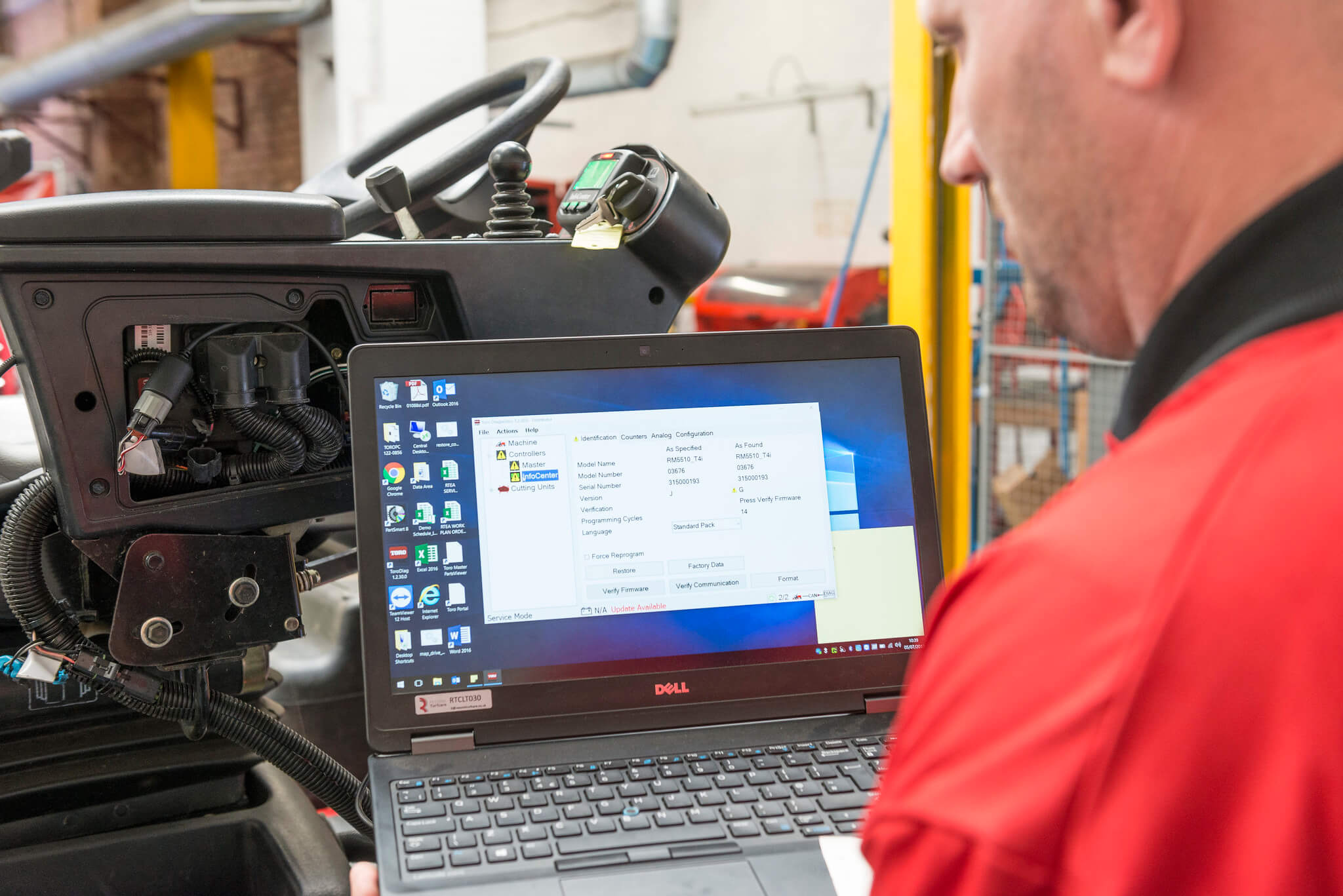
Every machine has a realistic operational lifespan. Delaying replacement too long can increase repair costs, downtime and operational inefficiency. Planning ahead helps avoid reactive decision-making.
Factor in efficiency, not just purchase price
The machinery you buy determines much more than upfront expenses. Productivity gains can reduce labour pressure, improve aesthetic consistency and free up time for other maintenance priorities.
This becomes especially important as many clubs continue to face labour shortages and increasing expectations around course presentation.
Align your investment with course expectations
Course standards, member expectations and tournament ambitions all affect machinery requirements.
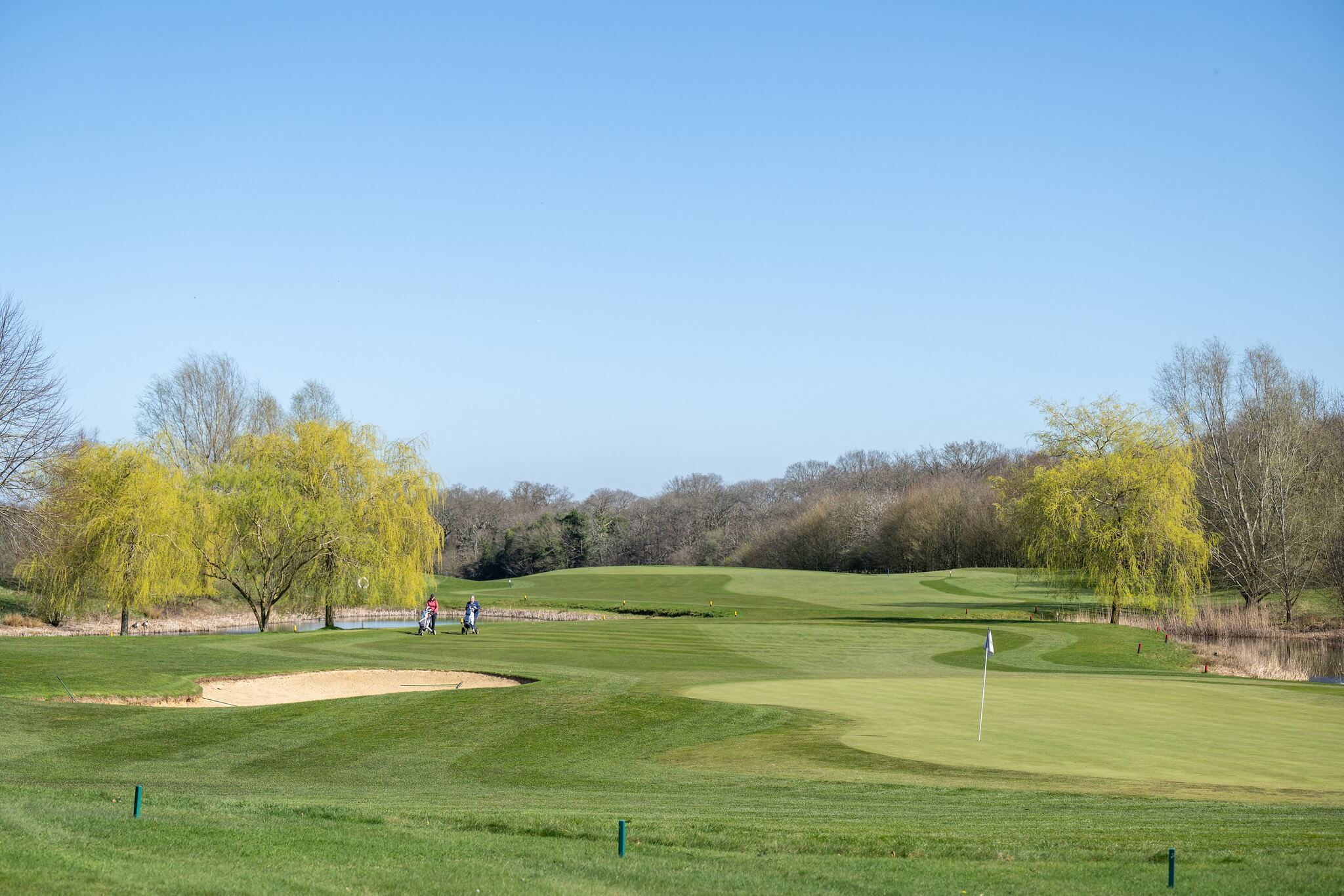
The equipment needed for a high-end championship venue may differ significantly from that required at a smaller club: budget decisions should reflect the level of presentation and performance the course is aiming to achieve.
Consider long-term sustainability
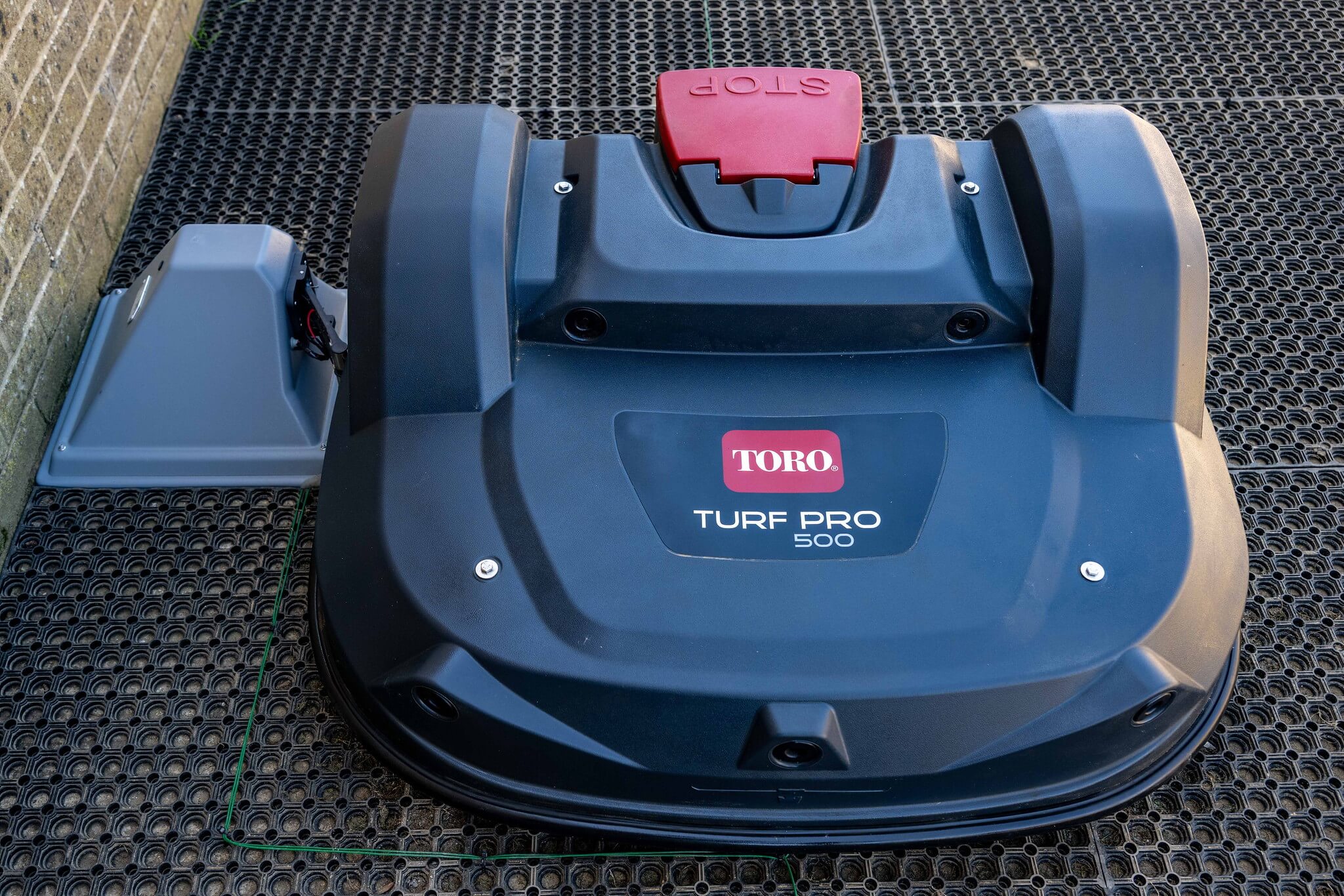
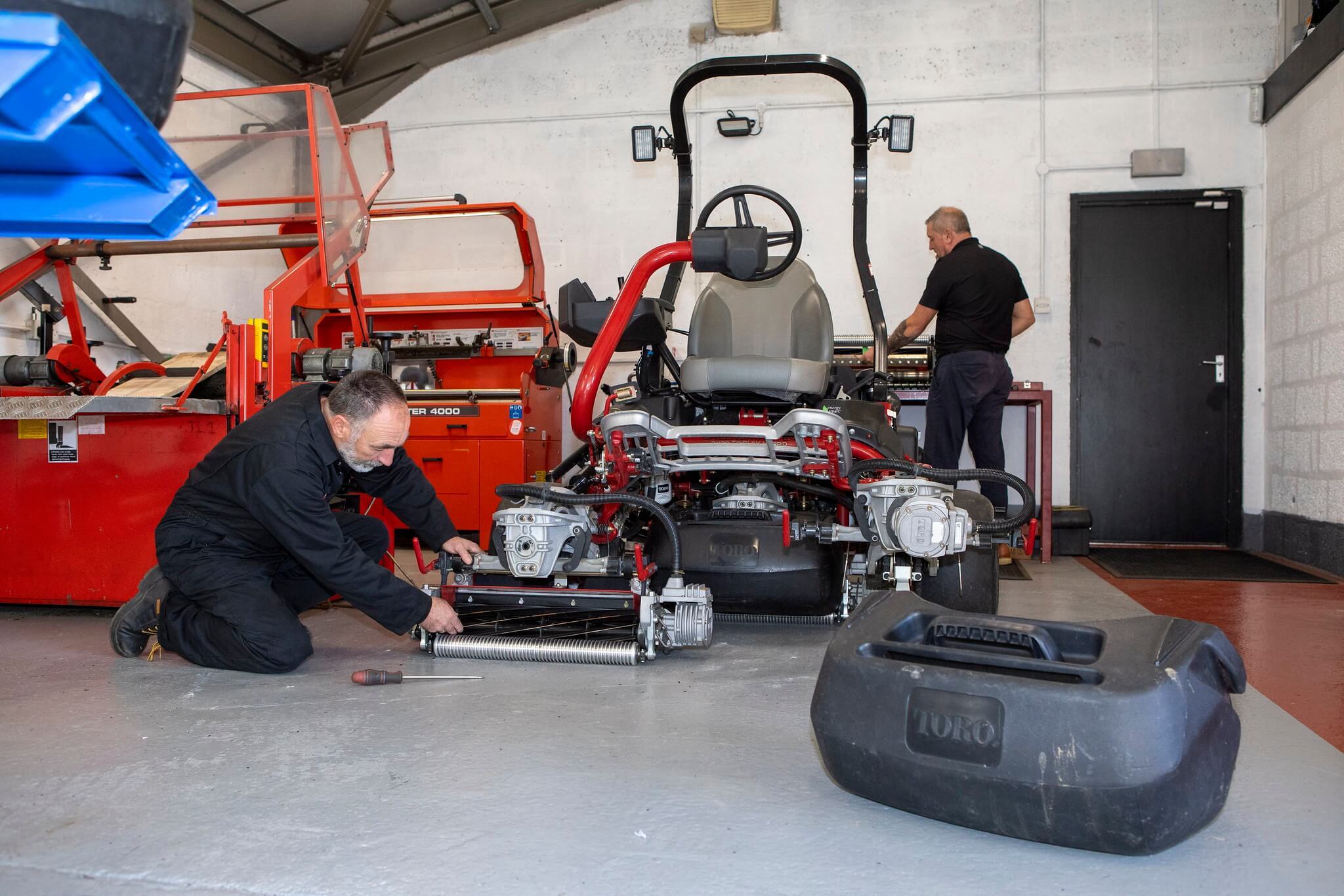
Electric, hybrid and autonomous machinery are increasingly becoming part of long-term planning discussions. The use of autonomous mowing technology, in particular, is becoming increasingly popular in golf course maintenance, allowing for more efficient and consistent grass cutting.
While these technologies may involve different upfront considerations, they can also contribute to:
- Lower fuel costs
- Reduced emissions
- Lower noise levels
- Simplified maintenance requirements
Leasing, finance and other bespoke options
Golf clubs do not always need to fund machinery investment through a traditional upfront purchase.
Flexible finance options can help spread costs more effectively, while allowing clubs to access the equipment they need at the right time.
Leasing
Leasing allows clubs to spread machinery costs over a fixed term, helping to maintain cash flow and improve budgeting predictability. This can be particularly useful for:
- Fleet renewal programmes
- Managing replacement cycles
- Accessing newer technology without a large upfront capital spend
Finance agreements
Finance packages can help clubs invest in machinery while balancing other operational priorities. Options such as Reesink’s Buy Now, Pay Later offering, or finance arranged through reputable partners such as Novuna, can make larger investments more manageable and support long-term planning through structured repayment plans.
Bespoke options
Clubs can also explore tailored finance options through Reesink Turfcare to support long-term machinery investment and budgeting. The key benefit of these approaches is not simply affordability but the ability to make proactive decisions rather than delaying essential investment.
Why the right machinery partner matters
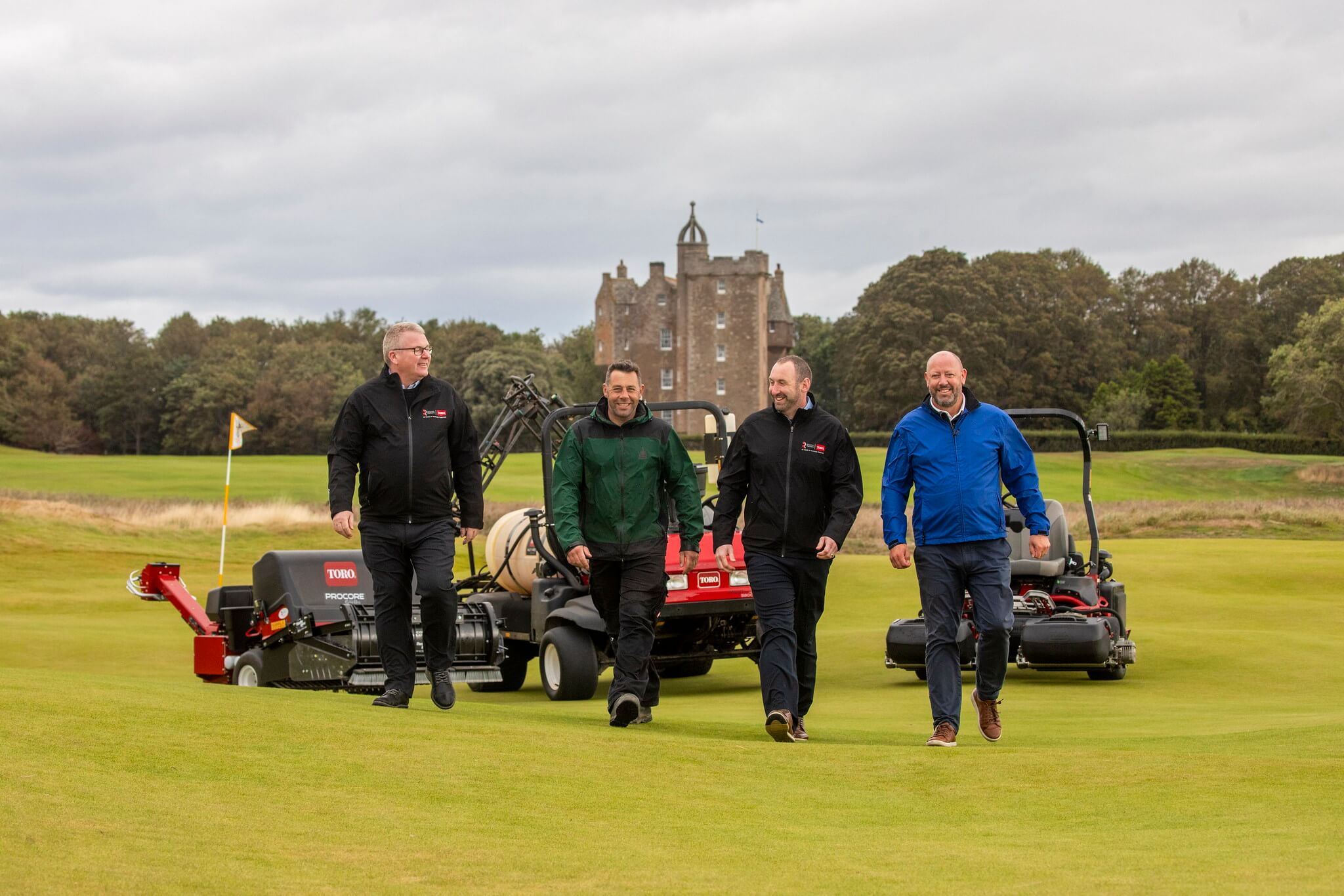
Toro machinery has built a strong reputation across golf course maintenance for durability, consistency and productivity across a wide range of applications.
From greens and fairway mowers to utility vehicles and new autonomous technology, Toro’s innovative equipment help clubs build resilient maintenance strategies that deliver unmatched turfcare excellence.
But machinery is only part of the equation. Toro’s exclusive UK distributor, Reesink Turfcare, supports clubs not only with equipment supply, but also with:
- Genuine parts
- Servicing and technical support
- Finance and leasing guidance
- Long-term fleet planning
This partnership approach helps clubs make more informed decisions, balancing budget, operational efficiency and course expectations over time. If you’re reviewing your machinery strategy or planning future investment, Reesink can help you explore the equipment, support and finance solutions that deliver long-term value for your course.
Visit reesinkturfcare.co.uk to learn more or call 01480 226800 to speak with our product specialists.