
Five things to avoid when introducing autonomous and robotic mowers to your club
Autonomous and robotic mowers are the latest technology revolutionising the golf industry: today, they’re helping an increasing number of clubs optimise labour, maintain consistent playing conditions and get more value from their resources.
But while the benefits are undeniable, autonomous mowing isn’t a simple “switch on and walk away” solution. Like any major change to course operations, the way it’s introduced makes a significant difference to the final outcome.
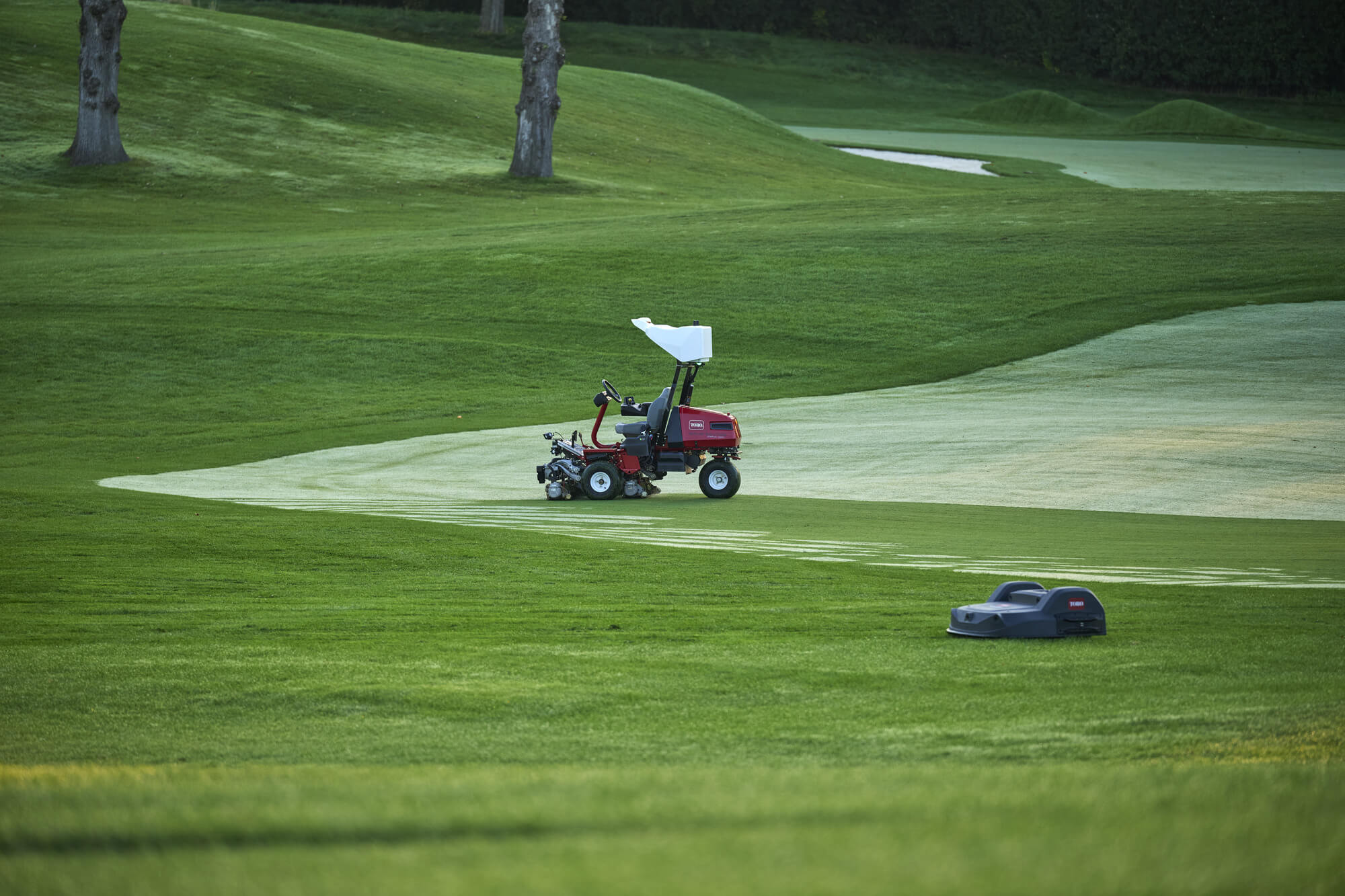
At Reesink Turfcare, we work with clubs across the UK to plan, install and fine-tune autonomous mowing systems. From early site assessments through to mapping, setup and training, we often encounter the same five issues when clubs adopt new autonomous machines.
In this article, we examine these common mistakes as well as the best ways to avoid them.
Mistake #1: Assuming robot mowers are plug-and-play solutions
One of the biggest misconceptions is that introducing a new autonomous machine is simply a matter of replacing a traditional mower with another one. In reality, successful autonomous mowing starts long before the machine arrives on site.
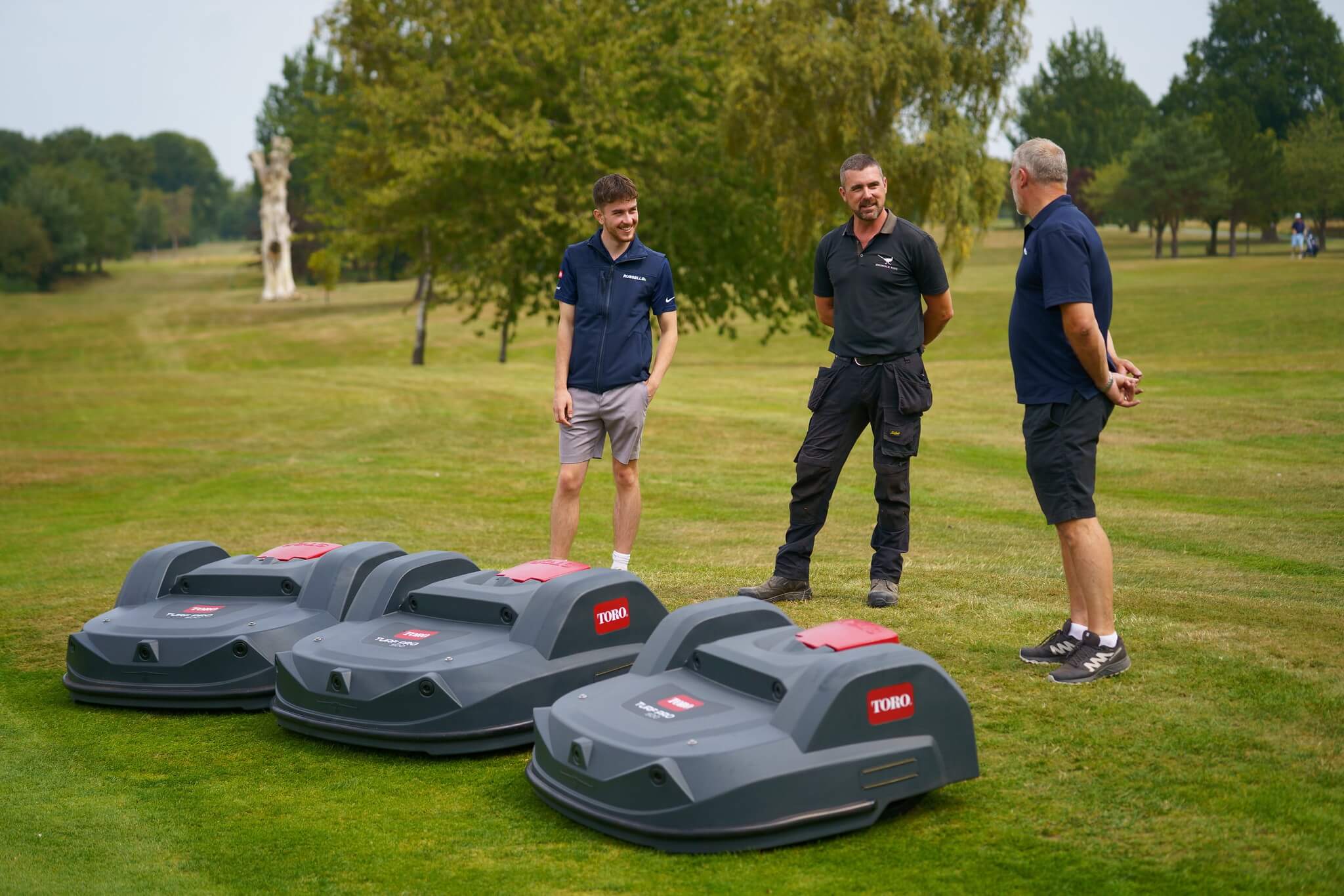
Robotic mowers like the Toro Turf Pro range rely on high-accuracy GPS and RTK positioning technology to operate with extreme precision within pre-defined virtual boundaries – no perimeter wires required.
That means the course needs to be digitally mapped, charging stations must be installed strategically to enhance the battery life of these units and preferences like mowing time and cutting height must be configured before work begins.
To do all this, clubs need to understand key details about the course and mower, for instance:
- How large each mowing zone is
- How long the mower can operate on a single charge
- How the machine returns to charging stations
- How work schedules fit around play
When these factors are planned properly, autonomous mowers become more efficient and ensure reliable performance. For more information on how we can help you get started and prepare your course with a site survey, check out our practical guide.
Mistake #2: Not adjusting the autonomous mower to suit your course layout
Autonomous mowing works best when there is a fine balance between adapting the robot to the course and adapting the course to the robot.
Golf courses naturally contain features that can challenge robotic navigation, including:
- Narrow access points between holes
- Steep slopes or uneven terrain with sharp level transitions
- Tree roots or exposed irrigation hardware
- Bunker edges or irregular boundaries
None of these obstacles are deal-breakers, but identifying them early helps ensure autonomous mowers can work seamlessly rather than stopping or rerouting intermittently.
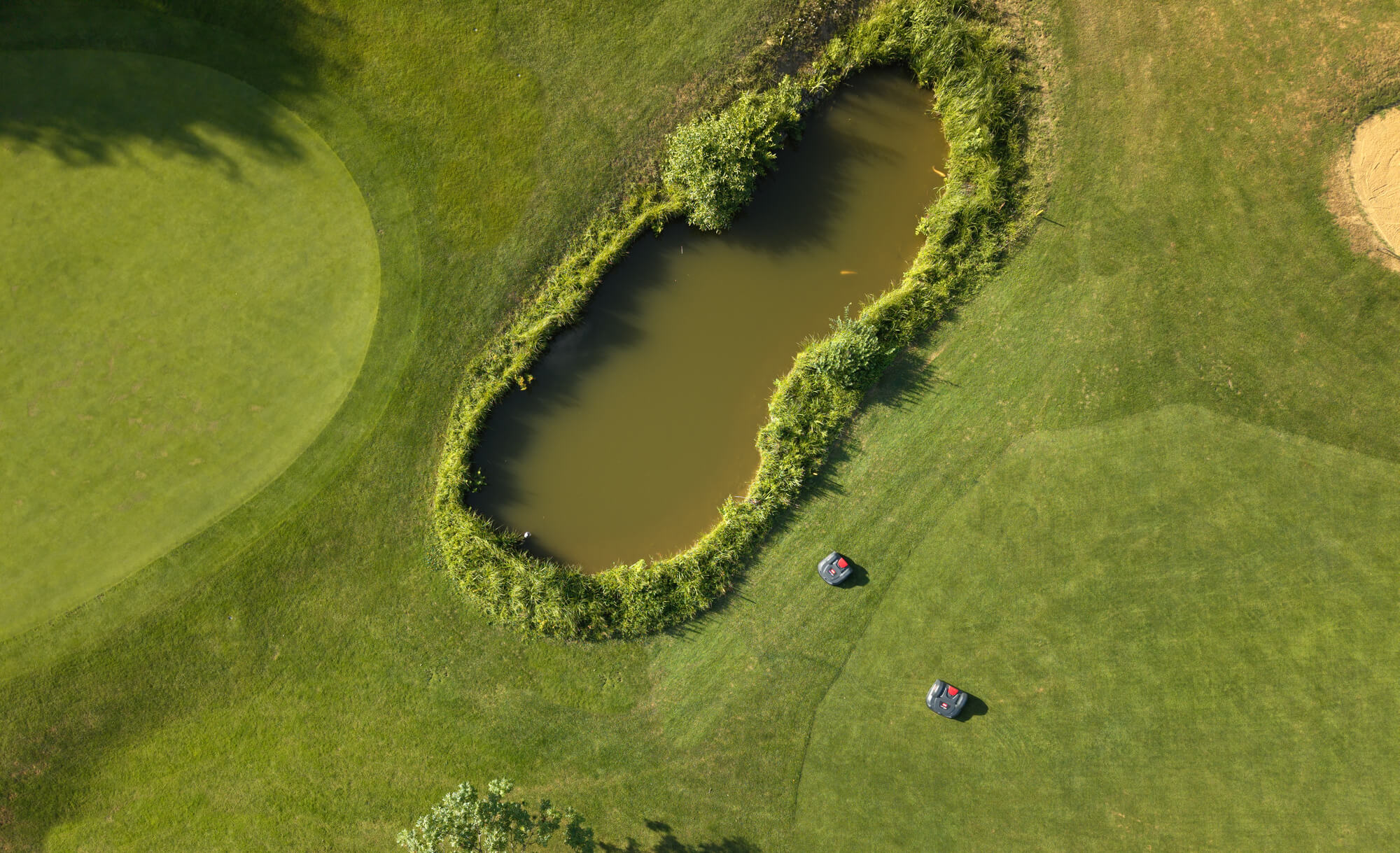
Most of the time, small adjustments make a big difference. That might mean slightly widening an access zone, tweaking a mower’s route to avoid trees and roots or, if your course is particularly undulating, selecting machines such as the Turf Pro 500S, which are designed to handle even steep inclines with ease.
Ultimately, introducing autonomous mowers doesn’t mean redesigning your golf course but ensuring that the technology and the landscape work together effectively.
Mistake #3: Underestimating how new mowing patterns affect the turf
Autonomous technology introduces a new mowing process. Rather than a single pass from a machine operated manually a certain number of times a week, a robot mower works continuously across multiple zones, maintaining the surface through frequent, light cuts.
This approach delivers a manicured, consistent finish, but it can also change the way organic matter accumulates in the sward. Because clippings are typically returned to the turf, clubs may see a gradual increase in organic matter levels if mowing schedules aren’t balanced with other maintenance practices.
Simple but effective ways clubs can deal with this change include:
- Monitor organic matter levels as part of regular testing
- Adjust your aeration, topdressing and turf rolling programme as needed
- Optimise mowing schedules to match grass growth conditions, reducing frequency when growth slows down
This means that, to maximise the benefits of autonomous mowing, your turf management strategy might need to evolve slightly: the key to success is recognising how autonomous machines will fit into the wider maintenance programme.
Mistake #4: Not communicating the change to members
Introducing an autonomous mower often represents a visible change to how a golf course operates. Members may notice machines working at different times of day or operating without a driver.
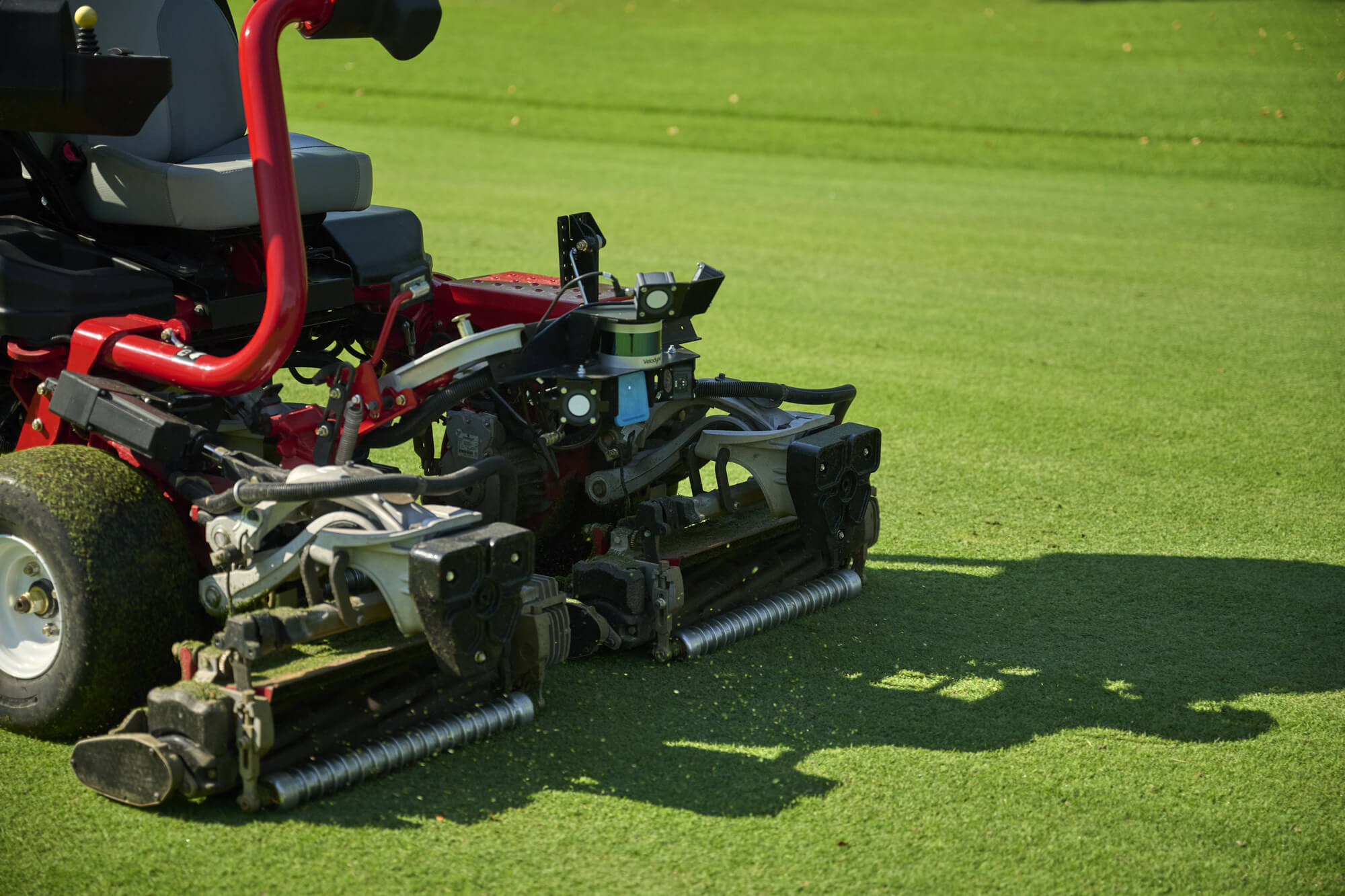
Without clear communication, this can sometimes create unnecessary concern or misunderstanding, even when the technology is improving course conditions. In a recent article, we addressed some common concerns about self-driving mowers, explaining how sophisticated LiDAR, Radar and Sonar sensors provide cutting-edge obstacle detection, making these mowers absolutely safe for people while also preventing damage to the machines.
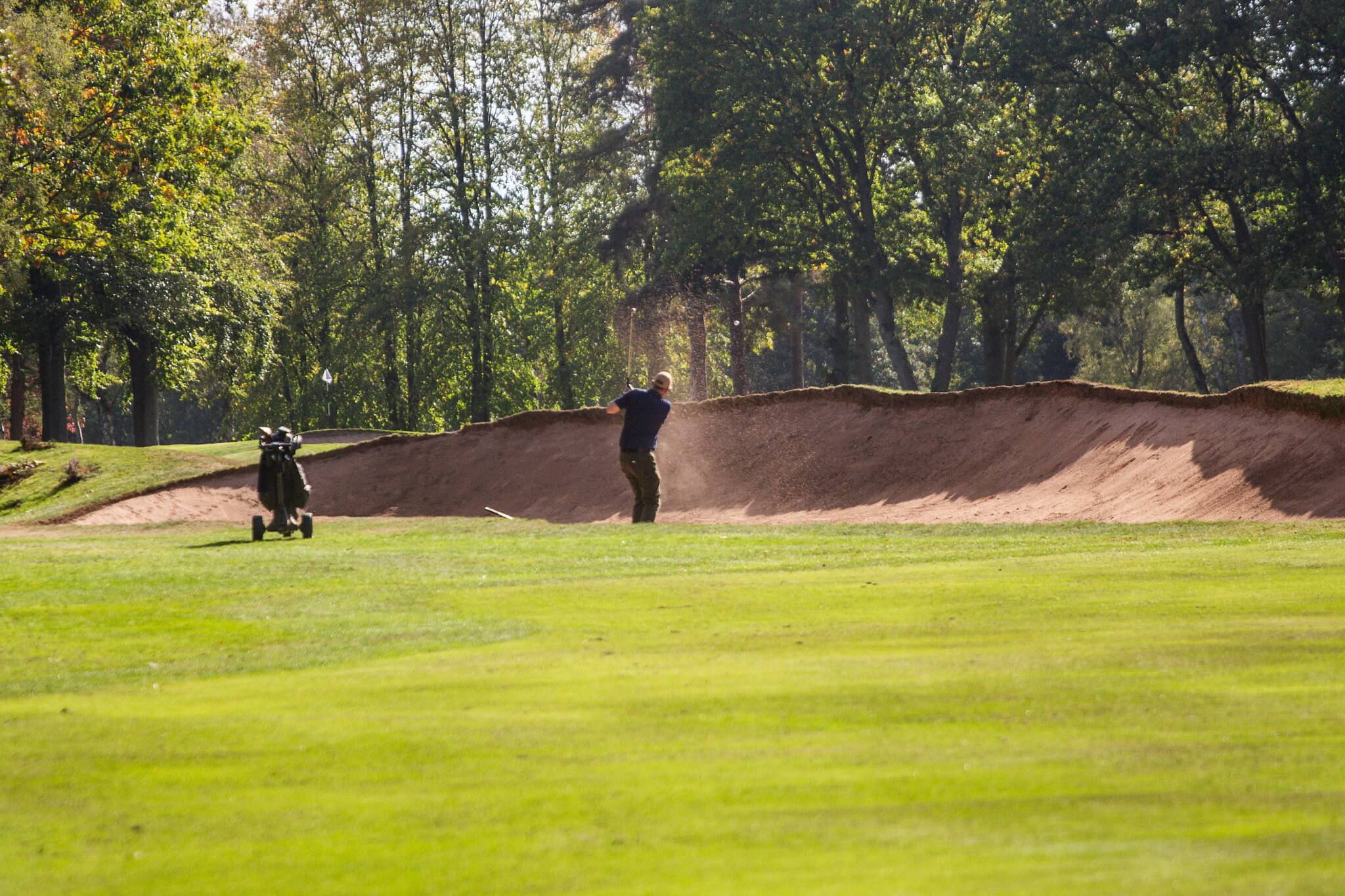
Clubs that introduce autonomous mowing successfully tend to involve members early, clearly explaining how these new models can benefit everyone, thanks to:
- More consistent fairway and roughs presentation
- Greater control over turf operations through remote monitoring
- Improved use of skilled greenkeeping staff
- Quieter (and more sustainable) hybrid or electric-powered operation
Once members realise that autonomous mowing allows the team to dedicate more time to detailed work – including bunker maintenance, course presentation and agronomy – initial concerns are usually replaced by excitement as they see this radically new technology at work around the course.
Mistake #5: Choosing mowers that don’t offer long-term support
Another mistake clubs sometimes make is focusing only on the robot mower itself, without considering the long-term support required to keep the system performing at its best.
While the mower does the cutting, the overall performance of the system also depends on how well it is configured, maintained and supported over time. This means that choosing the right partner can be just as important as choosing the right machine.
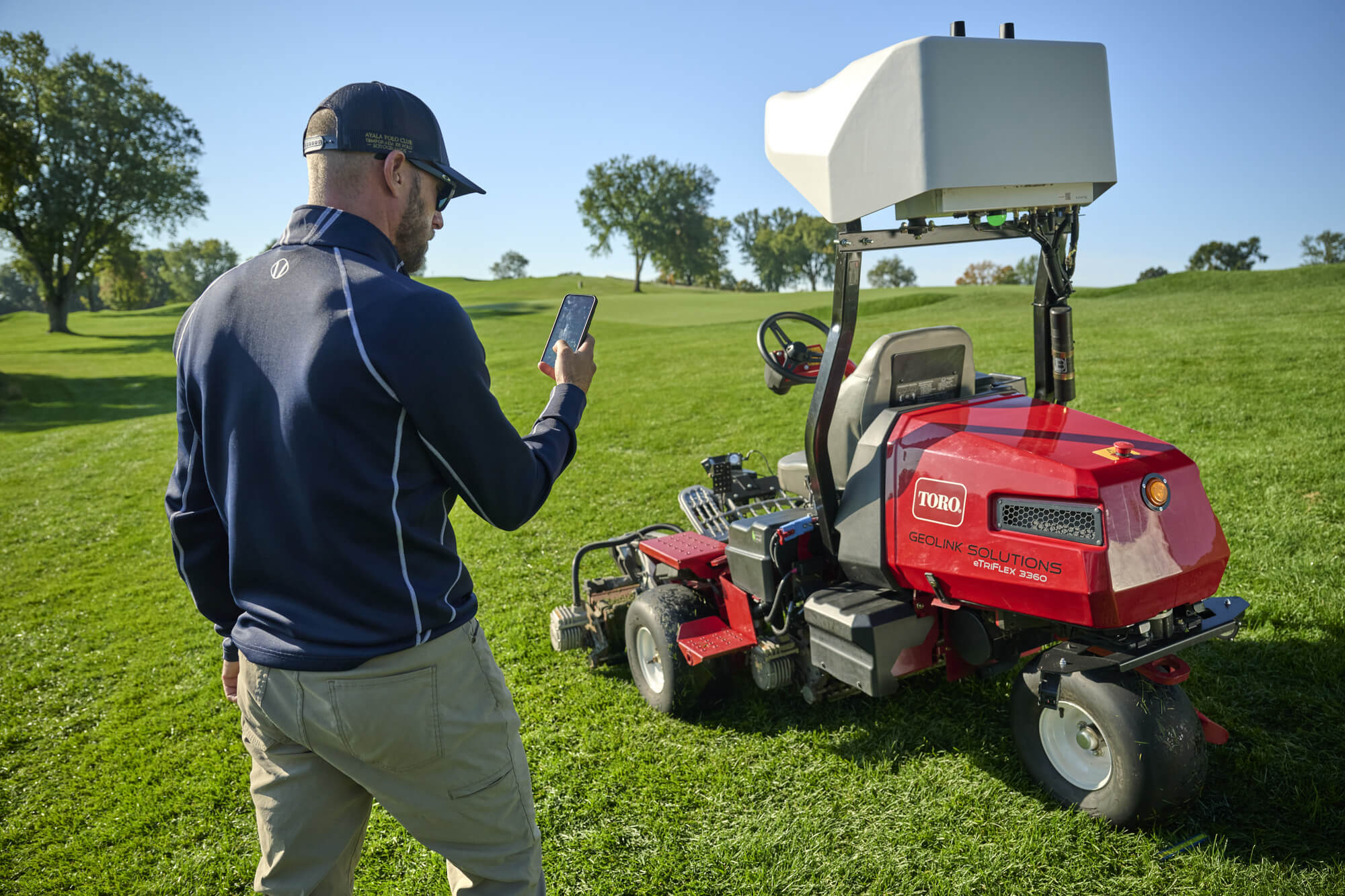
For instance, autonomous fairway mowers like the Toro Greensmaster eTriFlex 3360 with GeoLink Mow operate within a wider ecosystem that requires:
- RTK and GPS positioning technology
- Virtual mowing boundaries and course mapping
- Remote monitoring and diagnostics
- Genuine spare parts like cylinder blades and bedknives for optimal maintenance
As courses evolve with seasonal weather changes, new landscaping features, or cut adjustments to mowing areas, the system may need to be fine-tuned to ensure maximum efficiency.
Clubs that invest in autonomous mowing without access to ongoing expertise can find it harder to optimise this technology as course conditions change. That’s where working with experienced partners like Reesink and Toro makes a significant difference.
Your autonomous mowing journey with Toro and Reesink
For clubs facing labour challenges, rising expectations around course quality and increasing operational pressures, robot and autonomous fairway mowers offer a practical way to maintain high standards while using resources more efficiently.
The key is approaching the transition with the right planning and expertise. Through Toro and Reesink’s dealer network, clubs benefit from industry-leading knowledge built around professional turf machinery and connected technologies. From initial site assessment and mapping to training, setup and long-term optimisation, support is available throughout the lifecycle of the system.
Visit Reesink Turfcare to learn more about the benefits of Toro’s autonomous range, or get expert guidance from our product specialists by calling 01480 226800.