Autonomous and remote control mower safety: common myths and compelling benefits for groundscare
As technology evolves in groundscare, autonomous and remote control mowers continue to rise in popularity due to the compelling benefits they bring, particularly in terms of efficiency and flexibility. Once viewed as a niche solution, these machines are now proving their worth in real-world environments, offering a smarter way to manage some of the sector’s most challenging terrains.
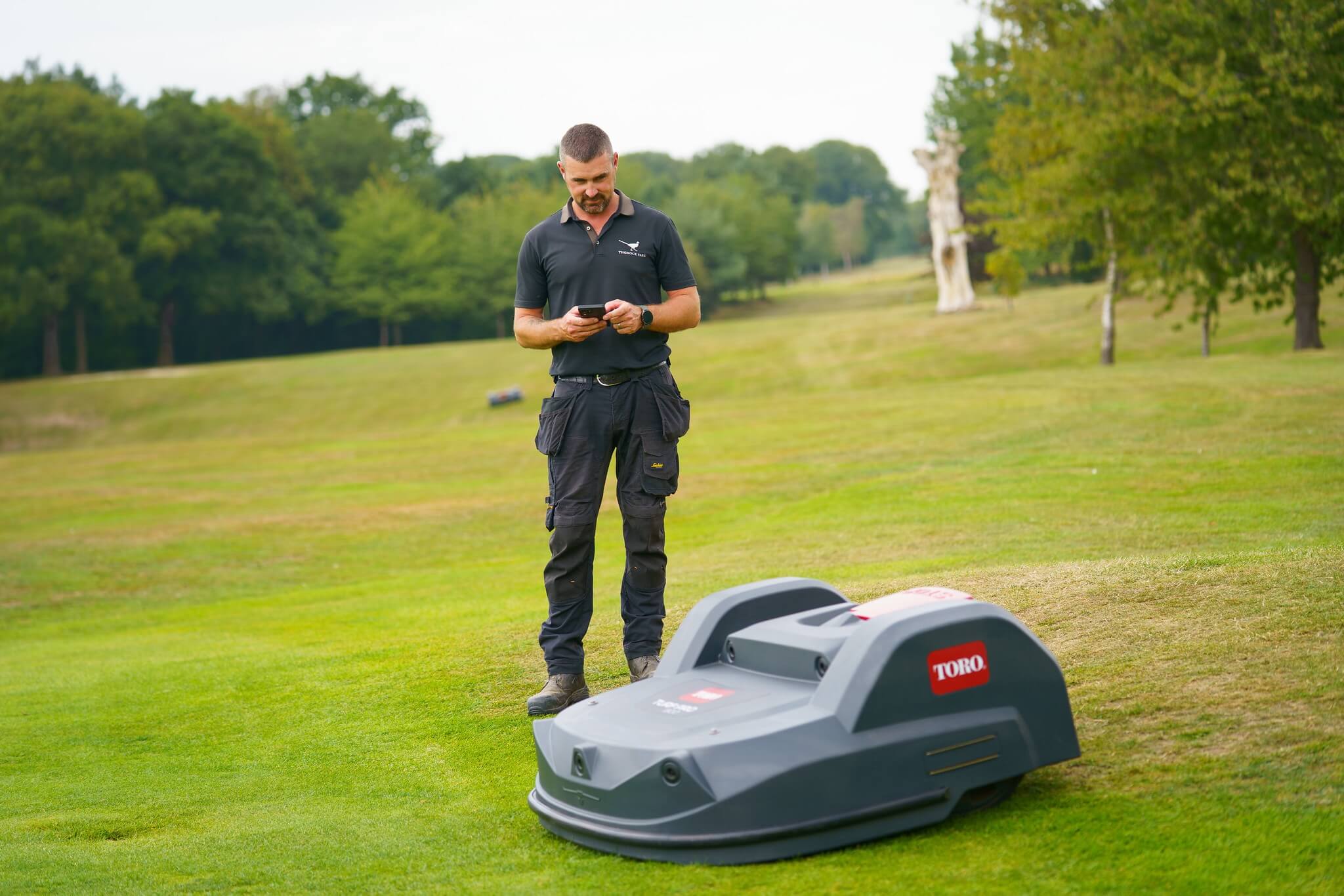
But what about safety? Are these mowers completely safe to operate, and can they improve the comfort and wellbeing of human users?
This article takes a closer look at how autonomous and remote controlled mowers work, the groundscare applications where they shine and how they help teams tackle tricky tasks without compromising on safety.
Answering common questions
Although still relatively new, autonomous and remote control mowers are becoming a valuable tool for professional turf management. Their design and functionality address common operational challenges; however, as with many emerging technologies, a number of misconceptions have developed around their capabilities and use.
How do autonomous and remote control mowers work?
Both share many of the same safety benefits, but the main difference lies in how they’re controlled.
Remote control mowers are exactly what they sound like: smart, capable mowing machines that can be operated from a distance, usually via a handheld remote controller that communicates with the machine through a GPS signal.
Autonomous mowers, such as the Toro Greensmaster eTriFlex 3360 with GeoLink Mow, are programmed with mowing boundaries in advance and then operate independently, using GPS guidance and sensors to navigate without continuous operator input – although supervision is still required, and users can still adjust mowing speed or manage cutting functions in real-time.
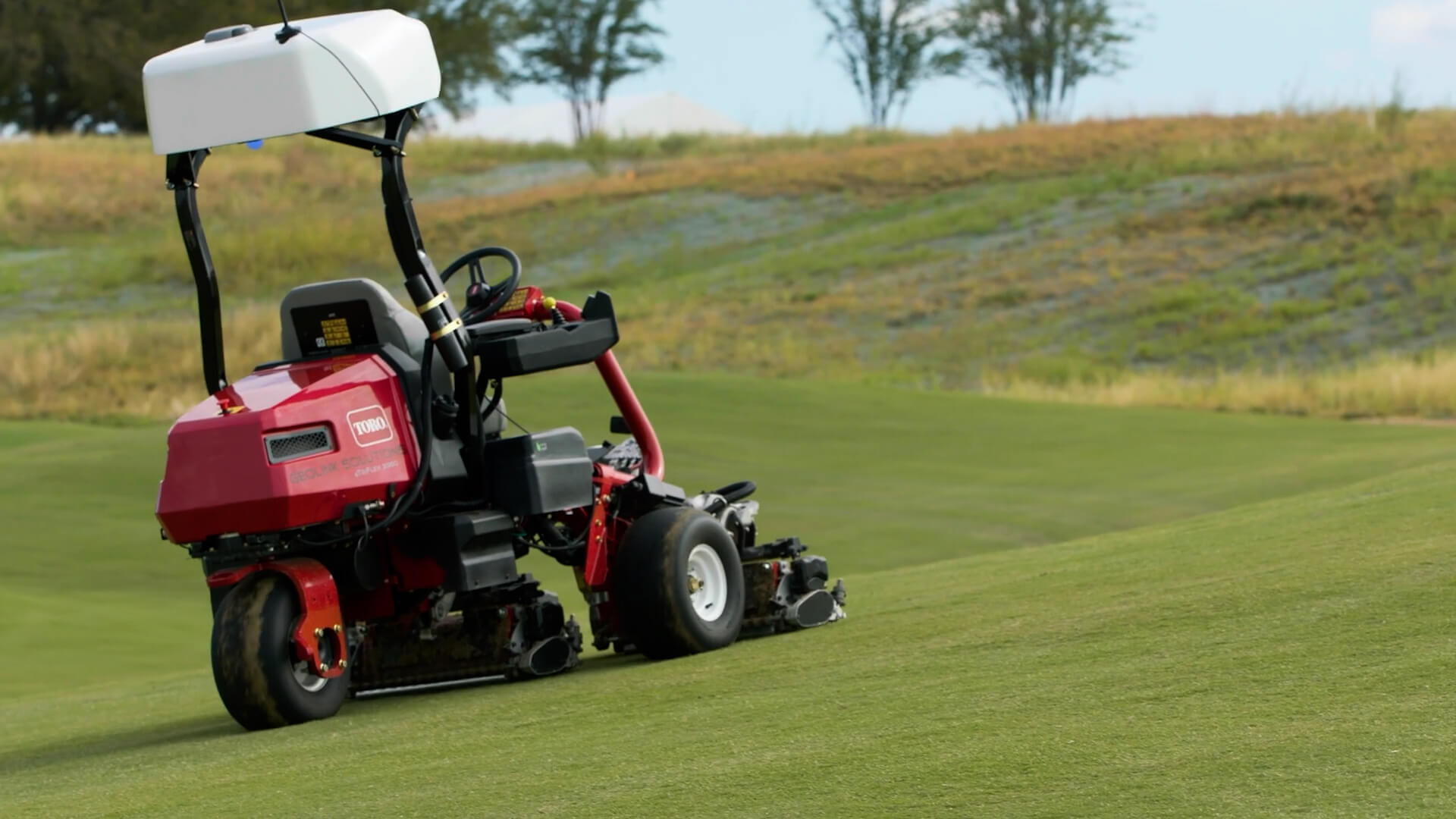
Toro makes all this possible, safe and remarkably easy thanks to its proprietary GeoLink Solutions technology, which works with RTK (Real Time Kinematic) positioning to deliver remote mowing that’s accurate to 2cm. To learn more about how it all works, read our guide to understanding GeoLink and RTK solutions.
What types of terrain are suitable for these mowers?
One of the biggest advantages of autonomous and remote controlled mowers is their ability to handle the kinds of terrain that would be unsafe or impractical for traditional ride-on or walk-behind machines. For example, steep embankments, ditches, roadsides, riverbanks or areas near cliffs.
These environments pose clear risks to operators, whether it’s the danger of tipping over, losing footing or dealing with limited escape routes. By keeping the operator at a safe distance remotely controlled mowers significantly reduce the risk of injury while still allowing these areas to be maintained to a high standard.
Can autonomous and remote control mowers handle steep slopes?
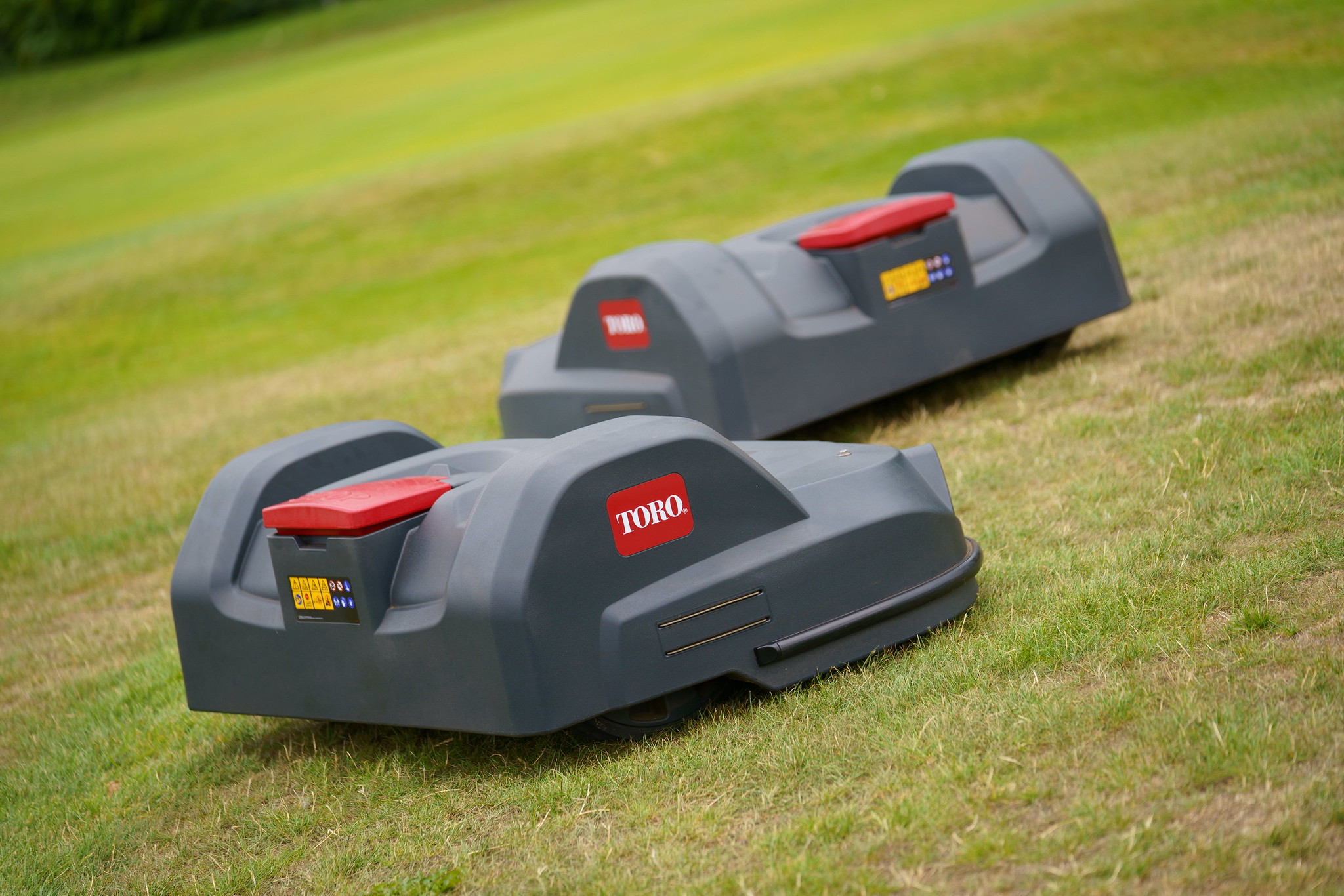
These modern machines are designed with stability in mind and can operate even on extreme gradients, depending on the manufacturer and model.
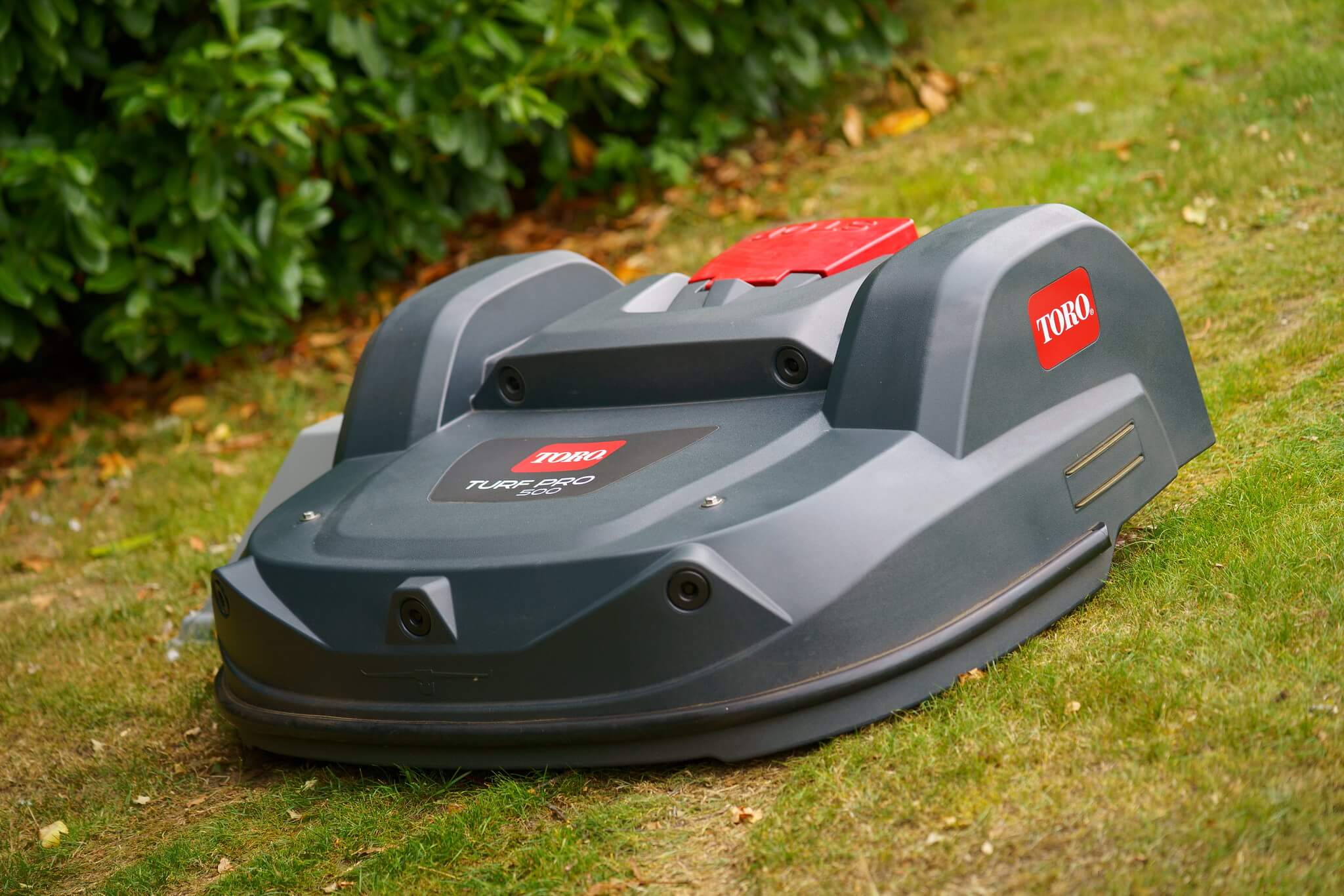
The Toro Turf Pro 500S, for instance, is an autonomous robot mower that can tackle 45 percent (24º) slopes with ease, providing a compelling solution for achieving an impeccable cut even in more challenging locations. Machines like these can be a game-changer for grounds teams looking to streamline operations on every terrain.
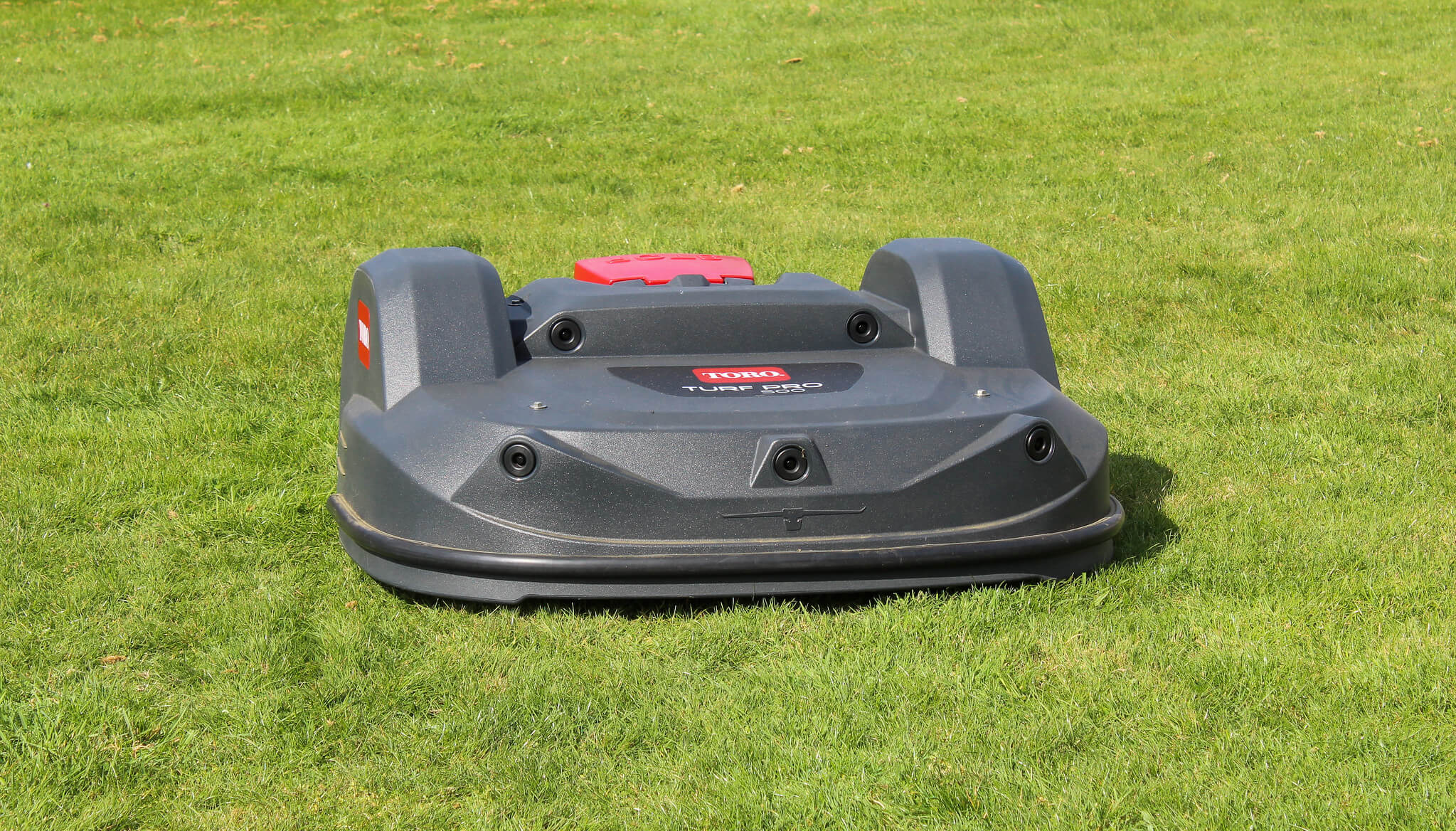
This means areas that were once too dangerous – or simply too time-consuming – to mow can now be managed quickly, efficiently and safely.
So, are autonomous and remote control mowers safe to use?
Yes, they are. When used correctly, these mowers offer safety benefits that traditional lawn mowers can hardly match – both in domestic and commercial settings.
They remove the operator from immediate physical hazards, and since these machines can be used from a standing position and don’t expose users to constant vibrations or awkward posture, they’re easier on the joints, spine and muscles. Over time, that means less fatigue and, potentially, fewer work-related injuries due to long-term strain on the body.
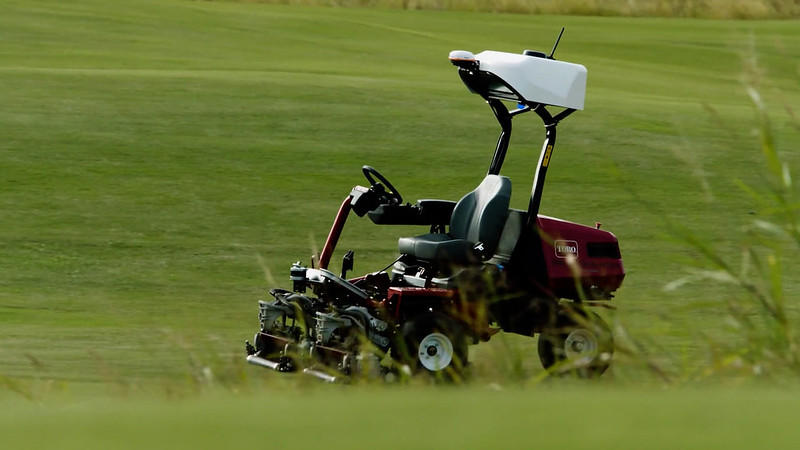
Modern solutions, packed with safety features
All this sounds great, but couldn’t these mowers accidentally collide with people or other obstacles on their path without constant human supervision?
The concern about accidents is understandable and justified, and that’s why both autonomous and remote mowers come with a range of safety-focused design elements. These usually include:
- Emergency stop buttons both on the machine and remote
- Auto shut-off if the connection is lost
- Low-noise battery or hybrid power to reduce disruption in sensitive areas
- Safety beacons and lights for visibility in busy environments
- Obstacle detection for safe, uninterrupted operation
For more information on how Toro ensures the safety of new autonomous mowers, check out our in-depth article.
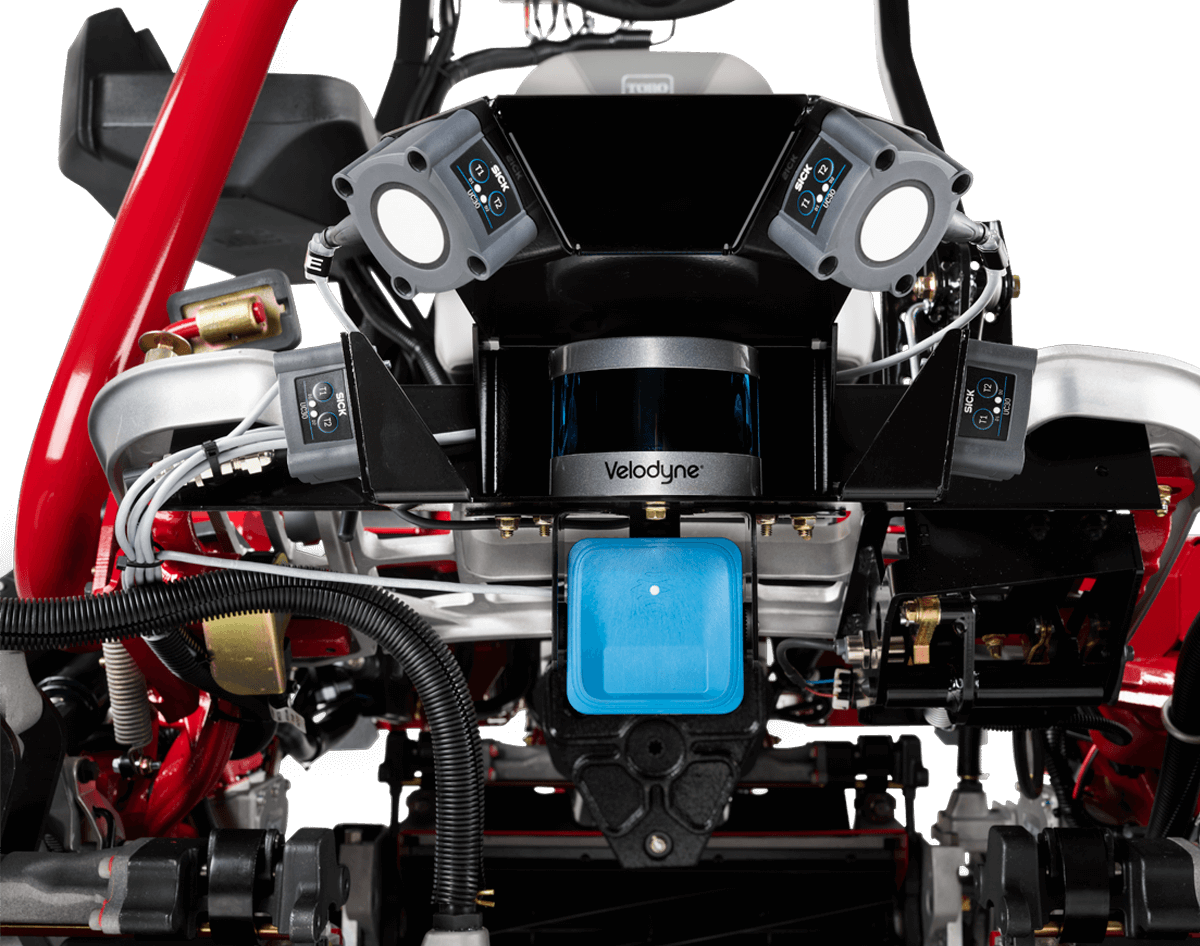
How safe remote mowers support grounds operations
The value of autonomous and remote control mowers isn’t just in their safety – it’s that they make tough jobs easier without compromising on the final mowing results. In fact, by allowing teams to mow dangerous or awkward spaces with greater confidence, these machines can actually improve the quality and consistency of groundscare maintenance.
Here’s a more detailed look at the safety benefits provided by these mowers:
- Keeping operators out of harm’s way. By working from a safe distance, operators avoid prolonged exposure to noise, vibration, exhaust fumes, dust and extreme weather conditions.
- Better health outcomes for grounds teams. By reducing fatigue, limiting exposure to vibration and removing the need to work in awkward positions, machine operators can enjoy better long-term health outcomes. That means happier, healthier teams and fewer days lost to injury or strain.
- Confident handling on slopes. With low-centre-of-gravity designs, these mowers hold steady on steep gradients or uneven ground, greatly reducing the chance of slips or rollovers.
- Navigating dense growth with ease. Thick vegetation and hidden debris can entangle or damage your machinery. Remote operation allows for careful, controlled manoeuvring around obstacles and, in the worst case, keeps users safely distant.
- Better visibility and awareness. Watching from afar makes it easier to monitor both the mower’s path and the surrounding environment, allowing for quick, informed adjustments.
Most importantly, whether it’s a high-speed roadside verge, a riverbank or the edge of a high cliff, autonomous and remote controlled machines mean you don’t have to send workers into risky environments just to keep them tidy. This reduces the need for road closures, specialist access equipment or complex safety measures.
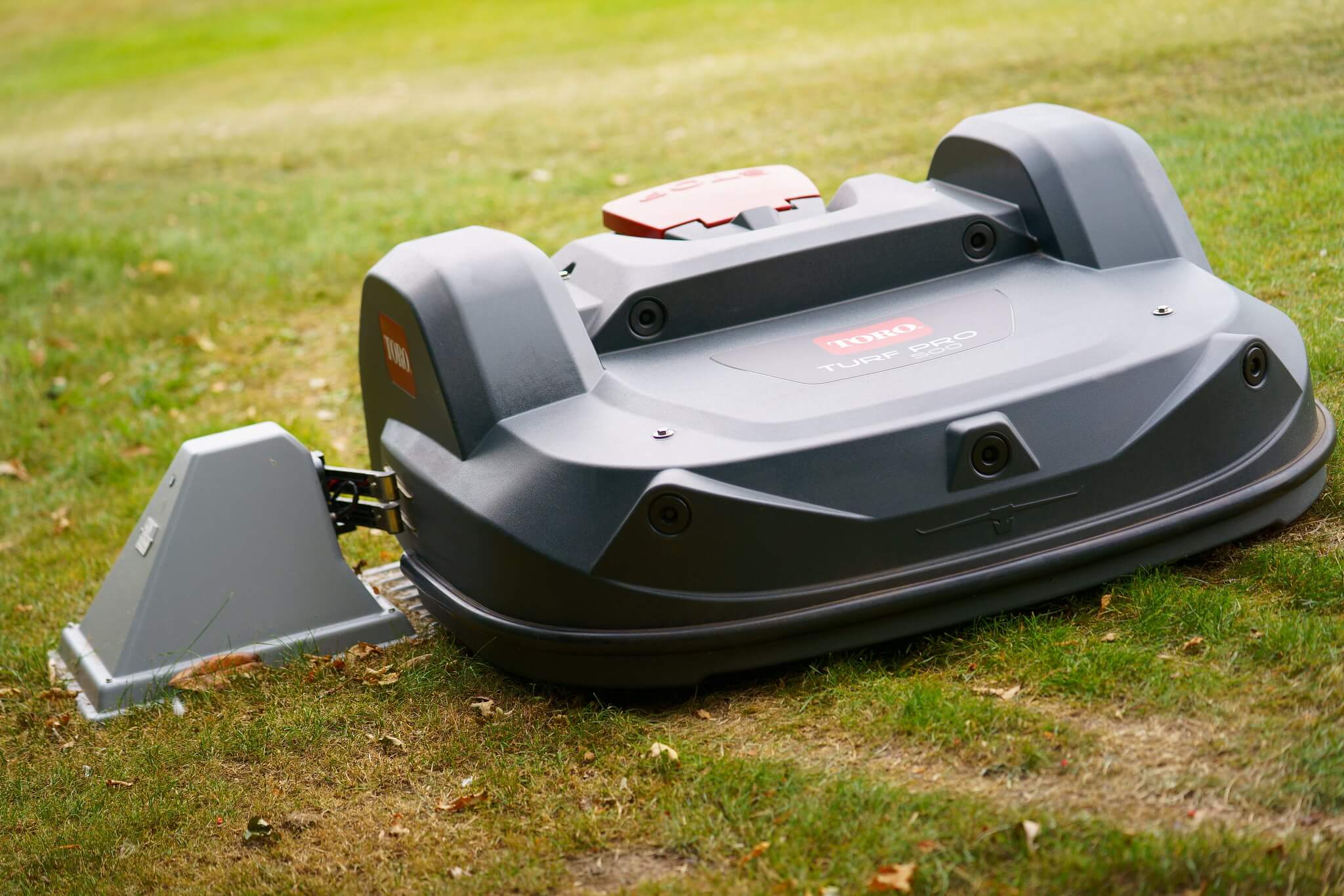
The right partner to start your remote mower journey
While learning to use this new technology in a safe and efficient way can be intimidating at first, making the move to autonomous mowing doesn’t have to be daunting. Whether you’re working with steep slopes, tight spots or high-risk zones, choosing the right partner makes all the difference.
As Toro’s sole distributor in the UK and a leader in the sector for over 60 years, Reesink Turfcare offers not only the right machine, but also training, support and advice tailored to your needs.
Call 01480 226800 or visit www.reesinkturfcare.co.uk today to find the right autonomous mowing solution to elevate safety and performance across your operations.