HOME GROWN
Toro Student Greenkeeper Award winner proves you don’t have to leave to grow
When Daniel Parker was named the Young Toro Student Greenkeeper of the Year in 2024, many assumed it would be the start of an immediate rise through the ranks and some assumed it could signal a club move. In Daniel’s case only one of those things happened and his story has become something far more powerful for the greenkeeping industry: proof that the biggest career leaps can happen by staying exactly where you are.
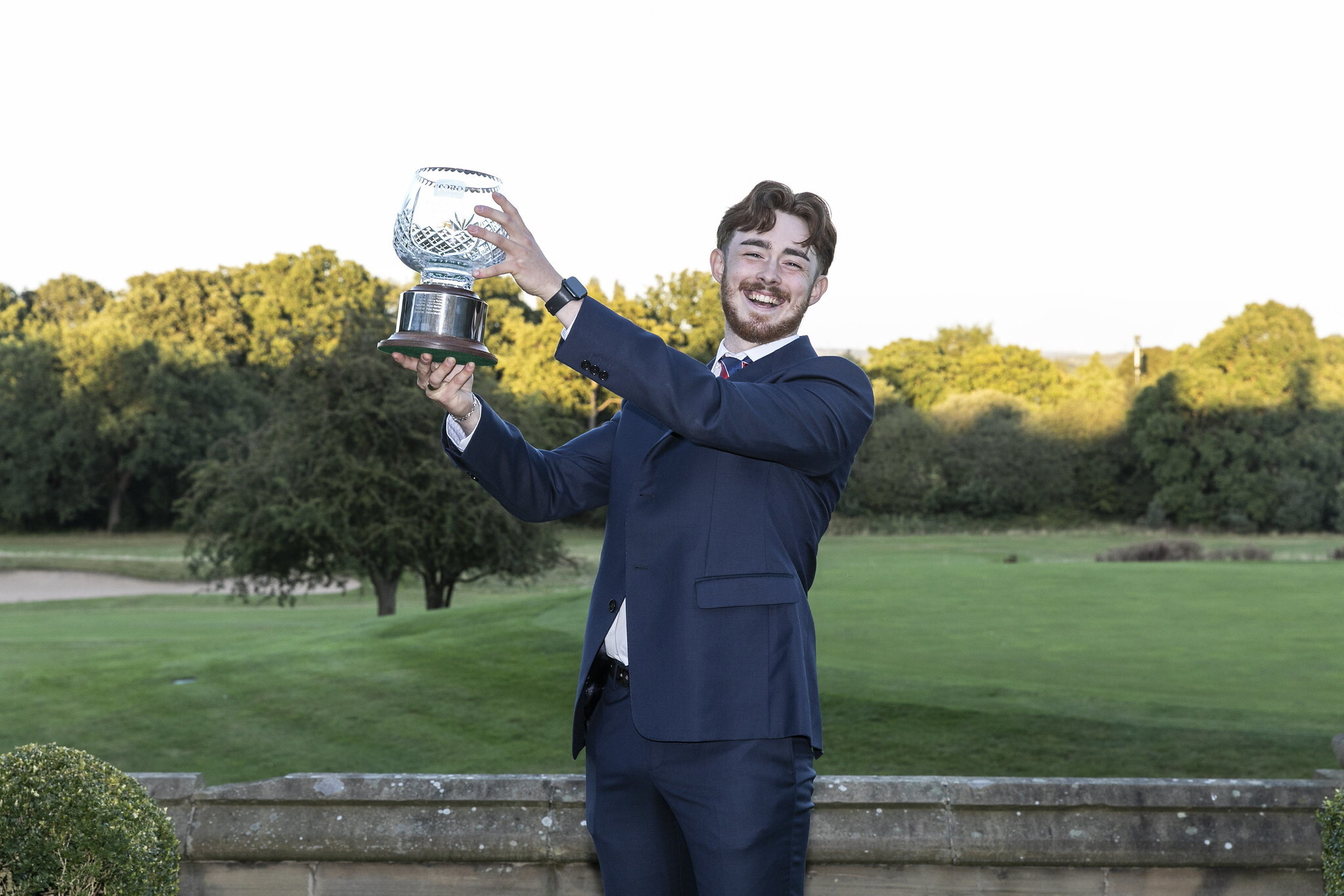
For Daniel, remaining at Knighton Heath Golf Club has been a conscious choice rooted in loyalty, opportunity and the chance to build a meaningful, long-term impact.
A career accelerated by recognition
Since winning the award, Daniel has experienced a year of standout moments. Two of those were as a result of winning the Toro Student Awards: as part of his prize he visited top golf clubs in France and the USA where he says he “gained valuable experience”. He was also invited to speak at the Young Greenkeepers Conference – something he says would never have happened without the competition.
“My confidence improved massively,” Daniel says.
But the most significant advancement has been closer to home. Since winning he’s been promoted to First Assistant. He says winning helped him “feel prepared to step into more responsibility.” The new role has allowed him to manage projects, lead staff and contribute to strategic decisions across the course, precisely the kind of experience that will shape him into a future course manager.
Why staying put was the right move
In an industry where ambitious greenkeepers often feel they need to move clubs to progress, Daniel’s choice to remain at Knighton Heath is a refreshing counter-narrative.
“I’ve stayed because of the support the club has given me,” he explains. “I could never have got to the finals, let alone won the Student Award, without everything the team has taught me. My course manager Graham Hastie and all of the other greenstaff have supported me the whole way through and were thrilled for me. They answer all the questions I pelt at them every day and have backed me through my NVQ level two and level three qualifications. I wanted to give something back.”
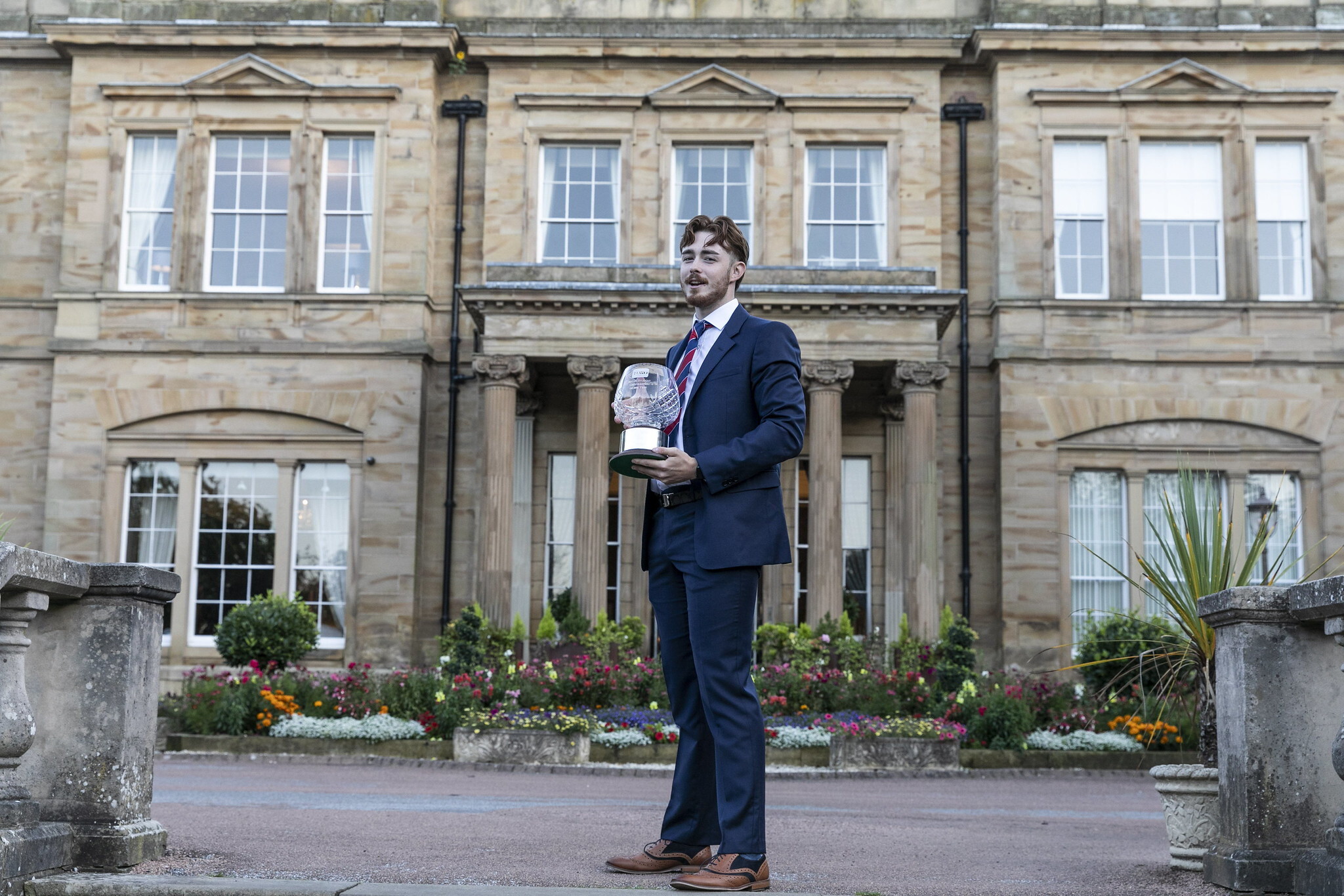
Knighton Heath, a small members’ club, has given Daniel opportunities he may not have received at a larger venue with a bigger team. He has played an active role in decision-making, from project planning and turf practices to drainage, bunker reshaping and irrigation work.
“I’ve gained so much experience here,” he says. “What I say is taken seriously. I’m involved in daily meetings with the course manager, discussing everything from cultural practices to competition setup. You just can’t buy that kind of exposure.”
It’s a win for the club, too
Daniel’s success hasn’t just accelerated his own career, it has shone a light on Knighton Heath as well.
His experiences abroad and at conferences have been fed directly back into the club, improving practices and broadening perspectives within the team. Recently, Daniel was even asked to write a full account of his year for the membership, showcasing the value winning the award has brought back to the course.
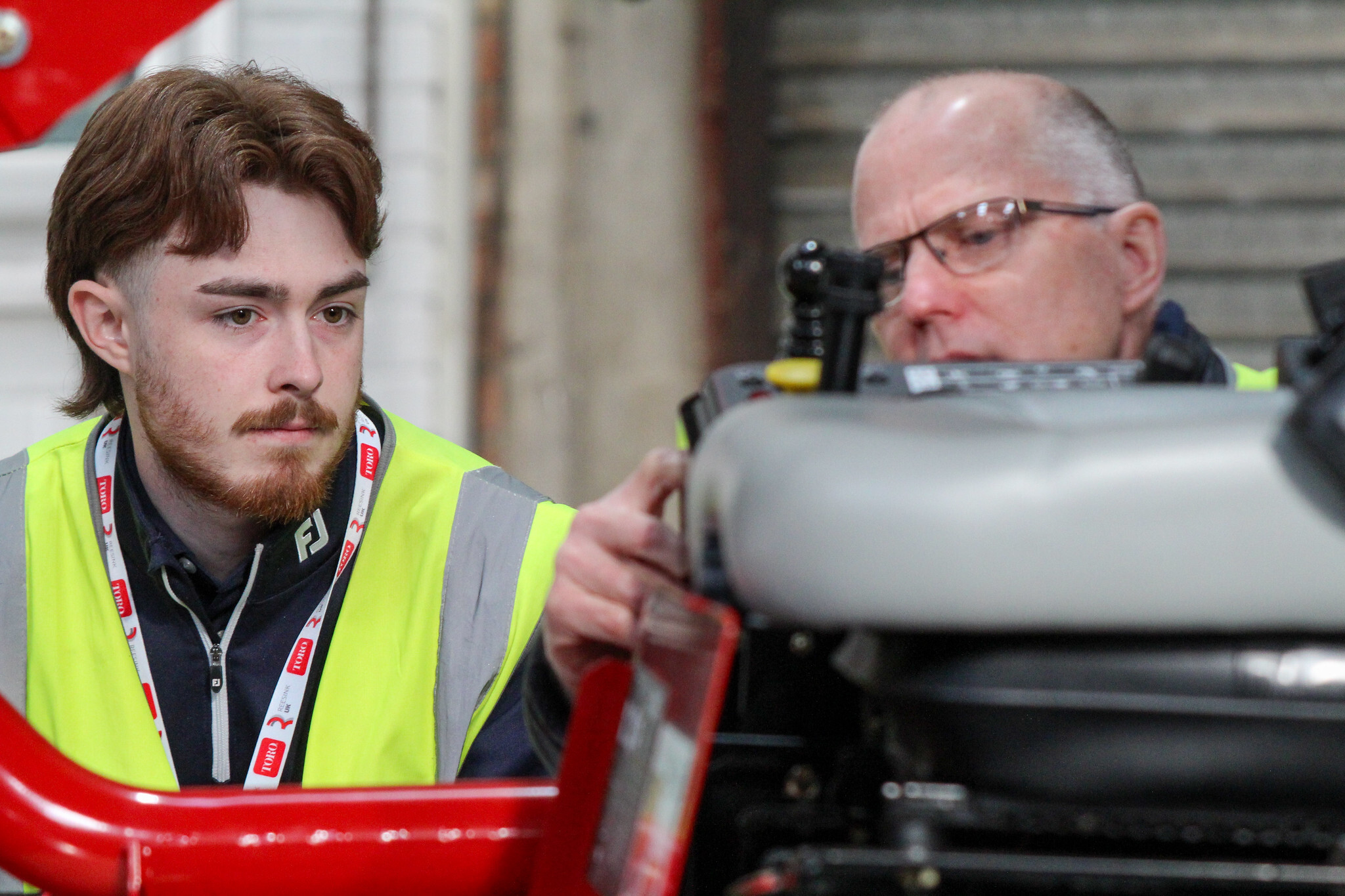
“It’s absolutely been an advantage for the club,” he says. “I’ve brought back ideas and insights that benefit everyone.”
The community of finalists: relationships that last
A much valued outcome of the competition has been the lasting friendships and professional connections formed with other finalists. The group remains in regular contact, celebrates each other’s achievements, and meets up at BTME each year.
“They’re contacts and friends I’ll have for the rest of my career,” Daniel says. “Whenever someone is promoted or has news, we always share it and everyone congratulates them. Seeing where everyone’s careers have gone is amazing.”
The road ahead
From day one, Daniel’s ambition has been to become a course manager and host major events. Winning the award hasn’t just confirmed that goal, it’s sharpened it.
He plans to pursue FTMI next and is keen to volunteer at tournaments worldwide to gain even more exposure to different turf types and high-pressure team environments.
“The award has given me focus,” he reflects. “It’s shown me that I’m on the right path.”
Why students should enter the awards
Daniel is clear: entering the awards is a “no-brainer.”
The application process was “really easy,” says Daniel. “It started with a small write up from me and my lecturer, who endorsed me, then there was an interview with BIGGA, Reesink and a course manager. That consisted of questions about health and safety, simple machine troubleshooting, cultural practices on the golf course and some personal questions. Soon after this I was told I had made it into the finals.”
The best bit of the process for Daniel were the finals. Despite being a little nervous when he arrived, he says that soon went away once he met the other finalists and the activities started. “We did clay pigeon shooting which was a really good way to get comfortable and speak to everyone. While there was a serious reason for us being there, it was a wonderful few days with like-minded individuals.”
If there are student greenkeepers reading this, Daniel’s advice is simple: “Just be yourself and enjoy the process. It’s a great chance to meet new people, trust in your knowledge and grow.”

A story to inspire course managers
Daniel’s journey demonstrates something invaluable: you don’t have to lose your rising stars to see them excel. With the right support, mentorship and opportunities, talented greenkeepers can progress, thrive and eventually lead, without having to leave the club that helped shape them.
His story is a testament to what happens when clubs invest in their staff – and what happens when staff choose to give back. “Winning is seen as an advantage by the whole club.”
For course managers sitting on the fence about nominating their team members, Daniel Parker’s experience says it all. Backing your greenkeepers doesn’t just build their careers – it strengthens your club.